






Published Wednesday, November 25, 2026 by Fairfield Furbabies
There is something wonderful about a dog that takes a genuine interest in your life. Some show it through quiet affection, a familiar greeting, or a favorite spot close to the family. Others seem fascinated by everything you do, from preparing breakfast to reaching for your shoes. The Mini Bernedoodle and Mini Aussiedoodle have plenty of that interest in common, but their personalities give everyday companionship two rather different flavors. And that's where this comparison gets interesting.
The Mini Bernedoodle is known for its affectionate nature, playful character, and substantial teddy-bear appearance. It has a lovely ability to participate in family activities while appreciating the quieter moments that fill an ordinary day. The Mini Aussiedoodle brings an alert, quick-thinking personality to the relationship, along with a particular enthusiasm for games, movement, and learning. Both are intelligent and deeply interested in their people, although the Mini Aussiedoodle tends to have a stronger appetite for structured activities and challenges. The difference is worth understanding because it can influence almost every part of your routine together.
There are physical differences to consider, too. A Mini Bernedoodle can be considerably larger than its name suggests, particularly in first-generation lines, while the Mini Aussiedoodle generally has a smaller and more agile build. Their coats also have distinct characteristics, from the Mini Bernedoodle's beautiful tricolor patterns to the Mini Aussiedoodle's striking merle markings and unusual eye colors. Grooming takes commitment with either breed, and neither should be chosen solely for its beautiful puppy coat. The best match is the dog whose needs, personality, and everyday habits suit the life you want to share.
Table of Contents
Mini Bernedoodle vs Mini Aussiedoodle Comparison Table
The Mini Bernedoodle and Mini Aussiedoodle share Poodle ancestry, but their other parent breeds contribute different characteristics to each cross. Mini Bernedoodles generally have a more substantial build and moderate exercise requirements, while Mini Aussiedoodles are known for their agility and enthusiasm for interactive activities. Coat textures and adult sizes vary within both breeds, so the figures below are useful guidelines rather than fixed expectations. The table offers a quick look at their characteristics before we explore the differences in greater detail.
| Characteristics | Mini Bernedoodle | Mini Aussiedoodle |
| Parent Breeds | Bernese Mountain Dog × Miniature Poodle | Mini Australian Shepherd × Miniature Poodle |
| Other Names | Miniature Bernedoodle, Mini Bernese Mountain Poo | Miniature Aussiedoodle, Mini Aussiepoo, Mini Aussiepoodle |
| Adult Weight | F1: Approximately 30–50 pounds; F1B: Approximately 20–30 pounds | Approximately 8–25 pounds in smaller lines; some adults are larger |
| Adult Height | Approximately 13–22 inches | Approximately 12–18 inches |
| Coat Type | Soft, straight to wavy or curly; frequently full and thick | Soft, straight to wavy or curly; variable texture and density |
| Hypoallergenic Qualities | Low-shedding potential, particularly in curlier coats; not allergen-free | Low-shedding potential; not allergen-free |
| Grooming Needs | Brush several times weekly or daily for longer coats; professional grooming approximately every 6–8 weeks | Brush several times weekly or daily for longer coats; professional grooming approximately every 6–8 weeks |
| Exercise Needs | Approximately 30–60 minutes daily | Approximately 60–90 minutes daily |
| Training | Intelligent, responsive, cooperative, sometimes independent; benefits from patient instruction | Highly intelligent, attentive, quick to learn; enjoys varied and interactive lessons |
| Colors | Black, white, rust, brown, cream, sable, apricot, and multicolored patterns | Blue merle, red merle, black, white, chocolate, cream, apricot, and tricolor patterns |
| Temperament | Affectionate, gentle, playful, sociable, loyal, sometimes spirited | Intelligent, energetic, alert, affectionate, responsive, playful |
| Best Fit | Families and individuals who enjoy an affectionate, substantial dog with moderate activity needs | Active individuals and families who enjoy training, outdoor activities, and frequent interaction |
Mini Bernedoodle vs Mini Aussiedoodle Overview
These two Doodle breeds developed during a period when dog lovers began taking a greater interest in companion crosses with distinctive personalities and appearances. Although they share the Poodle, the Mini Bernedoodle and Mini Aussiedoodle were developed from very different canine backgrounds. Their histories help explain the characteristics that people appreciate in them today, from the Mini Bernedoodle's affectionate nature to the Mini Aussiedoodle's impressive responsiveness. Both have established enthusiastic followings, although neither has the long, formally documented history of an established purebred dog.
Mini Bernedoodle History and Popularity
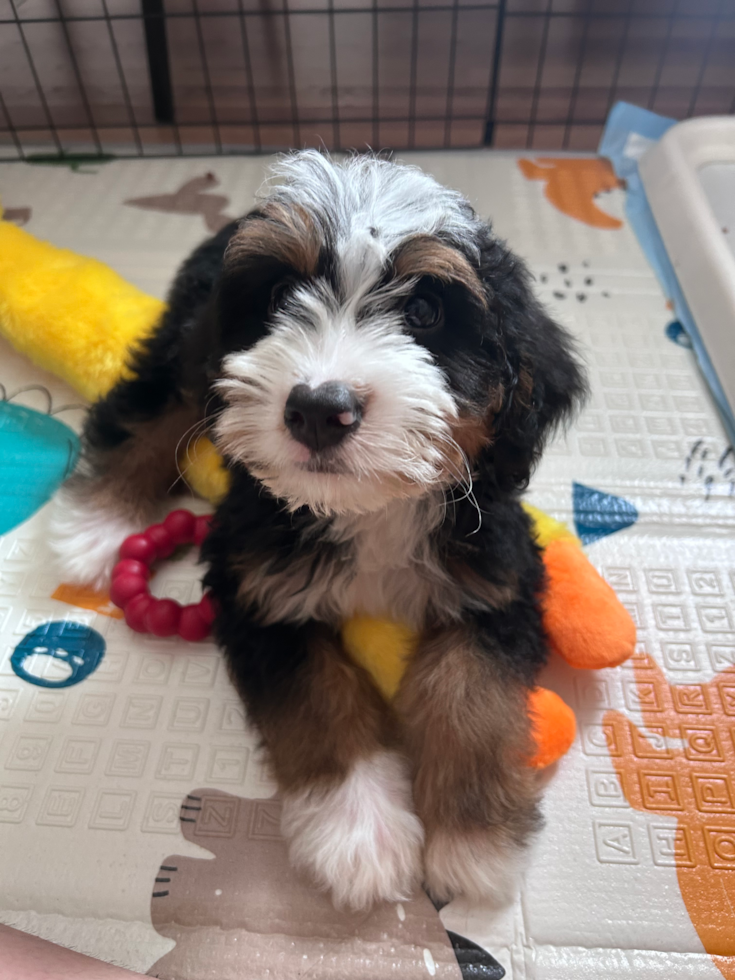
The Mini Bernedoodle belongs to the modern family of Bernedoodle crosses that gained popularity in North America during the early 2000s. The larger Bernedoodle attracted people who admired the Bernese Mountain Dog's affectionate, approachable nature but also appreciated the intelligence and coat characteristics of the Poodle. The Mini Bernedoodle introduced smaller Poodle lines to produce dogs with more manageable adult proportions. The result appealed to people who wanted the presence and personality of a substantial companion without necessarily choosing a very large dog. Over time, the Mini Bernedoodle developed a following of its own.
The breed's history is particularly interesting because the word "Mini" does not describe one consistent adult size. A first-generation Mini Bernedoodle comes from a Bernese Mountain Dog and Miniature Poodle, which can produce a noticeable difference in size between individual puppies. Later-generation crosses, including F1B Mini Bernedoodles, add further variety to the breed's appearance and proportions. The size of the dogs involved in a particular breeding also matters, so generation alone cannot promise a specific adult weight. This variety is part of the reason Mini Bernedoodles can look quite different from one another.
Their popularity has grown alongside an appreciation for affectionate dogs that enjoy family life. Mini Bernedoodles attract people who love their soft coats, expressive faces, and playful personalities, but their appeal extends beyond appearance. They can enjoy walks, games, attention from familiar people, and the comfortable routines that make a house feel like home. Their size gives them a noticeable physical presence, especially compared with smaller companion crosses. For people who enjoy a substantial dog with a warm, engaging personality, the Mini Bernedoodle has plenty to offer.
Mini Aussiedoodle History and Popularity
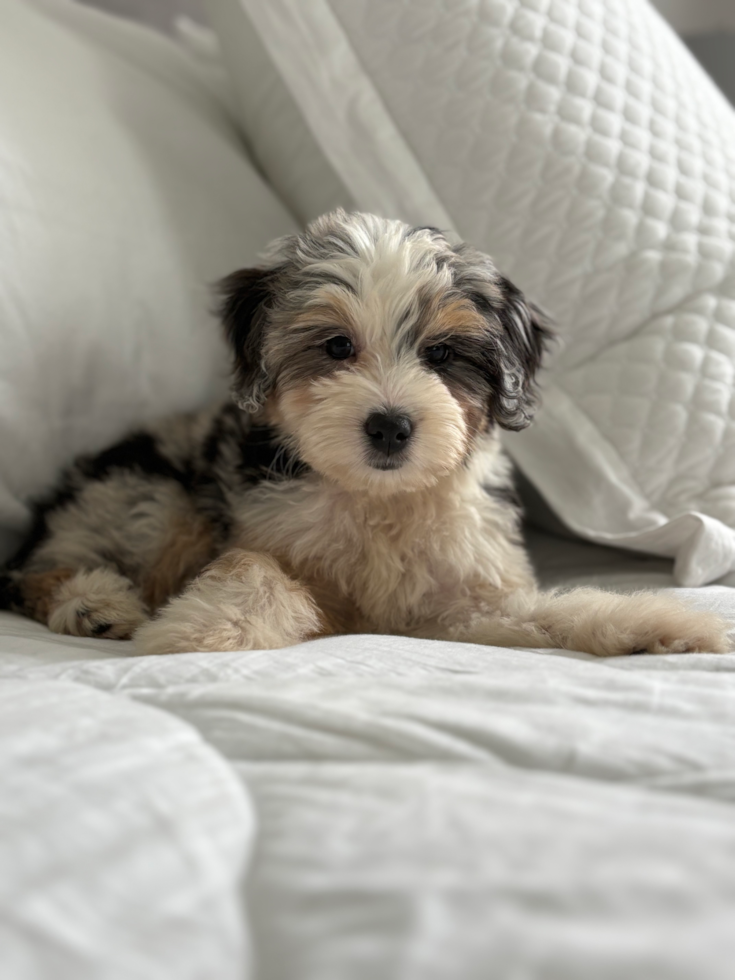
The Mini Aussiedoodle emerged from the growing interest in smaller, intelligent Poodle crosses during the late twentieth century and early 2000s. It combines the Mini Aussie, a compact herding-type dog developed from smaller Australian Shepherd lines, with the Miniature Poodle. Unlike some older breeds, the Mini Aussiedoodle has no universally documented founding date or single recognized creator. Its identity developed through the qualities people appreciated in the cross, particularly intelligence, trainability, agility, and close interaction with humans. Those characteristics helped it attract attention among people who wanted a smaller dog with an active personality.
The Mini Aussiedoodle gained a following among individuals and families who enjoy doing things with their dogs. Its manageable size made it appealing to people who wanted an enthusiastic companion for walks, games, training, and outdoor activities without choosing a much larger breed. The Mini Aussiedoodle also appealed to people who appreciated the attentiveness associated with herding dogs. Many enjoy activities that involve responding to cues, learning routines, and participating closely with their owners. That interest in shared activity helped distinguish the breed from companion crosses with more moderate daily demands.
Appearance has contributed considerably to the Mini Aussiedoodle's popularity as well. Its coat can display beautiful merle patterns, contrasting colors, and striking eye shades that attract immediate attention. Yet beneath those attractive features is a dog with a personality that deserves just as much consideration. A Mini Aussiedoodle can be a wonderful companion for someone who enjoys regular interaction and appreciates a dog that is quick to notice changes in its surroundings. Its popularity reflects that combination of visual appeal, intelligence, affection, and enthusiasm for everyday life.
Mini Bernedoodle vs Mini Aussiedoodle Appearance
The Mini Bernedoodle and Mini Aussiedoodle have beautiful coats and expressive features, but their natural proportions give them quite different appearances. A fluffy haircut can conceal those differences, especially when both dogs have rounded faces and long hair around their legs. Their body structure, coat markings, and facial features offer a clearer distinction. Adult size is also important because a Mini Bernedoodle can have considerably more physical substance than a Mini Aussiedoodle, even when the two stand at similar heights.
Mini Bernedoodle Appearance
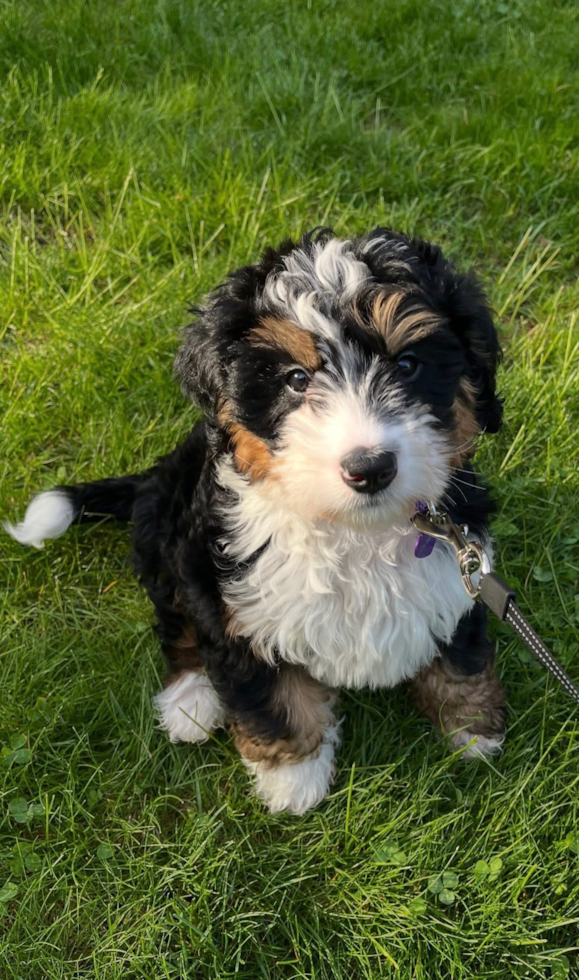
The Mini Bernedoodle has a substantial, well-proportioned build that gives it an appealing sense of sturdiness. Adults vary considerably in size, with Fairfield Furbabies listing approximately 30 to 50 pounds for F1 Mini Bernedoodles and 20 to 30 pounds for F1B dogs. Height commonly falls between 13 and 22 inches, although individual measurements can differ. Their bodies frequently have a broad chest, solid legs, and a balanced outline that looks particularly impressive beneath a shorter haircut. Even smaller Mini Bernedoodles can have a surprisingly substantial frame compared with delicate toy-sized companions.
The coat is one of the Mini Bernedoodle's most recognizable features, especially when it displays the classic black, white, and rust markings associated with the breed. Some dogs have beautiful white blazes along the face, dark patches around the eyes, and warm rust-colored accents above the eyebrows or along the legs. Others have softer color combinations, including brown, cream, sable, apricot, and black-and-white patterns. Their hair can fall in loose waves, develop soft curls, or have a thicker texture that creates considerable volume around the body. These differences make each Mini Bernedoodle visually distinctive, even among dogs with similar coloring.
Mini Bernedoodles commonly have dark, expressive eyes and ears that hang beside the face. Their muzzles are generally well defined, although a full coat around the cheeks and chin can give the face a rounded appearance. A longer haircut creates a particularly plush silhouette, while a shorter trim reveals more of the dog's natural structure. The tail commonly carries a soft covering of hair and adds to the breed's balanced appearance. A well-groomed adult Mini Bernedoodle can look wonderfully different from the little puppy that first arrived home, especially as its coat develops more length and texture.
Maintaining that beautiful coat requires regular attention, particularly when the hair is thick or curly. A Mini Bernedoodle has a larger surface area to brush than many smaller Doodle breeds, which can make grooming sessions more time-consuming. The hair behind the ears, beneath the front legs, and around areas where a harness rests deserves particular attention because tangles can develop beneath the outer coat. Brushing several times weekly is important, and longer or denser coats may need daily care. Professional grooming approximately every six to eight weeks helps keep the coat at a practical length and allows owners to enjoy their preferred style without excessive maintenance at home.
Mini Aussiedoodle Appearance
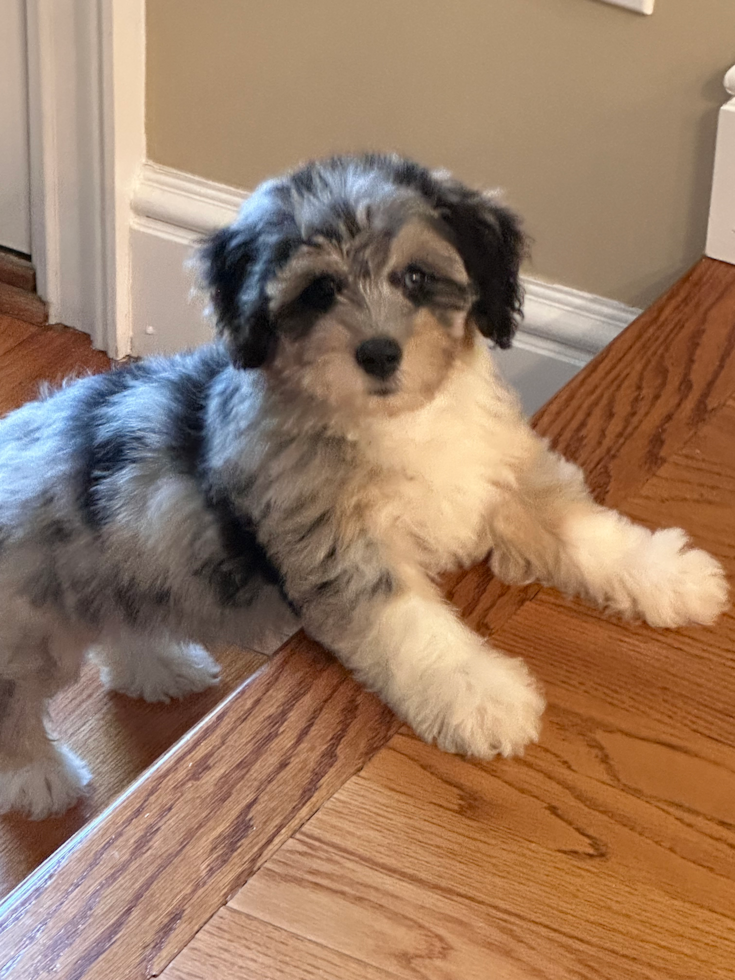
Mini Aussiedoodles have an attractive, athletic appearance that reflects their lively movement and balanced proportions. Fairfield Furbabies lists adult weights of approximately 8 to 25 pounds for its smaller Mini Aussiedoodle lines, although some adults grow beyond that range. Their height commonly falls between 12 and 18 inches, with a body that can look relatively light and agile beneath the coat. The legs are well proportioned, the chest is usually less substantial than that of a larger Mini Bernedoodle, and the overall outline suggests a dog that moves with ease. Their size gives them a compact presence without necessarily making them delicate.
The Mini Aussiedoodle's coat offers an impressive variety of colors and patterns. Blue merle dogs can display beautiful combinations of gray, black, and white, while red merle coats feature warmer shades of brown, copper, and cream. Solid and multicolored coats also occur, including black, chocolate, apricot, cream, and tricolor combinations. Some dogs have striking markings across the face or chest, while others display a more even distribution of color. These patterns can create very different appearances among puppies from the same cross, which is part of the Mini Aussiedoodle's visual appeal.
Their eyes contribute considerably to the breed's expressive appearance. Brown eyes are common, but blue, amber, and differently colored eyes are also possible, particularly in dogs with merle markings. Mini Aussiedoodles usually have ears that fold beside the head and a defined muzzle that creates an alert, attractive expression. Some have a longer, narrower face, while others develop a fuller appearance beneath their facial hair. A shorter haircut can emphasize their natural features, while a longer coat gives them the soft, fluffy appearance that many Doodle enthusiasts love.
The Mini Aussiedoodle coat varies from relaxed waves to tighter curls, with differences in density that influence daily grooming. Some dogs have a relatively loose texture that is straightforward to brush, while others have thicker hair that tangles more easily. Hair around the legs and chest can collect small pieces of grass or leaves after outdoor activities, so a quick check after playtime is useful. Brushing several times weekly and arranging professional trims approximately every six to eight weeks provide a practical starting routine. A short, tidy haircut can be particularly convenient for owners whose Mini Aussiedoodles enjoy frequent outdoor adventures.
Mini Bernedoodle vs Mini Aussiedoodle Appearance Comparison
The most meaningful physical difference between these breeds is their build rather than their height alone. A Mini Bernedoodle can have considerably more body weight and a broader frame than a Mini Aussiedoodle of similar height. That extra substance is noticeable when lifting the dog into a car, helping it onto a grooming table, or simply sharing space on a crowded couch. A Mini Aussiedoodle tends to have a lighter, more agile outline that many owners appreciate for travel and active outings. Of course, their sizes overlap, so adult measurements offer more useful guidance than assumptions based on the word "Mini."
Their coat colors create another interesting difference. Mini Bernedoodles are especially recognizable for their black, white, and rust tricolor patterns, although their coloring is far more varied than that familiar appearance suggests. Mini Aussiedoodles are closely associated with merle patterns and unusual eye colors, but solid coats and simpler markings are also part of the breed's variety. Neither breed has a guaranteed appearance, and an adult coat can differ noticeably from the puppy coat. For someone who appreciates distinctive colors, both offer plenty of possibilities without looking identical.
Grooming is an important practical consideration because both breeds require a real commitment to coat care. A large Mini Bernedoodle with dense curls may take longer to brush simply because there is more hair to maintain. A smaller Mini Aussiedoodle can require equally careful attention if its coat has a texture that tangles easily. Professional grooming is an ongoing expense for either dog, and a low-shedding coat does not remove the need for regular brushing. The best approach is to choose a haircut and grooming schedule that suit your routine rather than trying to maintain a particularly elaborate style throughout the year.
Mini Bernedoodle vs Mini Aussiedoodle Temperament
The personalities of these two breeds are wonderfully engaging, although they have different ways of expressing their interest in family life. The Mini Bernedoodle tends to approach companionship with an affectionate, sociable nature that can make ordinary routines particularly enjoyable. The Mini Aussiedoodle brings greater attentiveness to movement and activity, with an enthusiasm for learning that appeals to people who enjoy regular interaction. Both have playful sides, and neither should be reduced to a simple label such as calm or energetic. The most revealing differences appear in how they play, learn, respond to their surroundings, and spend time with their families.
Mini Bernedoodle Temperament
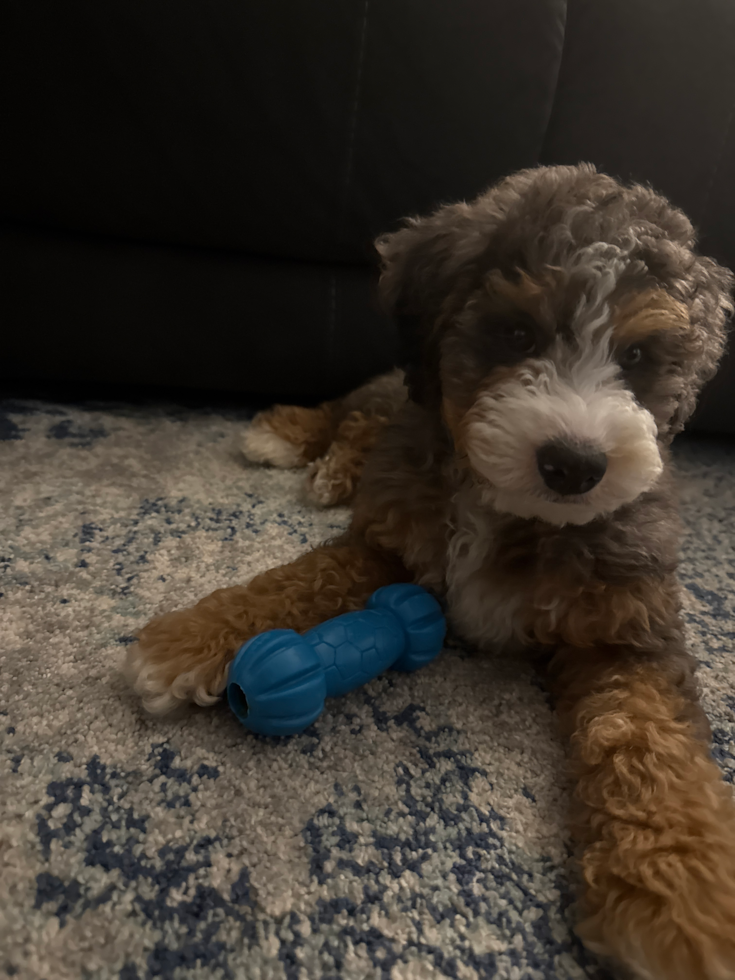
The Mini Bernedoodle has an affectionate personality that gives it a lovely presence in the home. Many enjoy being near their families and take a genuine interest in the people who share their daily routines. A Mini Bernedoodle might greet someone with enthusiasm, investigate a favorite toy, or settle comfortably nearby while the household carries on with ordinary activities. Its affectionate nature can be particularly appealing to people who enjoy a dog that participates in family life without needing every interaction to have a specific purpose. There is a pleasant warmth to the breed's typical temperament, although individual dogs express that affection in their own ways.
Mini Bernedoodles also have a wonderfully playful side that deserves attention. They can be enthusiastic about games, enjoy an opportunity to explore the yard, and show impressive excitement when someone suggests an outing. Puppies in particular may have moments of considerable energy, complete with enthusiastic greetings and occasional bursts of mischievous behavior. That youthful enthusiasm is worth remembering because a Mini Bernedoodle is a substantial dog, and even friendly excitement can create a little chaos when manners have not yet been established. Teaching polite greetings and calm behavior early helps the dog's affectionate personality shine without the occasional accidental collision.
Training a Mini Bernedoodle can be enjoyable because these dogs are intelligent and capable of understanding household expectations. Many respond well to praise, food rewards, and patient instruction, especially when lessons are introduced as pleasant interactions with familiar people. Some individuals have a slightly independent streak and may need encouragement when a task is unfamiliar or less interesting than the activity around them. This is where consistency matters, since a dog that understands what earns a reward has a much clearer reason to cooperate. Short sessions that build on familiar skills help develop confidence and good manners without turning every day into a formal training schedule.
The Mini Bernedoodle's social nature can make it an appealing companion in homes where family members enjoy spending time together. Many are friendly with visitors and appreciate gentle attention from people they know, although some prefer to observe unfamiliar situations before approaching. Their behavior around children and other pets depends on individual temperament, early experiences, and the way introductions take place. A dog that enjoys affection still needs opportunities to rest without interruption, particularly in a busy family home. Teaching everyone to respect those boundaries helps create the comfortable, trusting relationship that makes living with a Mini Bernedoodle so rewarding.
Daily exercise is important, but many Mini Bernedoodles enjoy a manageable balance between activity and quieter companionship. Approximately 30 to 60 minutes of walks and play can suit many adults, although energetic individuals may appreciate more. A walk through the neighborhood, a little outdoor play, and some simple training can provide an enjoyable routine without demanding an especially athletic lifestyle. Some Mini Bernedoodles are enthusiastic hikers and playful adventurers, while others prefer familiar outings at a comfortable pace. What matters is finding a rhythm that allows the individual dog to enjoy movement, attention, and relaxed time at home.
Mini Aussiedoodle Temperament
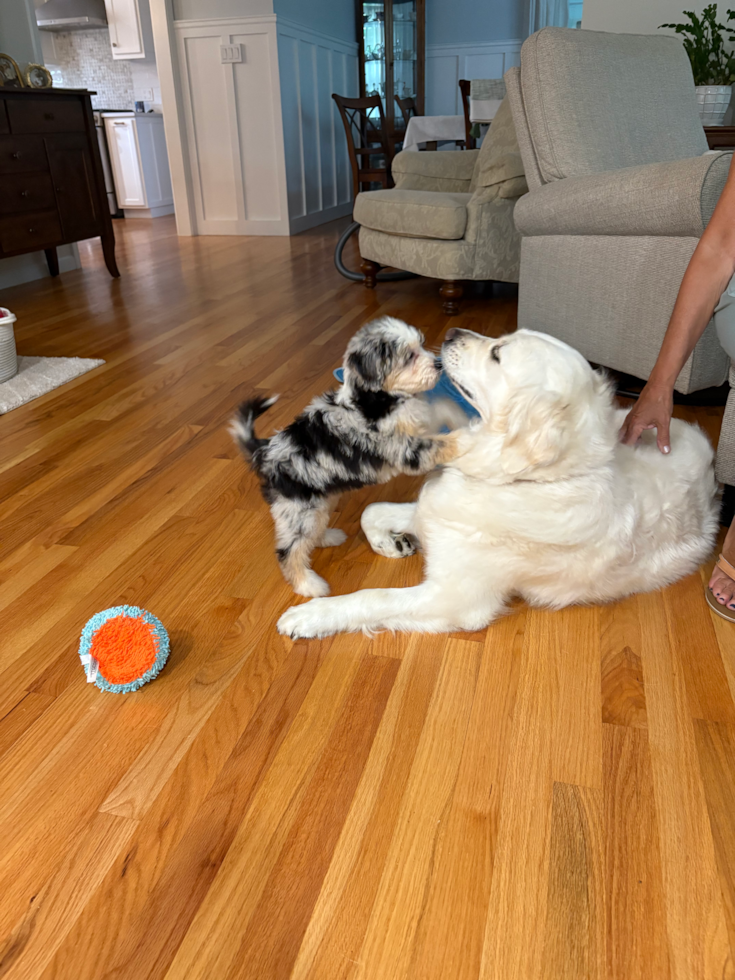
The Mini Aussiedoodle has a lively, observant personality that can make everyday interaction particularly entertaining. Many seem interested in the small details of household life, from the sounds that announce an approaching visitor to the familiar gestures that precede a walk. Their intelligence gives them an impressive ability to recognize patterns and respond to cues, especially when those cues are part of regular activities. A Mini Aussiedoodle may notice that you've picked up a favorite toy before you've even invited it to play. That attentiveness is part of the breed's appeal, particularly for owners who enjoy an interactive relationship with their dog.
Mini Aussiedoodles can take great pleasure in activities that involve movement and cooperation. A game of fetch may be enjoyable on its own, but some individuals appreciate the additional challenge of waiting for a cue, retrieving a particular object, or completing a short sequence of familiar commands. Their enthusiasm for learning can make training feel like an extension of playtime rather than a separate household responsibility. This responsive personality can be a delight for someone who enjoys teaching new skills and watching a dog work through small challenges. It also means that clear expectations matter, since a clever dog can discover effective ways to request attention or extend a favorite game.
The breed's Mini Aussie ancestry can contribute a noticeable interest in movement. Some Mini Aussiedoodles pay particular attention to people who run, animals that move quickly, or changes in activity around the home. A puppy might follow children closely during a game or attempt to influence their movement through excited chasing. These behaviors are not universal, but they are worth understanding because they differ from ordinary enthusiasm for play. Early guidance helps a Mini Aussiedoodle learn how to respond appropriately to movement and direct its attention toward activities that suit family life.
Mini Aussiedoodles enjoy affection and companionship, and many develop close relationships with their favorite people. Their energetic reputation sometimes overshadows the gentle side of their personality, which can be just as appealing as their enthusiasm for activity. A Mini Aussiedoodle that has enjoyed an appropriate amount of exercise and interaction may settle comfortably nearby while its family relaxes. However, owners should expect to devote regular time to the activities that satisfy an intelligent, active dog. The breed's companionship is especially rewarding for people who appreciate that daily involvement and genuinely enjoy sharing experiences with their pets.
Exercise is a meaningful part of the Mini Aussiedoodle's routine, with many adults benefiting from approximately 60 to 90 minutes of daily activity. Walks, games, outdoor exploration, and short training sessions can work together to provide a varied schedule. Some individuals enjoy activities that require quick responses and coordination, such as simple obstacle games or retrieving different toys on cue. Others appreciate longer walks and opportunities to explore unfamiliar places with their owners. The goal is to provide enough activity and mental engagement without expecting the dog to spend its entire day in motion.
Mini Bernedoodle vs Mini Aussiedoodle Temperament Comparison
The clearest difference between these breeds is the kind of involvement they tend to enjoy. A Mini Bernedoodle can be an enthusiastic participant in family life while showing a greater appreciation for familiar routines and relaxed companionship. A Mini Aussiedoodle may direct more attention toward movement, cues, and opportunities for interactive activity. That does not mean the Mini Bernedoodle lacks intelligence or that the Mini Aussiedoodle struggles to relax. Instead, it suggests two different ways a dog might enjoy spending time with the people it loves.
Training is a particularly useful example of that difference. A Mini Bernedoodle may enjoy a relaxed lesson with rewards, affection, and enough repetition to understand a new skill comfortably. A Mini Aussiedoodle can appreciate a faster pace and greater variety, particularly when the activity challenges its attention and coordination. Both respond well to positive reinforcement and consistent household expectations, but the Mini Aussiedoodle may offer a particularly rewarding experience for someone interested in trick training or structured dog activities. The Mini Bernedoodle may suit someone whose training goals focus primarily on everyday manners, comfortable companionship, and enjoyable family outings.
Family life brings out some additional considerations. A Mini Bernedoodle's substantial build deserves attention around young children, especially during puppyhood when enthusiasm can exceed coordination. Mini Aussiedoodles are generally lighter, but their interest in movement can create challenges if they chase running children or become overly excited during busy games. Both can enjoy family life and develop affectionate relationships with children when interactions are supervised and respectful. The difference is less about which dog loves children more and more about the behaviors and physical characteristics a family is prepared to guide.
Their daily exercise needs are also worth comparing realistically. A Mini Bernedoodle may enjoy a pleasant walk, a little play, and an afternoon near its family without requiring an especially demanding schedule. A Mini Aussiedoodle may appreciate longer outings and greater variety throughout the week, especially if it has a strong interest in activities that involve learning and movement. Neither dog should be expected to entertain itself indefinitely, and both need opportunities for rest and independent relaxation. The Mini Aussiedoodle simply tends to ask for more frequent, purposeful involvement from its owner.
For first-time owners, either breed can be a rewarding choice when expectations are realistic. A Mini Bernedoodle may appeal to someone who prefers moderate activity and enjoys a dog with a substantial, affectionate presence. A Mini Aussiedoodle may suit a beginner who genuinely enjoys training and wants an energetic companion for regular activities. Both require patience during puppyhood, consistent routines, and attention to individual temperament. The important question is whether the dog's natural preferences complement the way its owner wants to spend everyday life.
Mini Bernedoodle vs Mini Aussiedoodle Conclusion
Choosing between a Mini Bernedoodle and Mini Aussiedoodle is largely about understanding the kind of companionship you enjoy.
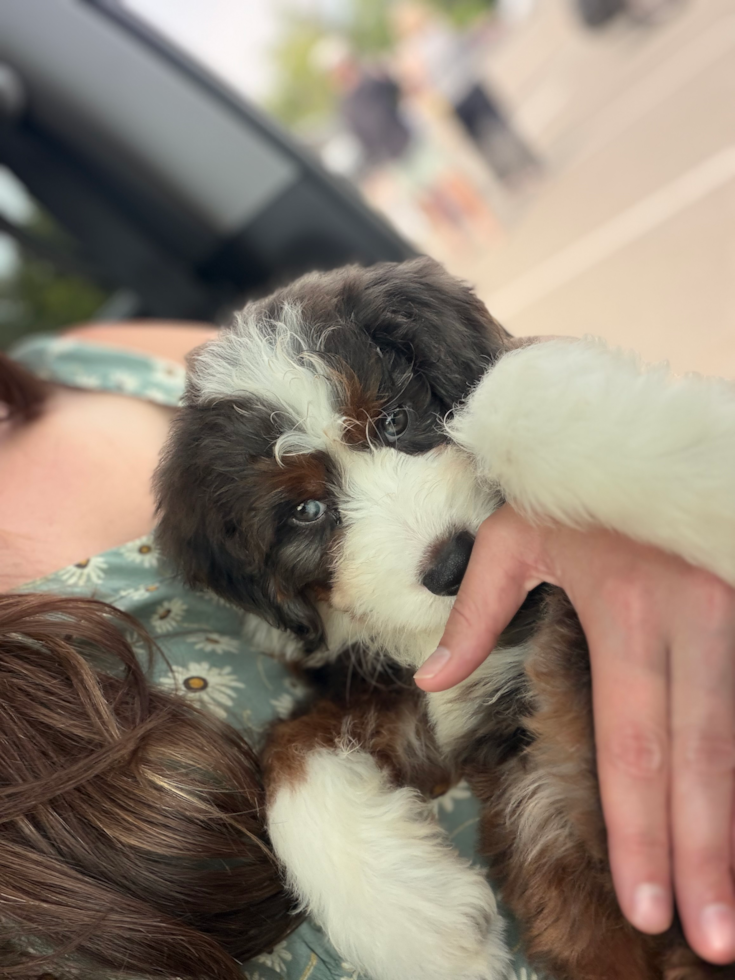
The Mini Bernedoodle offers an affectionate, playful personality in a dog that can have considerable physical presence. It may appeal to someone who enjoys regular walks, family activities, and quiet moments with a substantial companion nearby. Its size deserves thoughtful consideration, particularly for people who prefer smaller dogs, but that same sturdy presence can be part of its appeal. For families who appreciate a warm, involved companion with moderate activity needs, the Mini Bernedoodle has much to offer.
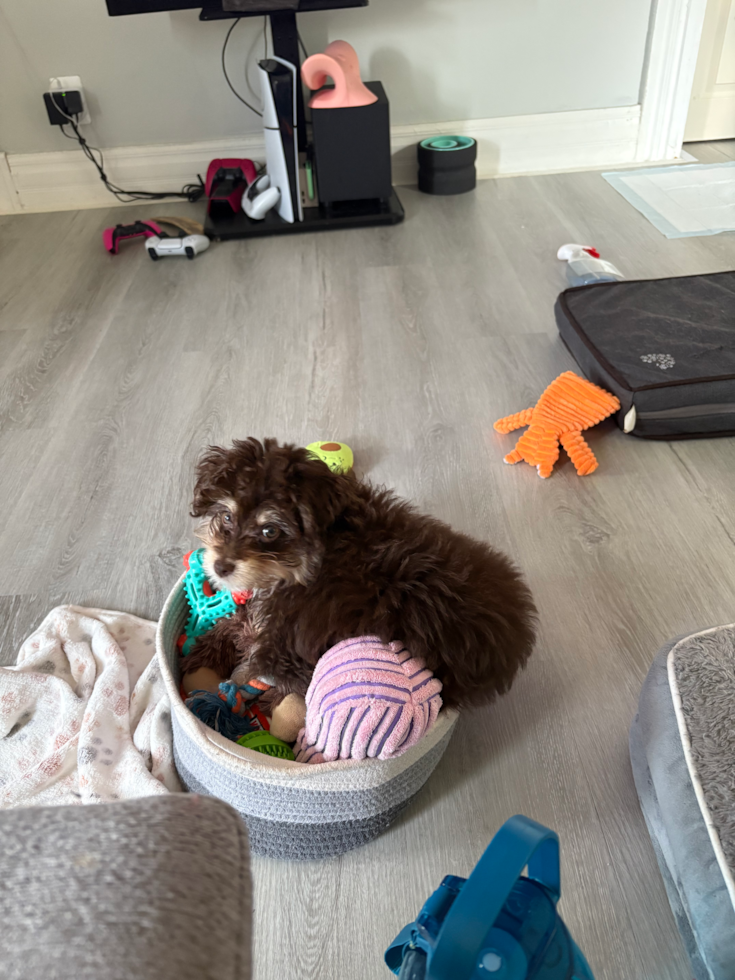
The Mini Aussiedoodle brings a different kind of excitement to everyday life. Its quick mind, attentive nature, and enthusiasm for activity can make training and outdoor adventures particularly enjoyable. This breed may be especially appealing to people who want a dog that participates enthusiastically in games, learns new skills, and enjoys frequent interaction. Its smaller build can also suit owners who prefer a lighter dog without sacrificing an active personality. The commitment is to provide enough movement, variety, and guidance to satisfy that lively character.
Neither breed needs to fit a perfect description to make a wonderful companion. A playful Mini Bernedoodle can surprise you with its enthusiasm, just as a Mini Aussiedoodle can develop a lovely appreciation for quiet afternoons. Their typical characteristics provide a useful guide, but individual personalities still deserve attention. If you prefer a substantial, affectionate dog with a comfortable balance between activity and relaxation, the Mini Bernedoodle may suit you beautifully. If you enjoy a clever, responsive companion that welcomes an active, interactive lifestyle, the Mini Aussiedoodle may feel like exactly the kind of dog you've been hoping to find.
Frequently Asked Questions
Why are some Mini Bernedoodles much larger than others? Mini Bernedoodles have considerable size variation because the dogs involved in the cross can differ substantially in their adult proportions. First-generation Mini Bernedoodles come from a Bernese Mountain Dog and Miniature Poodle, while later generations may include additional Poodle ancestry. This variation helps explain why one adult can weigh around 25 pounds while another approaches 50 pounds. Individual size also depends on the particular breeding lines, so generation labels are useful but cannot guarantee a specific outcome. Anyone who strongly prefers a smaller adult dog should take those differences seriously.
Does an F1B Mini Bernedoodle always stay smaller than an F1? No, an F1B Mini Bernedoodle is not guaranteed to be smaller than an F1 dog. Fairfield Furbabies lists lower typical weight ranges for its F1B Mini Bernedoodles, but individual size depends on the dogs involved in the cross. An F1B puppy can inherit proportions that place it outside the expected range. The F1B designation describes a breeding generation rather than a strict adult size category. It is useful information, but it should never be treated as a promise about a puppy's final weight or height.
Are Mini Bernedoodles calm even as puppies? Mini Bernedoodle puppies can be wonderfully affectionate, but they are still playful young dogs with plenty of curiosity and enthusiasm. Some enjoy lively games, race around the house during excited moments, or greet familiar people with more energy than coordination. Their gentle reputation describes a common temperament tendency rather than constant quiet behavior. Consistent training helps puppies learn polite greetings, appropriate play, and how to settle comfortably between activities. A Mini Bernedoodle should be welcomed as a lively youngster, not as a fully relaxed adult from the first day home.
Do Mini Aussiedoodles need advanced training to be happy? Mini Aussiedoodles do not require formal advanced training, but many appreciate activities that give their intelligence a useful outlet. Simple games that involve finding a toy, responding to familiar cues, or learning a new trick can provide enjoyable challenges. A household does not need specialized equipment or competitive training goals to keep the dog engaged. Short, consistent activities can fit naturally into ordinary routines, particularly when the owner genuinely enjoys participating. The important part is offering variety and attention rather than expecting the Mini Aussiedoodle to entertain itself without guidance.
Which breed is more likely to bark at movement outside? A Mini Aussiedoodle may show greater interest in movement outside the home because of its Mini Aussie ancestry. Some notice people passing the window, animals in the yard, or unfamiliar activity and respond with alert barking. Mini Bernedoodles can bark at visitors or unusual sounds too, so neither breed should be expected to stay completely quiet. Early practice with calm responses to everyday sights and noises helps establish better habits. Individual temperament, household activity, and consistent training all influence how vocal either dog will be.
Which breed is easier to manage on walks? The answer depends on the dog's training, adult size, and response to distractions. A Mini Bernedoodle may have more physical strength because of its substantial build, so loose-leash manners deserve attention from puppyhood. A Mini Aussiedoodle may be lighter but more interested in movement, unfamiliar sights, or opportunities to explore. Both can learn to walk politely with patient instruction and rewards for staying attentive to their owners. The most comfortable walking companion is the dog that has learned good habits rather than simply the smaller of the two breeds.
Are Mini Bernedoodles interested in games and tricks? Yes, Mini Bernedoodles can enjoy games, tricks, and activities that involve learning new skills. Their more moderate exercise reputation does not mean they lack curiosity or enthusiasm for training. Many appreciate interactive toys, simple retrieval games, and opportunities to practice familiar commands with their families. Some individuals are especially eager learners, while others enjoy shorter sessions with plenty of encouragement. The breed can offer a lovely training experience for owners who appreciate a relaxed but engaging approach.
Which breed takes longer to groom at home? A Mini Bernedoodle may require longer brushing sessions because it can have a larger body and more coat to maintain. However, the texture and density of the hair are just as important as the dog's size. A Mini Aussiedoodle with dense curls or a coat that tangles easily can demand considerable attention despite being smaller. Both benefit from regular brushing and professional grooming, particularly when their hair is kept long. Choosing a practical haircut can make either breed easier to maintain between appointments.
Can Mini Aussiedoodles learn to relax indoors? Yes, Mini Aussiedoodles can learn to enjoy quiet time indoors, even when they have enthusiastic personalities. A balanced routine that includes exercise, games, and short training sessions helps provide opportunities for appropriate activity. Owners can also teach a dog to settle in a comfortable spot and reward calm behavior during ordinary household moments. These habits are especially useful in busy homes where activity changes throughout the day. An active breed still needs rest, and learning how to relax is an important part of everyday manners.
Which breed is better for someone who wants an affectionate family dog? Both breeds can be wonderfully affectionate family companions, although their styles of interaction may differ. A Mini Bernedoodle may appeal to someone who enjoys a substantial dog with a playful, gentle nature and a strong interest in familiar routines. A Mini Aussiedoodle may suit a family that enjoys active games, regular training, and a companion that responds enthusiastically to shared activities. Neither breed guarantees a particular personality, and individual temperament matters considerably. The best choice is the dog whose ordinary needs and preferred activities match the way your family enjoys spending time together.