





Published Tuesday, November 24, 2026 by Fairfield Furbabies
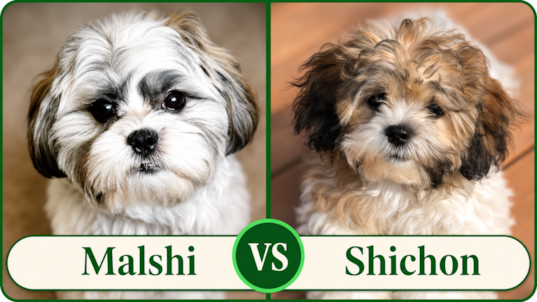
Few dogs have an appearance quite as irresistible as the Malshi and Shichon. With their soft coats, rounded faces, dark eyes, and tiny noses, they look remarkably like the stuffed animals that inspired their popular nickname. Both belong to the group of small companion dogs affectionately called Teddy Bears, and both have personalities that make them wonderful additions to a loving home. Yet, beneath their similar appearances are two distinct crosses with their own characteristics, temperaments, and everyday habits.
The Malshi vs Shichon comparison is particularly interesting because these dogs share Shih Tzu ancestry and many of the same companion-dog qualities. The Malshi combines the Shih Tzu with the Maltese, while the Shichon pairs the Shih Tzu with the Bichon Frise. Their personalities are affectionate and playful, but the Malshi may show a stronger preference for familiar people and close individual relationships, while the Shichon can have a particularly outgoing, sociable nature. These differences are tendencies rather than guarantees, and individual personalities can vary considerably.
Their appearance also deserves a closer look, especially for people who have fallen in love with the classic Teddy Bear face. The Malshi commonly has a softer, silkier coat and a relatively petite frame, while the Shichon may develop a fuller, plush coat and a somewhat sturdier build. Both are small enough to fit comfortably into apartment life, and neither requires an extensive exercise schedule. Understanding their differences can help you appreciate what makes each dog special and choose the companion whose personality and daily needs suit your home.
Table of Contents
Malshi vs Shichon Comparison Table
The Malshi and Shichon have similar sizes, affectionate temperaments, and moderate daily activity requirements. Their most recognizable differences appear in coat texture, physical proportions, and certain aspects of their social behavior. Both are considered Teddy Bear dogs because of their rounded, fluffy appearance, although that nickname does not describe one separate breed. The following table provides a practical overview of their characteristics, with approximate ranges that allow for individual variation.
| Characteristics | Malshi | Shichon |
| Parent Breeds | Maltese and Shih Tzu | Bichon Frise and Shih Tzu |
| Other Names | Mal-Shi, Malti-Tzu, Malt-Tzu, Maltese Shih Tzu Mix | Zuchon, Shih Tzu Bichon Mix, Bichon Shih Tzu |
| Adult Weight | Approximately 6–14 pounds, with larger individuals possible | Approximately 9–18 pounds, with smaller individuals possible |
| Adult Height | Approximately 8–12 inches | Approximately 9–12 inches |
| Coat Type | Soft, silky, straight to wavy, sometimes slightly curled | Soft, dense, plush, wavy to curly |
| Hypoallergenic Qualities | Low-shedding potential; no guaranteed hypoallergenic coat | Low-shedding potential; no guaranteed hypoallergenic coat |
| Grooming Needs | Frequent brushing, ideally daily with a longer coat; professional grooming about every 4–6 weeks | Frequent brushing, especially through dense curls; professional grooming about every 4–6 weeks |
| Exercise Needs | Approximately 30–45 minutes daily | Approximately 30–45 minutes daily |
| Training | Intelligent, attentive, responsive to positive training, sometimes independent | Intelligent, playful, responsive to encouragement, and generally cooperative |
| Colors | White, cream, gold, tan, brown, black, silver, and mixed colors | White, cream, apricot, buff, gray, brown, black, and multicolored patterns |
| Temperament | Affectionate, loyal, gentle, alert, playful, and devoted | Affectionate, cheerful, sociable, playful, friendly, and adaptable |
| Best Fit | People who appreciate close companionship, manageable activities, and an affectionate little dog with individual character | People who enjoy a sociable, playful companion with a cheerful personality and a plush teddy bear appearance |
Malshi vs Shichon Overview
The Malshi and Shichon are modern companion crosses that developed during a period of increased interest in smaller dogs with affectionate personalities and appealing coats. Their histories are less formally documented than those of established purebred breeds, but both have developed recognizable identities. The Teddy Bear nickname has contributed to their popularity, although it describes an appearance rather than one specific breed or temperament. Each cross also has its own history and appeal, which helps explain why families continue to show interest in both.
Malshi History and Popularity
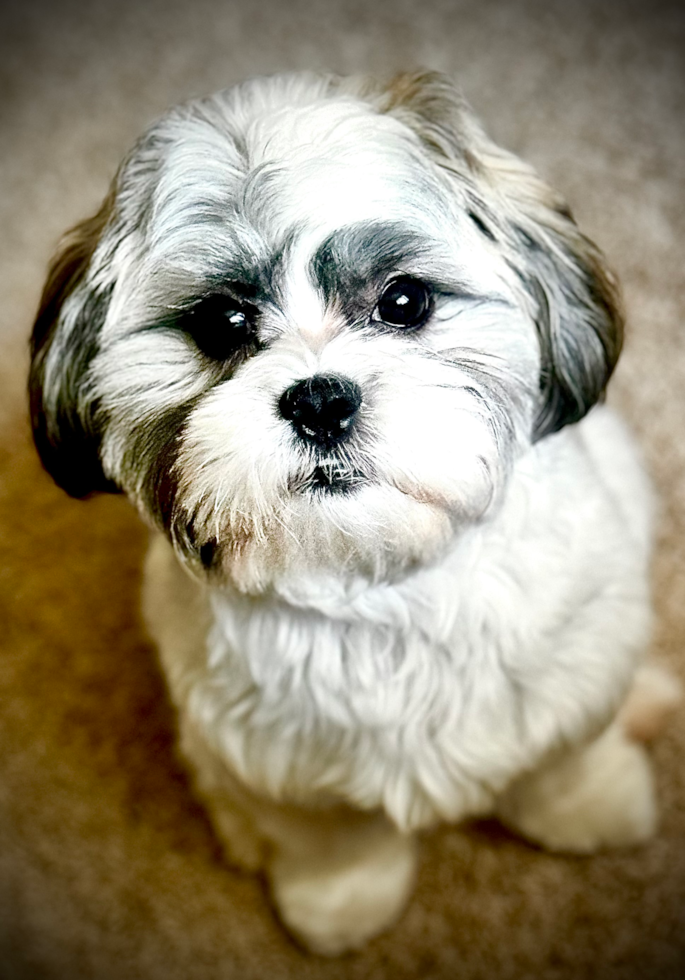
The Malshi developed during the rise of intentionally bred small companion crosses in the late twentieth century. Its history is associated with the growing interest in dogs that combined manageable size, affectionate temperaments, and soft coats that shed relatively little. The Maltese Shih Tzu mix attracted attention in countries such as Australia before earning a wider following among companion-dog enthusiasts elsewhere. There is no single universally documented creation date or individual credited with developing the first Malshi. Its history is better understood as the gradual establishment of a modern cross that appealed to people who appreciated traditional toy companions.
As the Malshi gained popularity, its personality played an important role in establishing its reputation. People appreciated a dog that enjoyed affection, adapted to indoor life, and offered a cheerful presence without requiring extensive exercise. Its small size also made it attractive to apartment residents and people who preferred a companion that was easy to accommodate in everyday routines. The breed's coat could be kept long for a soft, elegant appearance or trimmed into the rounded style associated with Teddy Bear dogs. This flexibility contributed to its appeal among people with different grooming preferences.
The Malshi has developed a following among families, couples, individuals, and older adults who enjoy close relationships with their pets. Its affectionate temperament can create a particularly rewarding bond, especially in homes where regular companionship is part of daily life. Although Malshis are commonly described as gentle lap companions, many also have an entertaining, playful side that deserves recognition. Their personalities can include curiosity, confidence, and a little independence, which gives the breed more character than its soft appearance might suggest. Today, the Malshi is appreciated for its combination of manageable size, affection, and lively companion-dog personality.
Shichon History and Popularity
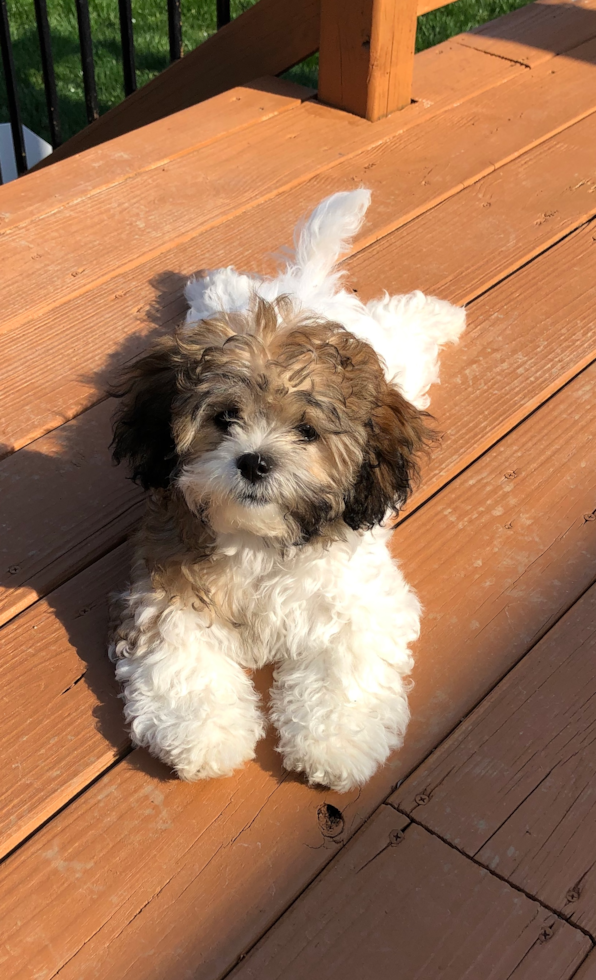
The Shichon, also known as the Zuchon, developed as interest expanded in small companion crosses with plush coats and friendly temperaments. Its origins are associated with the designer-dog movement of the late twentieth and early twenty-first centuries, although no single creation date is universally documented. The cross combines the Shih Tzu and Bichon Frise, two established companion breeds with long histories of close human interaction. The Shichon gradually earned attention for its rounded appearance and cheerful personality, particularly among people who wanted a small dog with a soft, fluffy coat. Its Teddy Bear nickname helped introduce the breed to a wider audience.
The Shichon's popularity is closely connected to its distinctive appearance, although its temperament has contributed just as much to its appeal. Many people are drawn to the breed's dark eyes, rounded face, and dense coat, which can create an especially plush look after grooming. Its sociable personality also attracts families who enjoy a dog that participates in household activities and appreciates attention from familiar people. Shichons are intelligent and playful, with an adaptable nature that can suit different living arrangements. Their combination of affection and social enthusiasm has helped establish the breed as a recognizable modern companion.
Unlike an established purebred, the Shichon does not have a single official standard that determines every adult's size, appearance, or temperament. Some individuals have coats with pronounced curls, while others develop softer waves and a more flowing appearance. Their bodies can also vary, although many have a compact, sturdy outline beneath the coat. This diversity gives the breed considerable individuality and means that adult photographs can show several distinct versions of the familiar Teddy Bear look. The Shichon's popularity reflects both its adorable appearance and its ability to offer enjoyable companionship in ordinary family life.
Malshi vs Shichon Appearance
The Malshi and Shichon are among the small companion crosses most closely associated with the Teddy Bear appearance. Both have expressive eyes, rounded facial features, soft coats, and compact bodies that make them particularly appealing as puppies. However, their coat textures and underlying proportions can produce noticeable differences as they mature. These characteristics are especially interesting because two puppies with nearly identical faces may grow into adults with quite different silhouettes and grooming needs.
Malshi Appearance
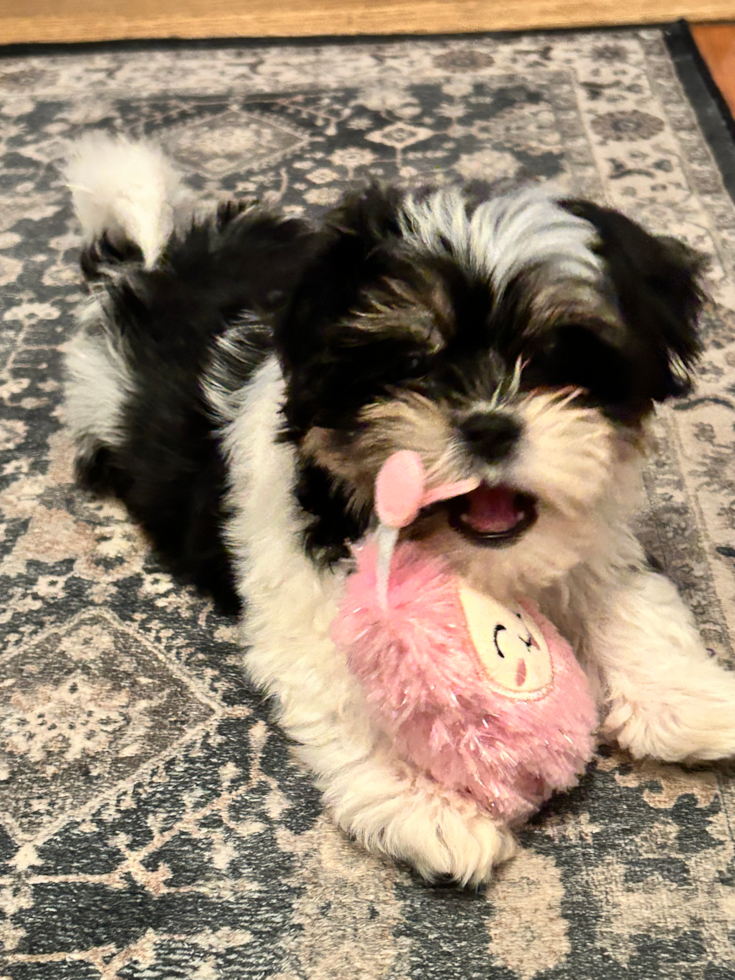
The Malshi is a small dog with a compact body and an adult weight that commonly falls between 6 and 14 pounds. Most stand approximately 8 to 12 inches tall at the shoulder, although individual dogs may fall outside those ranges. Some Malshis have a particularly fine, petite appearance, while others develop a sturdier frame that reflects their Shih Tzu ancestry. Their bodies are generally well-proportioned, with relatively short legs and a comfortable, balanced outline. Even beneath a full coat, a Malshi commonly has the recognizable proportions of a small companion dog.
The face is one of the Malshi's most appealing features, particularly when the hair around the eyes and muzzle is shaped into a soft, rounded style. Dark eyes give many Malshis an expressive look, while the dropped ears frame the face beneath silky hair. Their muzzles can vary in length, with some dogs showing a moderate profile and others developing a shorter, broader-looking face. A longer facial coat can make the head appear fuller, especially when the hair around the cheeks is left soft and rounded. The tail commonly arches over the back or curves toward one side beneath a plume of hair.
The Malshi coat is commonly soft and silky, with textures that range from relatively straight to gently waved. Some individuals develop a fuller coat with light curls, although the breed is particularly associated with smooth, flowing hair. White, cream, tan, gold, brown, black, and silver are among the familiar colors, with combinations that create attractive markings around the face and body. A Malshi may have a mostly light-colored coat or darker patches that give its expression additional character. Some puppies also experience changes in coat shade as their adult hair develops.
Grooming is an important part of life with a Malshi, especially when the coat is kept long. Fine hair can tangle around the ears, underside, legs, and areas where a collar or harness rests. Frequent brushing helps maintain the coat, and daily attention is a sensible choice for dogs with longer styles. Professional grooming every four to six weeks can keep the facial hair neat and preserve a manageable length. Many owners prefer a rounded puppy cut that emphasizes the Malshi's expressive eyes while making everyday maintenance easier.
Shichon Appearance
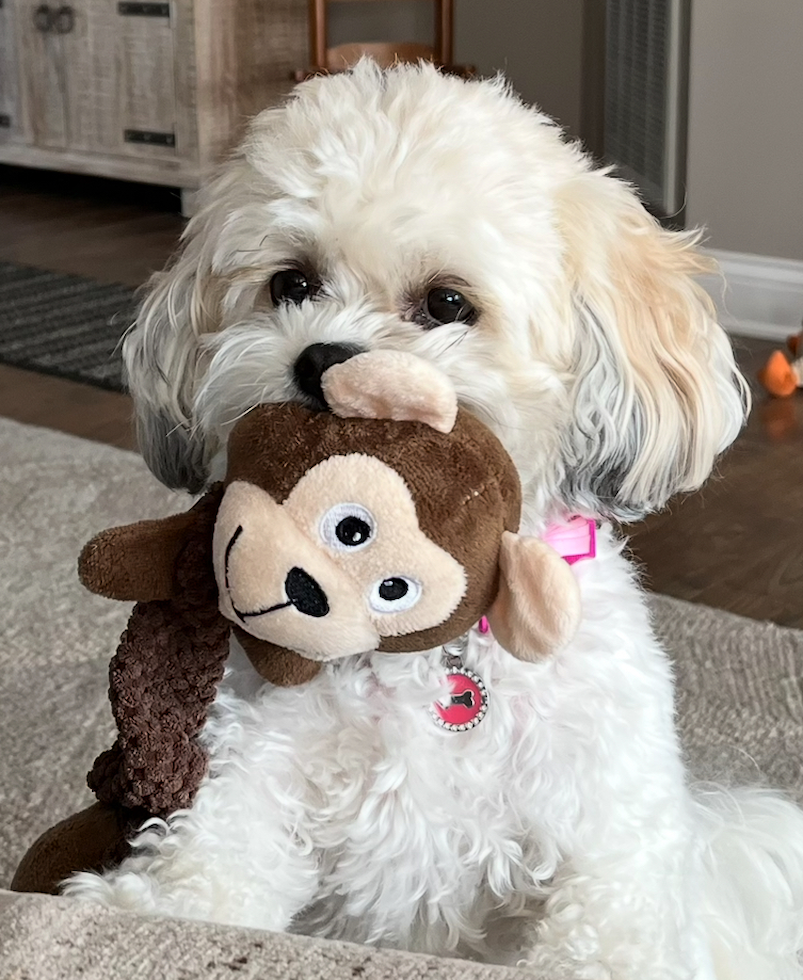
The Shichon commonly has a compact, sturdy body with an adult weight around 9 to 18 pounds, although individual dogs can be smaller or larger. Most stand approximately 9 to 12 inches tall at the shoulder, which places them in a similar height range to Malshis. Their bodies can have a slightly fuller appearance, particularly through the chest and shoulders. A Shichon's coat may add considerable visual volume, so a dog that looks quite substantial beneath its fluff can actually be relatively small. The combination of compact proportions and a soft outline contributes to the breed's recognizable Teddy Bear appearance.
The Shichon face has a wonderfully rounded look, especially when its facial hair is trimmed to frame the eyes and muzzle evenly. Dark eyes commonly stand out against the surrounding coat and give the dog an attentive, friendly expression. The ears hang beside the cheeks and can blend almost completely into the hair when the coat is left full. Some Shichons have a relatively broad-looking muzzle, while others show more definition beneath the facial hair. Their tails commonly curve over the back, with soft hair that adds to the rounded silhouette.
The coat is one of the Shichon's most distinctive physical characteristics because it commonly has a plush, dense texture. Some dogs develop loose waves, while others have more pronounced curls that create a fuller appearance around the body. White, cream, apricot, buff, gray, brown, and black are among the possible colors, along with patterns that combine several shades. A Shichon with a mostly white coat can have a particularly classic teddy bear look, while darker markings can create a completely different expression. The density of the coat gives the breed much of its appealing softness, although it also requires regular maintenance.
Shichon grooming should be consistent, particularly when the coat is kept at a medium or longer length. Dense hair can develop tangles beneath the outer layer, especially behind the ears, under the legs, and around the neck. Frequent brushing helps keep the coat manageable, and a shorter style can reduce some of the daily work. Professional grooming every four to six weeks is a common routine for owners who prefer a neat, rounded appearance. A well-shaped puppy cut can emphasize the Shichon's dark eyes and soft facial features without requiring an especially long coat.
Malshi vs Shichon Appearance Comparison
The Malshi and Shichon share the classic Teddy Bear look, but their coats create one of the clearest visual differences. Malshis commonly have softer, silkier hair that falls naturally along the body, while Shichons are more closely associated with a plush coat that creates additional fullness. A long-coated Malshi may have a smoother, more flowing appearance, while a Shichon can look particularly rounded when its hair is left at a medium length. However, both breeds can have wavy coats, and some individuals may look remarkably similar. Coat texture is therefore a useful tendency rather than an absolute way to distinguish the two.
Adult body proportions provide another interesting comparison, especially when the dogs are viewed without particularly long coats. A Malshi can have a finer, more petite frame, while a Shichon may appear somewhat sturdier and fuller through the body. Their size ranges overlap, so an individual Malshi can certainly weigh more than a smaller Shichon. This distinction matters for owners who have a preference for a very petite companion or a dog with slightly more physical substance. The best choice depends on the particular adult proportions an owner appreciates rather than assuming one breed will always be larger.
Grooming needs are substantial for both breeds, although the work involved can differ according to coat texture. A Malshi with fine, silky hair may need careful attention to small tangles around the ears and legs, while a Shichon's dense coat can require brushing through the layers beneath its fluffy surface. Neither should be chosen with the expectation of effortless grooming simply because it sheds relatively little. Shorter trims can make both coats easier to maintain, while longer styles require more frequent care. Owners who appreciate the rounded Teddy Bear appearance can enjoy that look with either breed when the coat is maintained consistently.
Malshi vs Shichon Temperament
The Malshi and Shichon share affectionate personalities and a strong appreciation for human companionship, but their individual habits can create different experiences at home. Both enjoy attention, respond to familiar people, and can develop close relationships with family members. Their exercise needs are moderate, and neither requires a particularly demanding daily activity schedule. The interesting differences appear in how they express affection, approach unfamiliar situations, respond to training, and participate in household activities.
Malshi Temperament
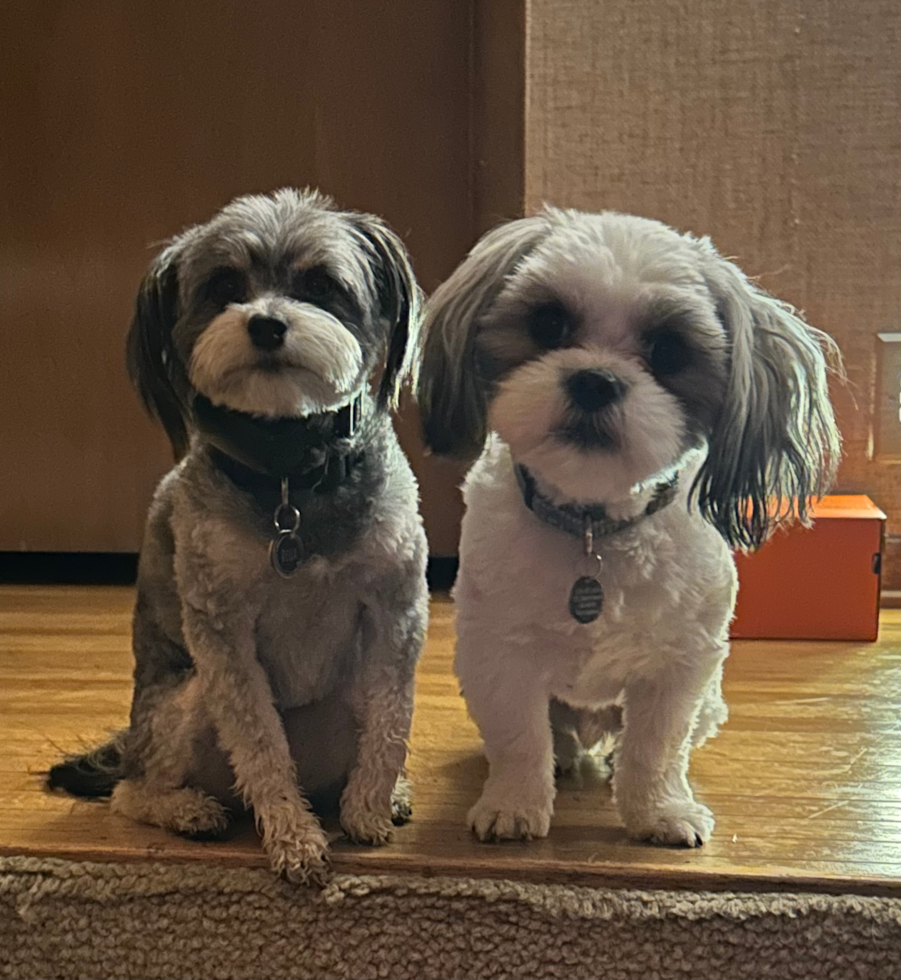
The Malshi has an affectionate, attentive personality that can create a particularly close relationship with familiar people. These dogs enjoy companionship and commonly appreciate a comfortable place near the family, especially during quieter parts of the day. Some Malshis develop a strong preference for one person, while others share their affection more evenly across the household. Their behavior can be gentle and affectionate without losing the lively curiosity associated with small companion breeds. A Malshi may be perfectly content beside its owner one moment and eager to investigate an interesting sound the next.
One appealing aspect of the Malshi temperament is its ability to enjoy affection alongside little bursts of playful enthusiasm. These dogs can appreciate soft toys, short games, and familiar activities that bring them into contact with their favorite people. Their playfulness does not necessarily translate into high energy, and many are comfortable with a moderate daily routine. A Malshi may enjoy a brief game in the living room and then settle down for a quiet afternoon. This flexibility makes the breed appealing to people who enjoy companionship without an extensive exercise schedule.
Malshis are intelligent and capable of learning household rules, although some show a determined or independent side during training. Positive reinforcement works particularly well, especially when lessons are brief, clear, and enjoyable. A Malshi may respond quickly to a familiar command but lose interest when the same exercise is repeated too many times. Patience and consistency help establish reliable habits without turning training into a struggle. Their affectionate nature can make praise and positive attention particularly rewarding.
Social behavior varies between individuals, and some Malshis prefer a little time before accepting attention from unfamiliar people. A confident puppy may approach visitors with enthusiasm, while a more reserved individual might observe the situation before joining the interaction. Early positive experiences help develop comfortable behavior around guests, other pets, and unfamiliar environments. Malshis can enjoy life with respectful children, particularly when games are gentle and adults supervise interactions. Their small size calls for thoughtful handling, even when the dog has a confident personality.
The Malshi's appreciation for companionship makes it important to establish comfortable routines around short periods alone. A puppy that receives constant attention may need gradual practice before it feels relaxed when family members are temporarily occupied. Daily exercise of approximately 30 to 45 minutes, combined with play and simple activities, suits many adults. Apartment living can work well when owners provide that routine and teach appropriate behavior around household sounds. The Malshi's affectionate personality is particularly rewarding for people who enjoy close contact and regular interaction with their pets.
Shichon Temperament
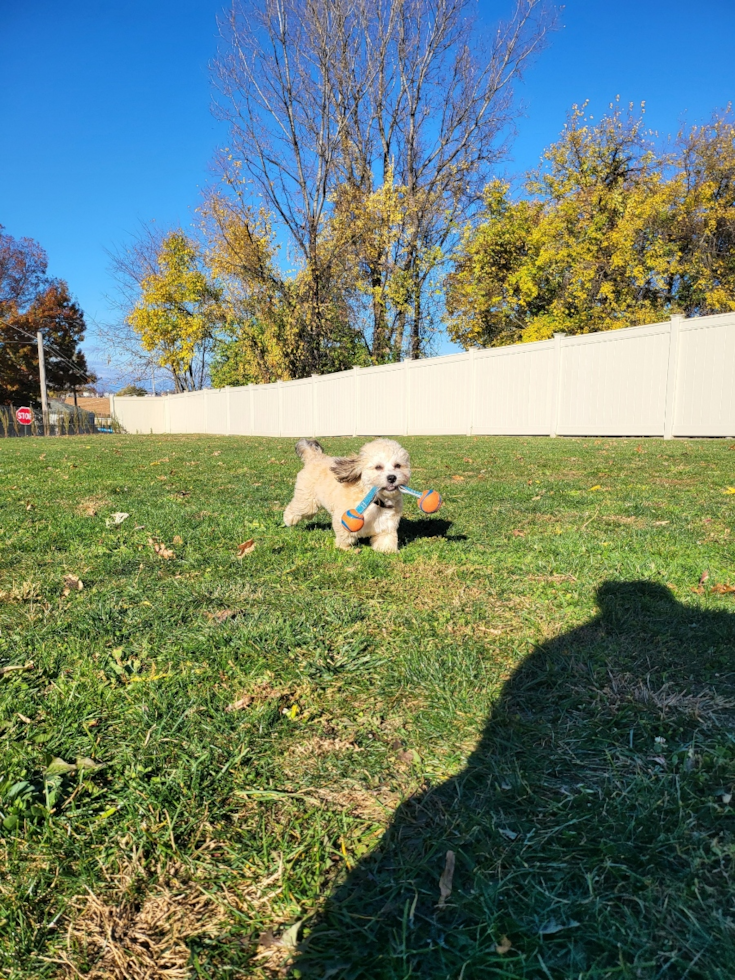
The Shichon has a cheerful, sociable personality that makes it an enjoyable companion for people who appreciate a friendly little dog. These dogs commonly enjoy attention and can show considerable enthusiasm when familiar people arrive home or an interesting activity begins. Their affectionate nature gives them a warm presence, while their playfulness adds plenty of character to everyday life. Some Shichons approach new people with immediate friendliness, although individual confidence varies. Their social personality is one of the characteristics that has contributed to the breed's popularity.
Play is an enjoyable part of the Shichon's daily routine, particularly when family members are willing to participate. These dogs can appreciate short games of fetch, gentle tug, and activities that encourage interaction without requiring strenuous exercise. Their enthusiasm can be entertaining, especially when a favorite toy appears or someone invites them to play. A Shichon can enjoy a lively few minutes and then relax comfortably near the family afterward. This balance between activity and companionship makes the breed suitable for a variety of household routines.
Shichons are intelligent and capable of learning useful skills through positive training. Their social nature can make praise and attention especially rewarding, particularly when lessons feel like an enjoyable shared activity. Some respond enthusiastically to new commands, while others benefit from a slower introduction and familiar rewards. Clear expectations are important because a friendly dog still needs to learn polite greetings, appropriate barking habits, and reliable household routines. Patient guidance helps establish those behaviors without discouraging the Shichon's cheerful personality.
The breed can be a lovely companion for families with children, particularly when interactions are supervised and respectful. Shichons may enjoy the company of other dogs and household pets, although introductions should always consider individual confidence and play preferences. Their compact size makes indoor life comfortable, but they still appreciate regular walks and opportunities for activity. Approximately 30 to 45 minutes of daily exercise provides a useful starting point for many adults. Their sociable nature can make them particularly enjoyable in households where family members spend time together and appreciate a dog that wants to participate.
Shichons also value familiar companionship, and owners should help them develop confidence during short periods of separation. A puppy that learns to rest comfortably without constant attention can adapt more easily to ordinary household routines. Some Shichons bark when unfamiliar sounds or visitors interrupt the day, so calm responses should be encouraged early. Their affectionate personality does not eliminate the need for training, but it can make positive interaction a particularly enjoyable part of the process. For people who appreciate a cheerful little dog with a friendly nature, the Shichon offers plenty of appeal.
Malshi vs Shichon Temperament Comparison
The Malshi and Shichon have more temperament similarities than differences, which is worth remembering before choosing between them. Both are affectionate, playful, intelligent companions that enjoy close relationships with people. However, the Malshi may show a stronger preference for familiar individuals and a more selective approach to unfamiliar social situations. The Shichon can have a particularly sociable personality and may show greater enthusiasm for group interaction. These tendencies overlap considerably, and individual dogs can show characteristics associated with either breed.
Consider how each breed might respond when visitors arrive at the house. A Malshi may approach familiar guests with excitement but prefer a little time to assess someone new. A Shichon may greet visitors more readily, especially when it has developed confidence through positive experiences. Neither response should be treated as a guarantee, and early socialization influences behavior considerably. The important distinction is how comfortable the individual dog feels with social attention and unfamiliar activity.
Training offers another interesting comparison because both breeds are capable learners with slightly different possible motivations. A Malshi may respond particularly well to familiar rewards and consistent routines, although some show an independent streak during repetitive lessons. A Shichon can enjoy the social interaction that comes with training and may participate enthusiastically when praise and play are involved. Neither breed should be considered more intelligent solely because of these differences. The most successful training approach is one that respects the dog's individual temperament and maintains clear expectations.
Their activity requirements are closely matched, although their preferred play styles may differ. A Malshi can enjoy short games and familiar walks without needing constant entertainment. A Shichon may show greater enthusiasm for social play, particularly when family members participate in the activity. Both can appreciate quiet afternoons and comfortable evenings at home after their daily exercise needs are met. For most households, the difference in energy level is unlikely to determine the decision on its own.
Family compatibility is another area where both breeds offer strong potential. Malshis and Shichons can develop affectionate relationships with respectful children and other household pets when introductions are handled appropriately. Their small size makes supervision essential, particularly when young children are still learning how to interact gently with animals. A Shichon's potentially sturdier frame may provide a little more physical substance, but neither breed should be expected to tolerate rough play. Individual confidence, early experiences, and family routines matter more than broad assumptions about temperament.
For first-time owners, both breeds can be approachable choices when expectations are realistic. A Malshi may appeal to someone who appreciates close companionship and enjoys a gentle, familiar household routine. A Shichon may suit someone who values sociability, playful interaction, and a cheerful presence during everyday activities. Both require grooming, patient training, and regular attention, so neither should be described as a dog that needs virtually no effort. The better match is the individual puppy whose temperament and daily needs fit comfortably into the owner's lifestyle.
Malshi vs Shichon Conclusion
The Malshi and Shichon are two lovely examples of the Teddy Bear dog, but their individual qualities can help make the decision clearer.
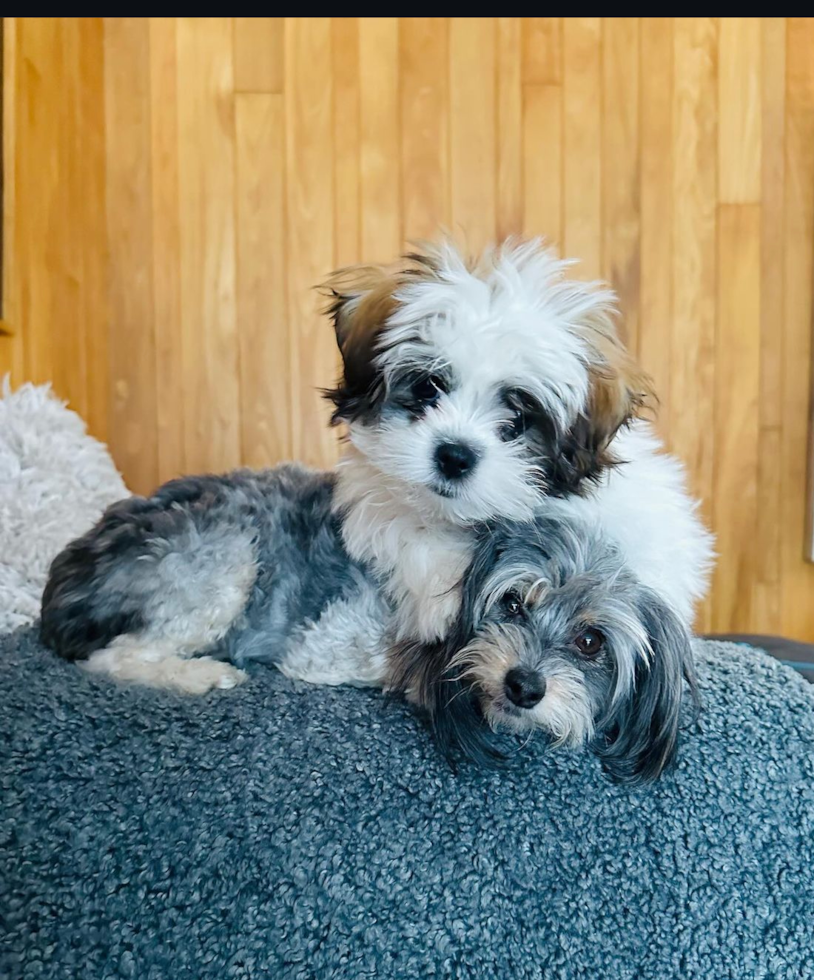
The Malshi is an appealing choice for someone who appreciates a petite companion with a soft, silky coat and an affectionate personality that values familiar relationships. Its manageable exercise needs and enjoyment of quiet companionship can suit people who prefer a comfortable daily routine. A Malshi can still be lively and playful, but its close attachment to familiar people is one of the qualities that makes the breed especially rewarding.
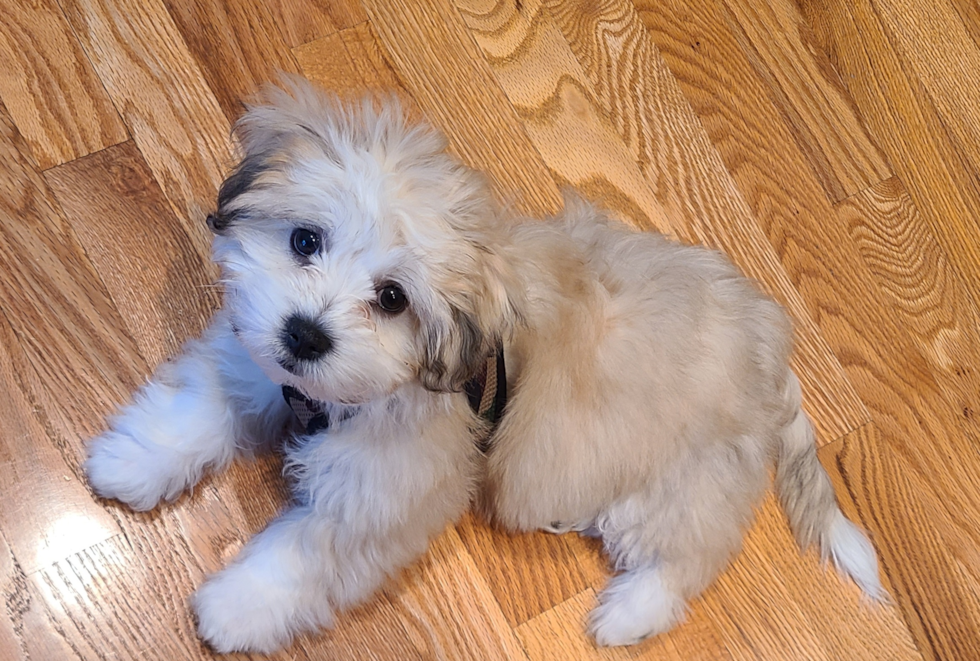
The Shichon may appeal more to someone who appreciates a cheerful, sociable dog with a fuller coat and a playful approach to family life. Its plush appearance creates the classic Teddy Bear look, while its friendly personality can make everyday interaction particularly enjoyable. A Shichon can be a wonderful companion for families who appreciate social play and regular activities without requiring an extensive exercise schedule. Its grooming needs deserve attention, especially when owners prefer to maintain a longer, fluffy coat.
The final choice should reflect the kind of relationship you hope to enjoy with your dog. If you prefer a particularly close companion with a silkier coat and a gentle personality that appreciates familiar routines, the Malshi deserves serious consideration. If you enjoy a sociable little dog with a plush appearance and a cheerful interest in family activities, the Shichon may feel like the more natural fit. Both offer affection and companionship, but choosing the individual dog whose temperament and daily needs suit your home is what makes the relationship truly rewarding.
Frequently Asked Questions
Are Malshis and Shichons both Teddy Bear dogs? Yes, both the Malshi and Shichon are commonly called Teddy Bear dogs because of their soft coats, rounded faces, and compact appearance. The nickname refers to a recognizable look rather than one separate breed with a formal standard. A Malshi is a Maltese and Shih Tzu mix, while a Shichon is a Bichon Frise and Shih Tzu mix. Both can have the classic rounded Teddy Bear expression, particularly when their facial hair is trimmed into a soft, even shape. Their similarities are considerable, but their parentage and individual characteristics distinguish them.
Is a Malshi smaller than a Shichon? Malshis commonly occupy a slightly smaller adult weight range than Shichons, although the two breeds overlap considerably. A Malshi may weigh approximately 6 to 14 pounds, while Shichons commonly range from around 9 to 18 pounds. Individual dogs can fall outside these estimates, and a larger Malshi can weigh more than a smaller Shichon. Their heights are also similar, which means two adults may stand at nearly the same level despite differences in body substance. Size should therefore be considered individually rather than assumed from the breed name alone.
Do Malshis and Shichons shed a lot? Both breeds are commonly associated with low-shedding coats, although individual shedding levels can vary. A Malshi may have finer, silkier hair, while a Shichon can develop a denser coat with more pronounced waves or curls. Loose hair can become trapped within these coats instead of falling freely around the home. That characteristic does not eliminate the need for brushing, since trapped hair and tangles require regular attention. Owners should expect consistent grooming regardless of which Teddy Bear breed they choose.
Can Malshi and Shichon coats change as they grow? Coat changes are possible in both breeds as puppies develop their adult hair. Some Malshis begin with soft, fluffy coats that gradually develop a silkier texture, while others retain more fullness. Shichon coats may also change in density, wave, or curl as the dog matures. Color changes are possible too, particularly when puppies have darker markings that soften with age. The final adult coat may therefore look somewhat different from the puppy's original appearance.
Can both breeds have the same teddy bear haircut? Malshis and Shichons can both wear a classic Teddy Bear haircut with a rounded face and a neatly trimmed body. The finished appearance may differ because Malshi hair is commonly silkier, while Shichon coats can have greater density and curl. A groomer can adjust the style to suit the individual dog's coat texture and facial proportions. Regular appointments help maintain the rounded appearance and prevent the hair from growing beyond the preferred length. Both breeds can look adorable in this style, even when their natural coats are quite different.
Which breed is better for families with children? Both Malshis and Shichons can make affectionate family companions when children learn to interact respectfully with small dogs. A Shichon may have a slightly sturdier build, although individual size and temperament matter considerably. A Malshi can also enjoy games and affection from children, especially when play is gentle and predictable. Adults should supervise interactions and teach children to respect the dog's space, particularly during rest or quiet time. The best match is a puppy with a suitable individual temperament and a family prepared to provide consistent guidance.
Can Malshis and Shichons live with other dogs or cats? Both breeds can share a home with other pets when introductions are handled thoughtfully. Their companion-oriented personalities give them good potential for affectionate relationships, although individual confidence and play preferences vary. A small dog may appreciate another animal's company without enjoying rough or overwhelming play. Cats should have access to comfortable spaces away from the dog, especially during early introductions. Patient supervision and gradual interaction help establish a peaceful relationship between household pets.
Which breed is more likely to bark at visitors? Neither breed is guaranteed to bark more than the other, since individual behavior and training influence vocal habits. Malshis can be attentive to unfamiliar activity and may announce visitors when someone approaches the home. Shichons can also bark in response to doorbells or unfamiliar sounds, particularly when excitement is involved. Teaching calm greetings and rewarding quiet behavior can help establish better habits in either breed. The individual dog's temperament is more useful than assuming one Teddy Bear breed will always be quieter.
Are Malshis and Shichons suitable for quieter households? Both breeds can enjoy a quieter household when regular companionship and gentle daily activities are part of the routine. A Malshi may appeal to someone who appreciates close individual relationships and a comfortable pace of life. A Shichon can also enjoy relaxed afternoons, although some individuals show greater enthusiasm for social interaction. Neither requires an extensive exercise schedule, but both need daily walks, play, and opportunities to engage with familiar people. The best choice depends on the household's preferred activities and the individual dog's personality.
How should I choose between a Malshi and a Shichon puppy? Start by considering the adult appearance and coat texture you prefer, since these are among the more recognizable differences between the breeds. A Malshi may appeal to someone who enjoys a silkier coat and a particularly close style of companionship. A Shichon may suit someone who appreciates a plush coat and a cheerful, sociable personality. Experiences from owners of adult Malshis and Shichons can provide useful insight into the variety found within each breed. The final decision should reflect the individual puppy's temperament, expected adult characteristics, and the type of daily relationship you hope to enjoy.