





Published Wednesday, November 25, 2026 by Fairfield Furbabies
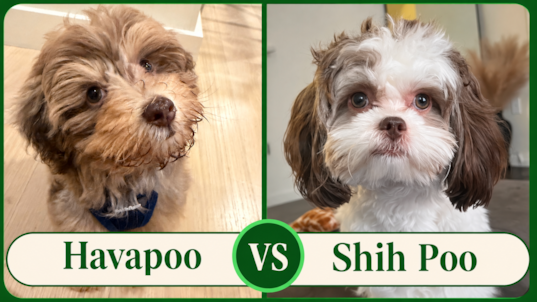
The Havapoo and Shih Poo are two adorable small companion dogs with affectionate personalities, beautiful coats, and a talent for making themselves part of everyday family life. At first glance, the two can look remarkably similar, especially when they have fluffy, wavy coats and those sweet teddy bear faces that are so hard to resist. But look a little closer, and you'll find differences in their physical appearance, energy, behavior, and the way they interact with their families. If you're considering a Havapoo vs Shih Poo, understanding these differences can help you choose a companion whose personality and needs fit naturally into your life.
The Havapoo has a cheerful, curious personality and a playful approach to life that makes ordinary activities feel like opportunities for fun. The Shih Poo brings its own special charm, with a loving, people-oriented nature and a tendency to enjoy a more relaxed pace between bursts of playfulness. Both can make wonderful companions for families, couples, singles, and first-time dog owners, although their individual personalities deserve more attention than their small size or adorable appearance. This comparison takes a close look at their history, appearance, temperament, and everyday needs so you can get to know both breeds beyond their fluffy coats.
Table of Contents
Havapoo vs Shih Poo Comparison Table
The Havapoo and Shih Poo share several characteristics, particularly their small size, affectionate nature, and beautiful coats. However, their differences can influence everything from daily exercise routines to training and grooming commitments. The table below offers a quick look at their most important characteristics before we explore each breed in greater detail. Keep in mind that these are mixed-breed dogs, so individual characteristics can vary considerably.
| Characteristic | Havapoo | Shih Poo |
| Parent Breeds | Havanese and Toy or Miniature Poodle | Shih Tzu and Toy or Miniature Poodle |
| Other Names | Poovanese, Havanoodle, Havadoodle, Havanese Poodle Mix | Shihpoo, Shih-Poo, Shoodle, Shih Tzu Poodle Mix |
| Adult Weight | Approximately 7–20 pounds | Approximately 8–18 pounds |
| Adult Height | Approximately 8–15 inches | Approximately 8–15 inches |
| Coat Type | Soft, wavy, curly, or occasionally straighter | Soft, straight, wavy, or curly |
| Hypoallergenic Qualities | Low-shedding potential; not allergen-free | Low-shedding potential; not allergen-free |
| Grooming Needs | Moderate to high; frequent brushing and professional grooming | Moderate to high; frequent brushing, facial care, and professional grooming |
| Exercise Needs | Approximately 30–60 minutes daily | Approximately 20–40 minutes daily |
| Training | Intelligent, responsive, and enthusiastic about interactive lessons | Intelligent and capable, sometimes independent; benefits from patient, reward-based training |
| Colors | Cream, white, apricot, red, brown, chocolate, black, and multicolored combinations | White, cream, gold, black, brown, gray, apricot, and multicolored combinations |
| Temperament | Affectionate, sociable, cheerful, playful, curious, and attentive | Affectionate, sweet, playful, adaptable, people-oriented, and sometimes independent |
| Best Fit | Families and individuals who enjoy an interactive, playful small companion | Families and individuals who prefer an affectionate companion with a somewhat calmer daily rhythm |
Adult measurements are approximate because neither mix has a standardized size. Exercise estimates describe healthy adults and should be adjusted for age, health, weather, and individual energy levels.
Havapoo vs Shih Poo Overview
The Havapoo and Shih Poo belong to the world of modern companion mixes, where small size, appealing personalities, and distinctive coats have attracted considerable interest among dog lovers. Although they share Poodle ancestry, each has developed its own recognizable appeal and expectations among prospective owners. Their histories are less formally documented than those of established purebred dogs, but their identities extend well beyond the breeds used to create them. Understanding how these companions developed and why people appreciate them provides a useful starting point for exploring their differences.
Havapoo History and Popularity
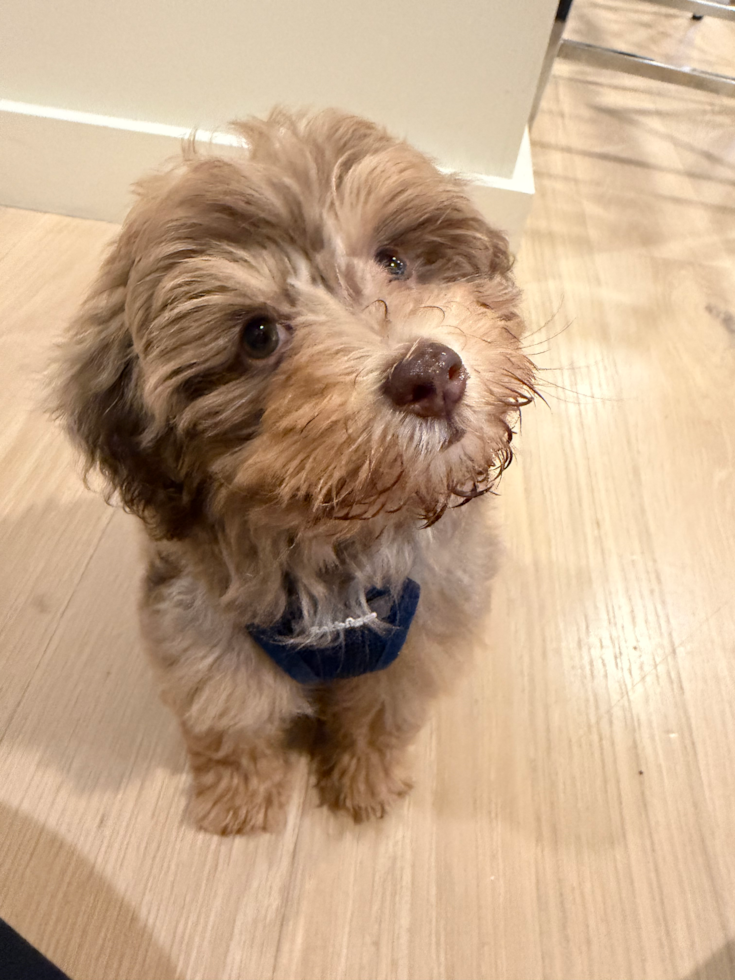
The Havapoo is a small companion dog developed through the combination of the Havanese and the Poodle, most commonly the Toy or Miniature variety. Its exact beginnings are not tied to a single documented breeder or founding date, although the mix belongs to the broader development of modern companion crosses. Unlike established purebred dogs with formal breed standards, the Havapoo does not have one universally accepted appearance or size. What gives this dog its identity is a combination of recognizable companion qualities: an affectionate nature, a lively personality, a compact build, and a soft coat that can take several forms. The result is a dog with considerable individual variety but a strong appeal for people who want an attentive and entertaining household companion.
Much of the Havapoo's charm comes from its enthusiastic approach to everyday life. These little dogs have a reputation for enjoying human interaction, whether that means a walk around the neighborhood, a short training session, or simply following family activities from room to room. Their intelligence adds another appealing quality because a Havapoo can find pleasure in games, new experiences, and activities that allow it to interact with its owner. At the same time, the breed's manageable size and moderate exercise needs make it suitable for many ordinary households. The Havapoo attracts people who appreciate a small, affectionate dog but would also enjoy a companion with enough curiosity and personality to keep daily life interesting.
The Havapoo's appeal has grown alongside interest in small, low-shedding companion mixes, particularly among people who want an affectionate dog without the space requirements of a larger breed. Its attractive coat, expressive face, and approachable personality contribute to that interest, although there are no official registration rankings that establish its popularity in the same way as recognized purebred dogs. Prospective owners should also understand that the Havapoo's adult characteristics can vary, even between puppies from the same litter. Some develop a lighter, more athletic appearance, while others have a rounder face, a denser coat, or a more relaxed temperament. This variety is part of the breed's character, and it makes understanding the individual dog especially valuable.
Shih Poo History and Popularity
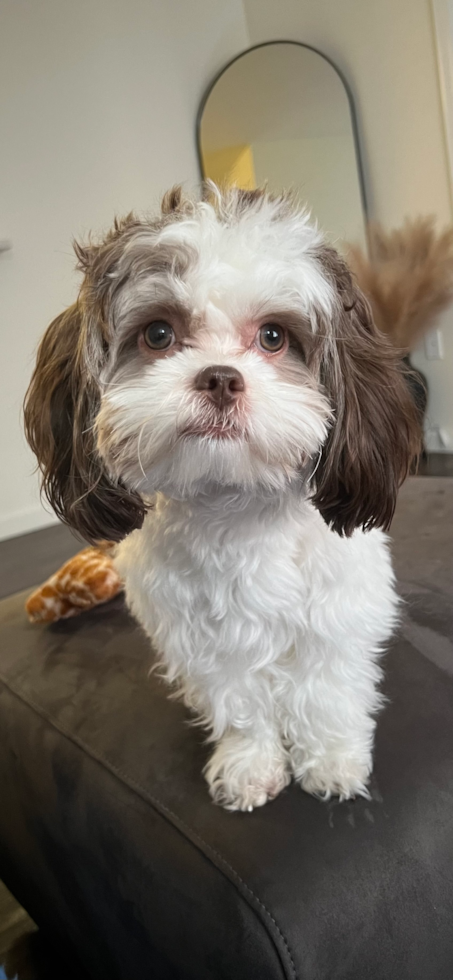
The Shih Poo is a companion cross that combines the Shih Tzu with a Toy or Miniature Poodle. Like the Havapoo, its development is associated with modern interest in small mixed-breed companions rather than a documented breeding program with a universally recognized founding date. The Shih Poo does not have an official breed standard, which allows considerable variation in coat texture, facial structure, size, and personality. Nevertheless, the breed has a recognizable appeal built around its affectionate temperament, compact size, and soft, expressive appearance. Its identity centers on companionship, with many Shih Poos showing a strong preference for close contact with the people they love.
The Shih Poo has earned attention from dog lovers who appreciate a playful companion that can also settle comfortably into a quieter household routine. Its small size suits apartment living and homes without large yards, while its affectionate nature appeals to people who enjoy having their dog close throughout the day. A Shih Poo can be lively and entertaining, especially during puppyhood, but it may show a little more interest in relaxation than a Havapoo with a particularly energetic personality. That balance between playfulness and companionship is one of the breed's most attractive qualities. It gives the Shih Poo an appealing versatility for households that enjoy daily walks and games without necessarily wanting a highly active dog.
Interest in Shih Poos also reflects the appeal of their distinctive teddy bear appearance, which can include round dark eyes, a fluffy face, and a plush coat in many colors. Some have loose curls and a slightly longer muzzle, while others display a more compact face and dense, silky hair. Their appearance can change considerably from puppyhood to adulthood, and temperament also develops through genetics, social experiences, and training. Although the Shih Poo is associated with affectionate, adaptable companionship, individual dogs can differ in confidence, activity, and independence. For anyone considering the breed, its greatest attraction should be the kind of relationship it offers rather than the expectation of one particular look or personality.
Havapoo vs Shih Poo Appearance
The Havapoo and Shih Poo are both small, fluffy dogs with expressive faces and beautiful coats that give them an irresistible companion-dog appearance. Their similarities can make them difficult to distinguish, particularly when they have comparable haircuts and coat colors. However, differences in body structure, facial proportions, coat texture, and grooming needs can create noticeably different appearances as they mature. These characteristics are worth exploring because the way a dog looks can also influence its everyday comfort and care requirements.
Havapoo Appearance
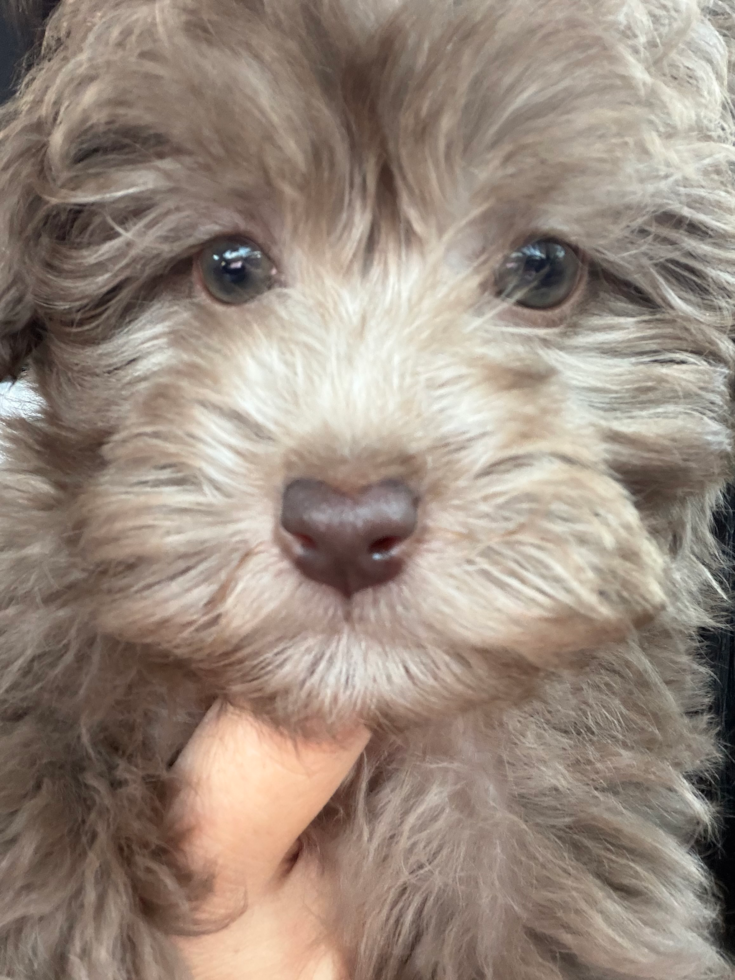
The Havapoo is a small, charming dog with a soft appearance and a body that can look surprisingly athletic beneath its fluffy coat. Most adults fall somewhere around 7 to 20 pounds and stand approximately 8 to 15 inches tall at the shoulder, although dogs with larger Miniature Poodle ancestry may exceed those estimates. Their bodies tend to appear balanced, with moderate legs, a gently rounded head, and a lively expression that suits their cheerful personality. Some Havapoos have a delicate, refined appearance, while others look sturdier and more substantial, particularly when they develop a dense coat. Despite their compact size, many move with a light, confident step that gives them an energetic and playful appearance.
The Havapoo's coat is one of its most distinctive features, with textures that range from loose waves to tighter curls and, in some individuals, softer, straighter hair. A wavy coat may fall naturally around the face and ears, while a curlier coat creates the rounded, plush appearance associated with teddy bear dogs. Colors are wonderfully varied and can include cream, white, apricot, red, chocolate, brown, and black, along with attractive combinations of several shades. Some dogs have white markings on the chest, face, or paws, while others develop a nearly solid-colored coat that gives them a more uniform appearance. Coat color may also shift as the dog matures, particularly in shades that gradually lighten with age.
Havapoos tend to have expressive eyes, soft facial features, and ears that hang beside the face beneath a generous covering of hair. Their muzzles are typically moderate in length, although the exact shape of the head and face varies between individuals. A shorter haircut can reveal the dog's natural proportions, while a longer style creates a rounder, softer appearance that emphasizes the eyes and ears. Grooming plays an important role in maintaining either look because wavy and curly hair can develop tangles around the legs, chest, ears, and areas where the coat experiences friction. Regular brushing, careful combing near the skin, and professional trims help keep the coat comfortable and attractive throughout the year.
Although Havapoos are associated with low shedding, the amount of loose hair they release depends on the individual coat rather than the breed name alone. Curly coats can retain loose strands within the hair, which reduces visible shedding but increases the importance of thorough grooming. A longer coat may need daily attention, while a shorter pet trim can make the routine more manageable, provided the coat is still brushed and checked for tangles. Owners should also keep the hair around the eyes clean, inspect the ears regularly, and maintain nail and dental care as part of the dog's routine. The Havapoo's beautiful coat is certainly part of its appeal, but it comes with a consistent maintenance commitment that deserves consideration before bringing one home.
Shih Poo Appearance
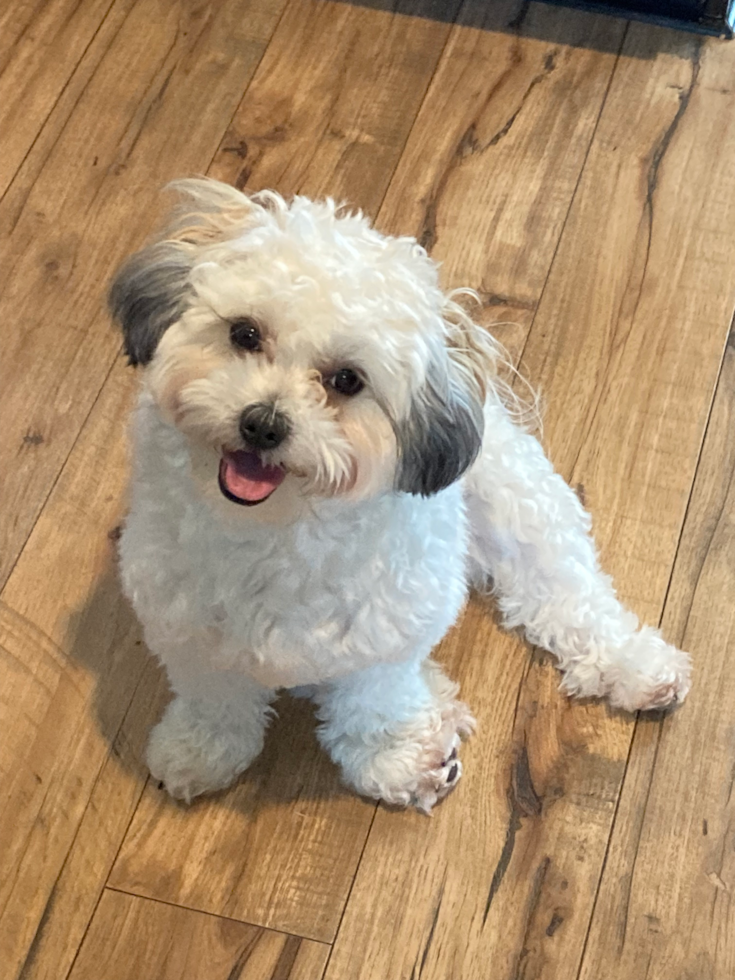
The Shih Poo has a compact, adorable appearance that can range from lightly built and curly-coated to rounder and more substantial. Adult Shih Poos commonly weigh approximately 8 to 18 pounds and stand around 8 to 15 inches tall, although individual dogs can fall outside these ranges. Their bodies may appear slightly broader through the chest, with a solid little frame that gives some Shih Poos a sturdy appearance for their height. Others develop longer legs and a lighter build, particularly when their Poodle ancestry has a stronger influence on their physical proportions. This variety means two adult Shih Poos can look quite different despite sharing the same breed combination.
One of the Shih Poo's most recognizable features is its expressive face, which can include large, round eyes, a broad forehead, and a soft arrangement of hair around the muzzle. Some have a moderately long nose and clearly defined facial proportions, while others inherit a noticeably shorter muzzle and a rounder head. The shorter-faced appearance can be especially appealing to people who love teddy bear dogs, but facial structure deserves attention beyond appearance. Dogs with shortened muzzles may be more vulnerable to breathing difficulties and heat intolerance, particularly when their airways are restricted. A Shih Poo with comfortable breathing, healthy eyes, and balanced facial proportions is far more important than achieving a particular facial shape.
The Shih Poo's coat offers plenty of variety, from soft waves and loose curls to straighter, silkier hair that can grow relatively long. A dense coat creates a full, plush outline, particularly around the ears, legs, and face, while a more loosely textured coat may fall closer to the body. Shih Poos can appear in cream, white, gold, apricot, brown, chocolate, black, gray, and numerous multicolored patterns, including dogs with contrasting patches or darker facial markings. Some puppies have striking color combinations that soften or change as their adult coats develop, so their early appearance may not reflect their final coloring. The diversity of coat types and colors gives the breed a great deal of visual character, even among dogs from the same family.
Shih Poo grooming requires consistent attention because dense, wavy, and curly coats can develop mats close to the skin if brushing is neglected. The facial hair may need additional care, particularly around the eyes and mouth, where moisture, food, and debris can collect. Many owners choose a shorter puppy cut or teddy bear trim because it maintains the breed's sweet appearance while reducing the amount of hair that needs daily maintenance. Regular professional grooming, thorough brushing, ear care, and nail trimming should be part of the routine, regardless of whether the coat is kept long or short. Like the Havapoo, the Shih Poo may leave relatively little hair on furniture, but low visible shedding should never be confused with a low-maintenance coat.
Havapoo vs Shih Poo Appearance Comparison
The Havapoo and Shih Poo can look remarkably alike, especially when both have soft curls, round haircuts, and similar coloring. Their adult weight and height ranges overlap considerably, so size alone is not a reliable way to tell them apart. The Havapoo may have a lighter outline, a more moderate muzzle, and a somewhat athletic appearance, while the Shih Poo can have a broader chest, a rounder face, and a more compact body. These differences are tendencies rather than fixed characteristics, and individual dogs can easily challenge the expected pattern. A closely trimmed coat makes their natural proportions easier to appreciate, while a fluffy haircut can conceal many of the structural differences.
The most noticeable visual contrast may appear around the face, where Havapoos tend to have moderately proportioned muzzles and Shih Poos can display a wider range of facial shapes. A Shih Poo with a longer muzzle may look remarkably similar to a Havapoo, particularly if both have wavy hair and hanging ears. Meanwhile, a Shih Poo with a shorter, broader face may have a noticeably rounder expression that gives it a different appearance. Eye shape, ear placement, and coat texture also influence the overall impression, but these characteristics vary too much to provide definite identification. For prospective owners, the better approach is to appreciate the range of appearances within each breed rather than expect every puppy to match one familiar image.
Coat care is another area where the two breeds share more similarities than differences, although individual texture can influence how much daily work is required. Both can have low-shedding coats that need frequent brushing and professional trimming, and neither offers a reliable advantage for someone who wants to avoid grooming. Curly hair can trap loose strands and develop mats, while longer, softer coats may tangle around the ears, legs, and underside. Neither breed is truly hypoallergenic because dog allergens are present in dander, saliva, and other biological materials, regardless of coat type or shedding level. People with allergies should therefore avoid assuming that a Havapoo or Shih Poo will automatically be compatible with their sensitivities.
There is also a practical difference worth considering when evaluating facial structure and comfort during activity. The Havapoo typically has a moderate muzzle, which gives it a different physical starting point from a Shih Poo that inherits a shorter, flatter face. A short-muzzled Shih Poo may need greater care in warm weather and during strenuous play, although individual anatomy matters much more than the breed label. Both dogs benefit from healthy body weight, appropriate exercise, and veterinary attention to any breathing or eye concerns. Appearance is certainly part of the attraction of these breeds, but comfortable movement, healthy structure, and manageable grooming needs should carry equal weight in the decision.
Havapoo vs Shih Poo Temperament
Personality is where the Havapoo and Shih Poo reveal some of their most interesting differences. Both are affectionate companions that enjoy spending time with their families, but their energy, enthusiasm for activities, and approach to training can create different experiences for owners. The Havapoo tends to have a cheerful, curious nature that encourages interaction, while the Shih Poo may lean toward a somewhat quieter style of companionship. Neither description fits every individual, but these tendencies offer a helpful picture of what daily life with each breed may feel like.
Havapoo Temperament
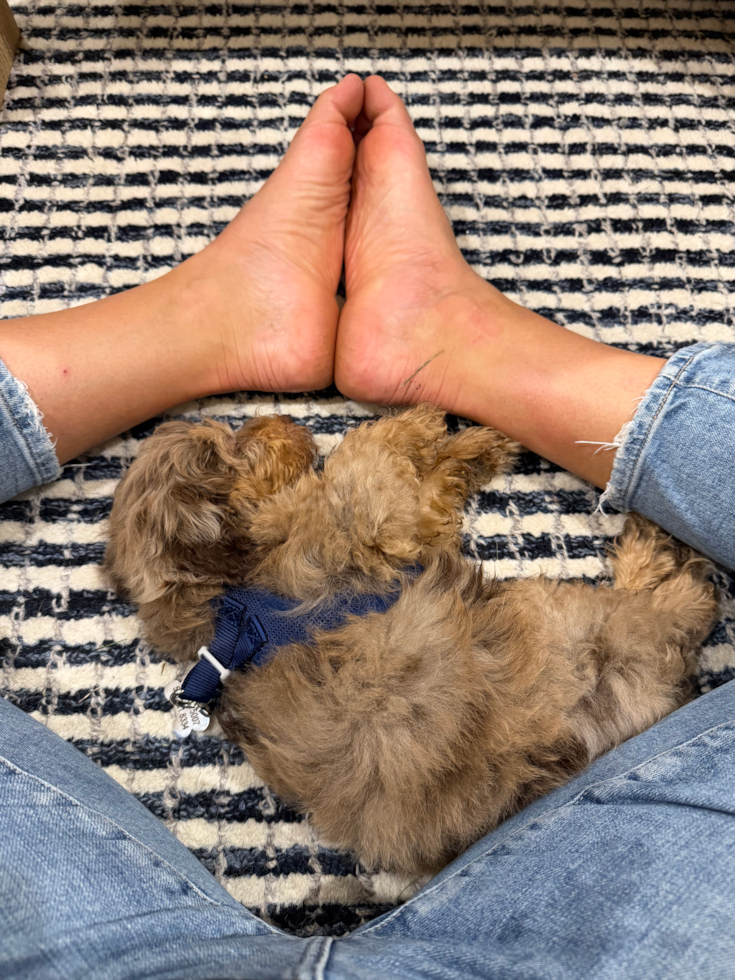
The Havapoo has an affectionate, cheerful temperament that makes it a delightful companion for people who enjoy an interactive relationship with their dog. These little dogs tend to take a genuine interest in household activities and frequently seek opportunities to join whatever their families are doing. A Havapoo may happily follow someone from the kitchen to the living room, settle nearby for a quiet moment, and then show immediate enthusiasm when a favorite toy appears. Their playful nature gives them a lively presence without necessarily demanding the intensity associated with highly active working breeds. For owners who enjoy a companion with curiosity, warmth, and plenty of personality, the Havapoo has much to offer.
Havapoos enjoy daily activity and tend to respond well to a routine that includes walks, playtime, and opportunities to use their minds. A healthy adult may appreciate around 30 to 60 minutes of exercise throughout the day, although age, physical condition, and individual energy influence the ideal amount. Short games of fetch, gentle exploration, puzzle toys, and interactive activities can provide variety without requiring extensive outdoor space. Their enthusiasm can make walks particularly enjoyable because they have opportunities to investigate new surroundings and experience the world alongside their owners. At home, a Havapoo that receives adequate activity and attention can settle comfortably, although a bored youngster may seek entertainment through barking, stealing objects, or other unwanted behaviors.
Training is one of the Havapoo's appealing qualities because many individuals enjoy the attention and rewards associated with learning new skills. Positive reinforcement, clear expectations, and short, enjoyable lessons can help establish reliable habits while strengthening the relationship between dog and owner. Basic obedience, polite leash manners, recall, and simple tricks offer useful opportunities to develop confidence and cooperation. House training requires consistency and patience, especially during puppyhood, when small bladders and immature routines make frequent bathroom breaks necessary. Havapoos can learn quickly, but their intelligence does not remove the need for repetition, clear boundaries, and regular practice as they mature.
The Havapoo's sociable nature makes early exposure to people, sounds, places, and other animals particularly valuable. Puppies that experience the world through calm, positive interactions have better opportunities to develop confidence and comfortable social habits. Havapoos can enjoy life with children and other pets, provided introductions are appropriate and interactions respect the dog's small size and individual comfort. Their attachment to family members also means they benefit from gradual practice with short periods alone, since constant companionship during puppyhood can make later independence more difficult. With thoughtful socialization, consistent routines, and enough daily attention, a Havapoo can adapt beautifully to family life, apartment living, and a variety of household schedules.
Havapoos can also be quite expressive, and some use barking to announce visitors, unfamiliar sounds, or exciting activity outside the home. Their alertness does not automatically mean they will be noisy companions, since behavior depends on temperament, environment, and the habits owners encourage. A puppy that learns to respond calmly to ordinary sounds has a better foundation for peaceful apartment life than one whose every alert receives an excited reaction. Adolescence can temporarily test established manners as curiosity and confidence increase, making continued training important even after the puppy has mastered basic commands. Owners who appreciate the Havapoo's lively personality while guiding it with patience are likely to find a rewarding balance between playfulness and good household behavior.
Shih Poo Temperament
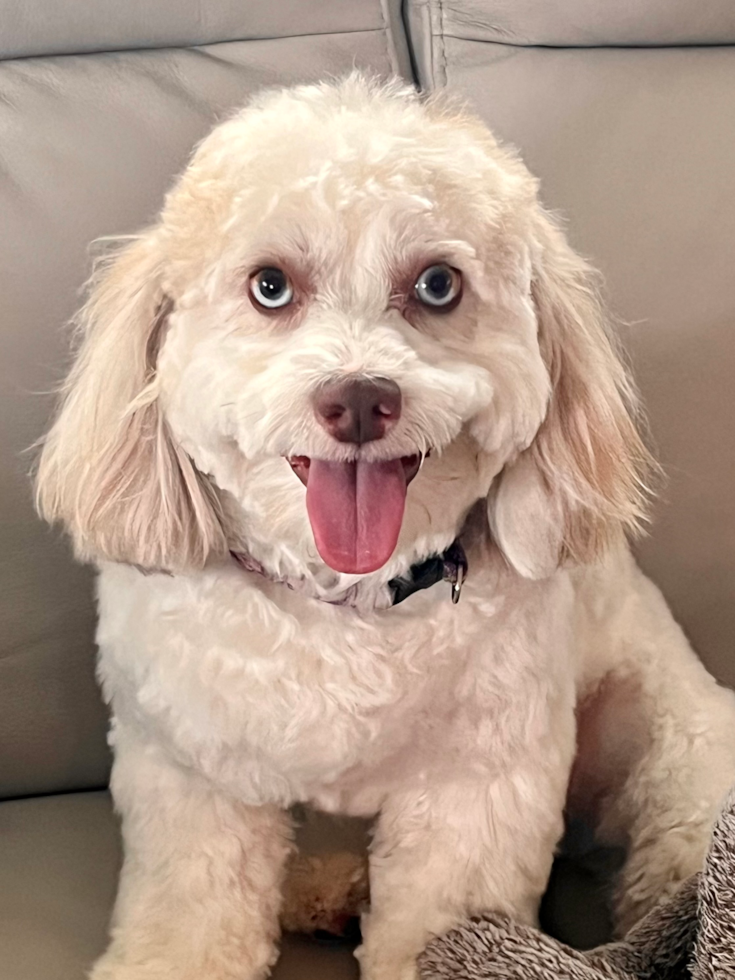
The Shih Poo is an affectionate, people-loving companion with a personality that can combine sweetness, playful curiosity, and an appealing streak of independence. Many enjoy close physical contact and are happiest when they have a comfortable place near their favorite people. A Shih Poo may spend part of the afternoon curled up beside someone on the couch, then eagerly join a game or greet a family member with enthusiastic affection. Their enjoyment of companionship does not mean they lack energy or personality, since some can be surprisingly lively and mischievous. What attracts many owners is their ability to participate in family life while also appreciating periods of quiet relaxation.
Exercise needs are moderate for most Shih Poos, with approximately 20 to 40 minutes of daily activity serving as a reasonable starting point for many healthy adults. Short walks, indoor games, and gentle play sessions can provide enough physical exercise when combined with appropriate mental stimulation. Some Shih Poos enjoy longer outings and energetic games, while others prefer a slower routine with more opportunities to rest between activities. Dogs with shorter muzzles deserve particular attention during warm weather because their facial structure may affect how comfortably they breathe and regulate body temperature. The ideal routine should reflect the individual dog's enthusiasm, physical abilities, and comfort rather than a rigid daily exercise target.
Shih Poos are intelligent dogs that can learn household manners, commands, and enjoyable tricks through positive, consistent training. Some approach lessons with enthusiasm, while others may lose interest when exercises become repetitive or rewards are not particularly appealing. Patient instruction, short sessions, and meaningful rewards tend to work better than pressure or frustration, especially with a dog that shows a more independent personality. House training can require persistence, and owners should establish a dependable routine from the beginning rather than assume a small companion will automatically adapt to indoor rules. With clear expectations and encouragement, a Shih Poo can develop excellent manners while preserving the playful personality that makes the breed so endearing.
The Shih Poo's strong attachment to people makes companionship an important part of its emotional well-being. Many enjoy being near family members throughout the day, and some may protest when left alone before they have learned that short separations are safe and predictable. Gradual independence training, comfortable resting spaces, and appropriate enrichment can help a puppy develop greater confidence when its family is temporarily unavailable. Shih Poos can also be alert to visitors and unfamiliar noises, which may result in barking if excitement or uncertainty goes unaddressed. Early socialization and calm household routines help teach the difference between ordinary activity and situations that genuinely require attention.
Shih Poos can make lovely companions for children and other household pets, particularly when introductions are gentle and interactions are supervised. Their affectionate personalities can create close family relationships, although their small size means they still need protection from rough handling and accidental injury. Some individuals welcome playful attention from older children, while others prefer quieter interactions and a comfortable place to retreat when the household becomes busy. Their confidence around other dogs and cats develops through temperament, prior experiences, and the quality of introductions rather than breed expectations alone. The Shih Poo is at its best in a home that respects its need for affection, appreciates its individual personality, and offers companionship without overwhelming it.
Havapoo vs Shih Poo Temperament Comparison
The clearest difference between the Havapoo and Shih Poo is the way their personalities may shape the rhythm of everyday life. The Havapoo tends to show greater enthusiasm for interactive activities, with a curious nature that can encourage frequent games, exploration, and participation in household routines. The Shih Poo may have a slightly more relaxed approach, with equal affection for its family but less interest in prolonged activity. Neither temperament is better in every situation, and individual dogs can display a wide range of energy levels. The distinction matters most when owners consider how much time they want to devote to active interaction and how they prefer to spend ordinary days at home.
For someone who enjoys training, the Havapoo may offer a particularly engaging experience because its interest in interaction can make lessons feel like a shared game. A Shih Poo can be equally capable of learning commands and household manners, although some require more patience when a task fails to capture their attention. Both benefit from reward-based methods, consistent expectations, and regular opportunities to practice useful behaviors in different environments. First-time dog owners can succeed with either breed, provided they understand that small dogs need proper training and socialization just as much as larger companions. The Havapoo may appeal more to someone who looks forward to teaching tricks and encouraging active participation, while the Shih Poo may suit an owner who prefers shorter, less demanding sessions.
Apartment living is possible with either breed because their small size allows them to exercise and relax comfortably in limited indoor space. The more important consideration is whether the dog receives enough attention, outdoor activity, mental stimulation, and guidance around household noises. Havapoos may be especially attentive to movement and sounds around the home, while Shih Poos can also announce visitors or react to unfamiliar activity. Neither should be considered naturally silent, and a quiet adult temperament develops through individual disposition, appropriate training, and daily habits. Owners who live close to neighbors should give particular attention to calm behavior, comfortable periods alone, and rewarding quiet responses to ordinary sounds.
Families with children may appreciate the Havapoo's enthusiasm for play and its willingness to participate in games that involve toys, simple commands, and interactive attention. Shih Poos can also enjoy family activities, although individuals with a quieter temperament may prefer gentler play and more frequent opportunities to rest. Children should learn to respect the dog's personal space, avoid rough handling, and allow the puppy to approach interactions at a comfortable pace. The same principles apply when introducing either breed to cats or other dogs, since a successful relationship depends on compatible personalities and carefully managed experiences. A calm Shih Poo may fit wonderfully with a relaxed household pet, while an energetic Havapoo may particularly enjoy a canine companion that shares its enthusiasm for play.
Both breeds also need attention to their emotional development because their affectionate personalities can make them highly dependent on human companionship. A Havapoo may seek interaction through play, movement, and attention, while a Shih Poo may express attachment through physical closeness and a preference for resting near family members. These are broad tendencies rather than fixed personality rules, and puppies should have opportunities to develop independence alongside their social confidence. Neither breed is an ideal choice for someone who expects a dog to spend long stretches alone without sufficient exercise, enrichment, and personal interaction. The happiest match is one where the dog's energy, social needs, and individual temperament complement the household's actual routine rather than an imagined ideal.
Havapoo vs Shih Poo Conclusion
Choosing between a Havapoo and Shih Poo comes down to the kind of companionship that feels most natural to your lifestyle.
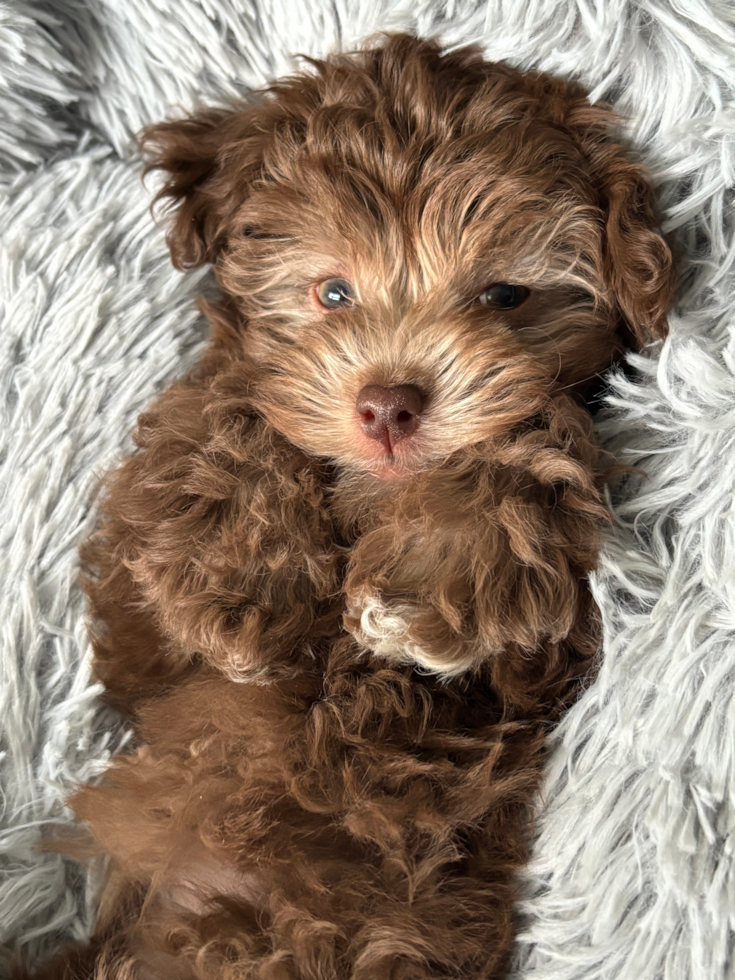
The Havapoo may be the more appealing choice if you enjoy a cheerful, interactive little dog that takes an active interest in walks, games, training, and family activities. Its curiosity and enthusiasm can create a particularly rewarding relationship for someone who wants a companion that participates in much of the day.
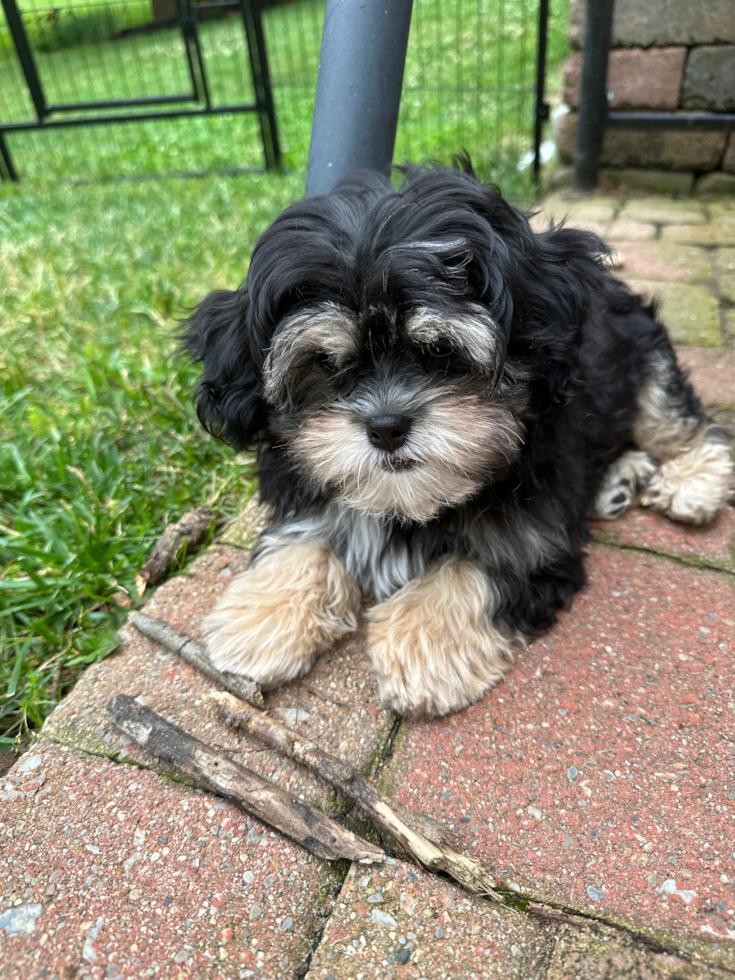
The Shih Poo may feel like a better match if you love an affectionate, playful dog but prefer a somewhat quieter daily pace with plenty of time for relaxed companionship. Both have the potential to form wonderful relationships with their families, although their individual personalities deserve just as much consideration as their breed characteristics.
Appearance and grooming should also influence the decision, particularly for owners who have a strong preference for a certain coat or facial structure. Both breeds can have beautiful low-shedding coats, but they require regular brushing and professional grooming to stay comfortable and free of tangles. Havapoos tend to have moderately proportioned faces, while Shih Poos can display a wider range of muzzle lengths and facial shapes that may influence their exercise comfort. Families with children, apartment dwellers, and first-time owners can find a suitable companion in either breed when they are prepared to provide appropriate training, socialization, and daily care. The important part is understanding what each dog needs beyond its adorable appearance.
There is something especially rewarding about choosing a companion whose personality fits naturally into the home you already have. A playful Havapoo can bring wonderful energy to a family that enjoys interaction and shared activities, while a sweet Shih Poo may offer exactly the affectionate, easygoing presence that another household prefers. Neither choice should depend entirely on the expectation of a particular coat, size, or temperament, because individual dogs can differ considerably as they mature. What matters most is finding a healthy, well-socialized puppy whose needs and personality align with the time, attention, and affection you can offer. With that understanding, either a Havapoo or Shih Poo can bring years of companionship, laughter, and those small everyday moments that make life with a dog so special.
Frequently Asked Questions
What is the main difference between a Havapoo and a Shih Poo? The main difference between a Havapoo and a Shih Poo is their overall personality and physical appearance, although individual dogs can vary considerably. Havapoos tend to have a lively, curious temperament and may show greater enthusiasm for games, training, and interactive activities. Shih Poos can have a slightly more relaxed personality, with a strong preference for close companionship and a somewhat quieter daily routine. Havapoos also tend to have moderately proportioned muzzles, while Shih Poos may develop shorter faces and more compact builds.
Which is smaller, a Havapoo or a Shih Poo? Havapoos and Shih Poos have very similar adult size ranges, and neither breed is consistently smaller than the other. Havapoos commonly weigh around 7 to 20 pounds, while Shih Poos tend to fall between approximately 8 and 18 pounds, although larger or smaller individuals are possible. Their heights also overlap considerably, with many adults standing around 8 to 15 inches tall. The size of the individual dog depends on genetics and development, so breed labels alone cannot reliably predict exact adult measurements.
Are Havapoos and Shih Poos hypoallergenic? Havapoos and Shih Poos are associated with low-shedding coats, but neither breed is truly hypoallergenic or guaranteed to be suitable for people with dog allergies. Both can develop curly or wavy hair that releases relatively little visible shedding around the home. However, dog allergens are present in dander, saliva, and other biological materials, so shedding alone cannot determine whether a person will experience an allergic reaction. Anyone with significant allergies should seek medical guidance and assess their individual sensitivity rather than rely on a breed's reputation for low shedding.
Which needs more grooming, a Havapoo or a Shih Poo? Both breeds require regular grooming, and the amount of maintenance depends more on coat length and texture than on the breed name. A curly Havapoo may need frequent brushing to prevent mats close to the skin, while a Shih Poo with dense, soft hair can develop tangles around the ears, legs, and underside. Shih Poos may need additional facial care, particularly when they have heavy hair around the eyes or a shorter muzzle. Shorter pet trims can make grooming easier for either breed, but professional grooming and consistent home care are still necessary.
Is a Havapoo or a Shih Poo easier to train? Havapoos may have a slight advantage in training enthusiasm because many enjoy interactive lessons and show a strong interest in rewards and human attention. Shih Poos are also intelligent and capable of learning commands, although some display a more independent approach and may need additional encouragement. Positive reinforcement, patience, and consistent routines are essential for both breeds, especially during puppyhood and house training. Owners who enjoy teaching tricks and practicing new skills may particularly appreciate the Havapoo's enthusiastic personality.
Which is more energetic, a Havapoo or a Shih Poo? The Havapoo tends to have a somewhat higher activity level, particularly when it has an enthusiastic, playful personality. Many healthy adult Havapoos enjoy approximately 30 to 60 minutes of daily activity, while Shih Poos may be comfortable with around 20 to 40 minutes of walks and play. These figures are flexible estimates, and individual dogs may need more or less exercise depending on their age, health, and physical abilities. A Havapoo may appeal more to someone who enjoys frequent interactive activities, while a Shih Poo can be a lovely choice for a household that prefers a quieter pace.
Are Havapoos or Shih Poos better for apartment living? Both Havapoos and Shih Poos can adapt very well to apartment living because of their compact size and manageable space requirements. The Shih Poo may suit a particularly relaxed household, while the Havapoo can enjoy apartment life when it receives sufficient walks, playtime, and mental stimulation. Barking habits, social confidence, and the ability to settle comfortably indoors are more important than a small difference in exercise needs. With appropriate training and regular attention, either breed can make a wonderful companion for someone who lives in an apartment or smaller home.
Are Havapoos and Shih Poos good with children and other pets? Havapoos and Shih Poos can develop wonderful relationships with children and other household pets when they receive appropriate socialization and gentle introductions. Havapoos may particularly enjoy interactive games with older children, while Shih Poos can offer affectionate companionship to families that appreciate a somewhat calmer dog. Both breeds are small enough to be injured through rough handling, so children should learn how to interact respectfully and recognize when the dog needs space. Their compatibility with cats and other dogs depends on individual temperament, previous experiences, and the way relationships are introduced and managed.
Do Havapoos and Shih Poos bark a lot? Havapoos and Shih Poos can both be alert dogs that use barking to communicate excitement, uncertainty, or the arrival of visitors. A Havapoo's curious personality may make it especially attentive to activity around the home, while a Shih Poo can also react to unfamiliar sounds or changes in its environment. Neither breed should be considered naturally quiet or excessively vocal without regard for individual temperament and training. Early socialization, calm responses to everyday noises, and consistent reinforcement of quiet behavior can help either dog develop appropriate household manners.
Can Havapoos and Shih Poos be left alone during the day? Havapoos and Shih Poos are affectionate companion dogs that value human interaction, so neither is particularly well suited to long periods of isolation without appropriate support. Some adults can learn to relax comfortably during reasonable periods alone, but puppies need more frequent attention, bathroom breaks, and gradual independence training. A dog that receives sufficient exercise, mental stimulation, and predictable routines has a better foundation for comfortable periods of separation. Owners who work away from home should consider how they will provide companionship and care throughout the day rather than assume either breed will automatically tolerate extended solitude.