






Cockapoo Breed Information


The Cockapoo is a small, cheerful dog with a big personality and a heart full of affection. A mix between the Cocker Spaniel and the Poodle, this crossbreed brings together friendliness, intelligence, and a soft, often curly coat. Whether running through the yard or relaxing at home, Cockapoos love spending time with their people.
They fit easily into different lifestyles. Families, singles, and seniors all enjoy the Cockapoo’s easygoing nature and steady energy. These dogs do well in apartments, suburban homes, and everything in between. As long as they have attention and time to interact, they stay happy.
With their gentle eyes and playful spirit, Cockapoos offer the perfect mix of companionship and fun. They stay close, follow routines well, and bring warmth to every part of the day. From their sweet temperament to their lively charm, they shine as loyal companions in homes of all kinds.
BREED TYPE / MIX
Doodle Hybrid / Poodle crossed with a Cocker Spaniel
ENERGY
Moderate
SHEDDING
Minimum
TRAINING
Determined
TEMPERAMENT
Outgoing, Intelligent, Friendly, Loving, Active
ADULT WEIGHT
12-25 lbs
ADULT HEIGHT
10-15 in
LIFE SPAN
13-16 yrs
Characteristics
- Friendly and outgoing – Cockapoos enjoy meeting people and tend to greet new faces with a wagging tail and cheerful energy. They adjust well to different social settings.
- Smart and eager to learn – This breed responds quickly to training and enjoys picking up new commands. Clear instruction and consistent routines help them succeed.
- Loving and loyal – Cockapoos form strong bonds with their families. They stay close and look for attention throughout the day.
- Low-shedding and soft-coated – Most Cockapoos have a wavy or curly coat that sheds less than many other breeds. Regular brushing keeps it in good shape.
- Playful and lively – They enjoy toys, games, and short bursts of activity. Their energy level stays manageable, and they know how to settle down when it’s time to rest.
- Good with kids and other pets – Cockapoos get along well with children and usually do fine in homes with other dogs or cats, especially when introduced early.
- Adaptable in different homes – They adjust easily to both quiet households and active ones. As long as they get attention and daily movement, they stay content.
- Emotionally in tune – Cockapoos often pick up on the moods of their owners. They enjoy closeness and do best in warm, connected environments.
- Moderate barkers – They may alert their family to new sounds or visitors but don’t tend to bark without reason.
Appearance
The Cockapoo has a soft, expressive look that reflects its warm and playful nature. As a cross between the Cocker Spaniel and the Poodle, the Cockapoo’s appearance blends traits from both parent breeds. While individual dogs vary, most carry a sweet, round face, a soft coat, and a sturdy, compact frame.
Cockapoos come in several sizes, depending on the size of the Poodle parent. Most stand between 10 and 15 inches tallat the shoulder and weigh anywhere from 12 to 25 pounds. Their build stays well-balanced, with enough strength to stay active but light enough to move easily around the home. They often have a square or slightly rectangular body, a gentle slope to the back, and well-proportioned legs.
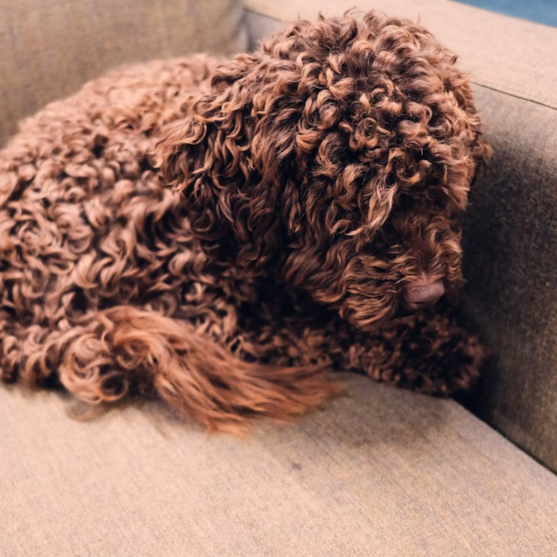
One of the most noticeable features is the coat. Cockapoos usually have a wavy or curly coat that feels soft to the touch. It tends to be low-shedding and can range from loose, fluffy waves to tighter curls, depending on genetics. While their coat is often easier on allergy sufferers, it still needs regular care to stay healthy. The coat grows continuously and benefits from regular brushing and trims to prevent matting and overgrowth.
Color variety is wide. Cockapoos can come in solid colors like cream, black, chocolate, red, or white, and they also appear in mixed shades and patterns such as apricot, sable, merle, phantom, or parti-colored combinations. The diversity in appearance adds to their appeal, as no two Cockapoos look exactly alike.
Their face tends to be round and open, with large, dark eyes that give them a warm and affectionate expression. The ears hang low and sit close to the cheeks, covered in soft fur that frames the face gently. Many Cockapoos have a slightly longer muzzle than a Cocker Spaniel but shorter than a typical Poodle, offering a balanced look that keeps their expression friendly and approachable.
The tail may be naturally long or docked, depending on the breeder and region. In motion, the Cockapoo moves with a light, springy step that reflects its happy temperament. Whether running in the yard or relaxing indoors, this breed carries itself with charm and confidence.
Temperament
The Cockapoo is a people-oriented dog with a bright, cheerful personality and a strong desire to connect. Friendly, alert, and full of charm, this breed brings a steady mix of energy and affection into any home. Whether curled up on the couch or chasing a toy across the yard, Cockapoos stay close and engaged.
They form strong bonds with their families and show affection in simple, everyday ways. They follow their people from room to room, watch for cues, and often wait quietly for a signal to join in. Their loyalty runs deep, and they rarely stray far from the people they trust.
Cockapoos do especially well in social households. They enjoy meeting new people and rarely act shy or withdrawn. While some may show brief caution in new situations, they warm up quickly when treated with kindness. With the right early experiences, they develop into friendly, well-adjusted companions who feel comfortable in a wide range of environments.
Their playful nature adds to their appeal. Cockapoos enjoy games and light activity but also know when to settle down. This balance helps them thrive in homes with kids, other pets, or a relaxed routine. They tend to adapt easily and respond well to structure without losing their happy, curious spark.
Cockapoos are also emotionally in tune with the people around them. They pick up on moods, mirror energy levels, and often stay nearby when someone needs quiet support. This emotional awareness makes them excellent comfort dogs and loyal day-to-day companions.
They don’t bark excessively but may alert their family when someone approaches the door or a new sound catches their attention. With guidance, they learn when to speak up and when to stay calm, which makes them well-mannered in both quiet and busy homes.
At their core, Cockapoos are affectionate, sociable, and easy to live with. They bring joy and balance to households of all sizes and stay connected to the people who care for them.
Care
Grooming
The Cockapoo has a coat that needs regular care to stay healthy and comfortable. Most Cockapoos have a soft, wavy, or curly coat that grows continuously and sheds very little. While this makes them a good option for allergy-sensitive homes, it also means they need consistent grooming to avoid mats and keep their coat looking its best.
Brushing two to three times a week works well for most Cockapoos. This helps remove loose hair, smooth out tangles, and prevent buildup close to the skin. Dogs with tighter curls or thicker coats may need daily brushing, especially around the ears, legs, and tail, where mats tend to form first. A slicker brush and a wide-tooth comb are helpful tools for reaching through the layers of fur without pulling or causing discomfort.
Professional grooming every six to eight weeks keeps the coat at a manageable length. Many owners choose a tidy, low-maintenance cut that makes it easier to care for the coat between appointments. Groomers also trim around the eyes, clean the ears, and keep the nails short, which helps with both hygiene and comfort.
Bathing every few weeks keeps the coat clean and soft. Cockapoos benefit from gentle, dog-specific shampoos that protect the skin without stripping away natural oils. After a bath, drying the coat thoroughly helps maintain its texture and prevents tangles from forming as the fur dries.
Ear care is especially important for Cockapoos. Their floppy ears hold in moisture, and that can lead to infections if not cleaned regularly. A quick weekly check, followed by a gentle wipe with a vet-approved ear cleaner, helps keep the ears clear and healthy.
Nail trimming is another part of the routine. If nails grow too long, they can affect posture and cause discomfort. Most Cockapoos need their nails trimmed every three to four weeks, depending on how much outdoor activity they get on hard surfaces.
Exercise Needs
The Cockapoo has a playful nature and a steady energy level that fits into many lifestyles. This breed enjoys movement and mental stimulation but doesn’t need extreme activity to stay healthy. Daily walks, short play sessions, and light mental challenges keep them balanced, calm, and well-behaved.
Most Cockapoos do well with 30 to 60 minutes of daily exercise. This can include a walk around the block, a few games of fetch in the yard, or time at the dog park. They enjoy variety and stay more engaged when their routine changes from time to time. A new walking route or a different game adds just enough excitement to keep them interested.
In addition to physical activity, Cockapoos benefit from daily mental stimulation. They are quick thinkers and enjoy puzzle toys, hide-and-seek, or short training exercises that challenge their focus. These activities reduce boredom and help prevent unwanted behavior around the house.
Cockapoos stay active indoors as well. They often bring a toy to their owners, run short laps during playtime, or follow the family from room to room. They don’t need large spaces to stay happy—what matters more is consistent interaction and time to move each day.
This breed adapts easily to the pace of the household. In busy homes, they join the action and stay energized. In quieter spaces, they enjoy gentle strolls and calm routines. As long as they receive steady attention and light activity, they remain content and connected.
Health
The Cockapoo is a generally healthy breed with a strong background, but like all dogs, it has a few health considerations that owners should keep in mind. Because this breed is a cross between the Cocker Spaniel and the Poodle, it may inherit certain tendencies from either side. With responsible breeding and regular veterinary care, most Cockapoos enjoy a long and active life.
One area to watch is ear health. Cockapoos have long, floppy ears that limit airflow and can trap moisture, which may lead to ear infections. Weekly ear checks and gentle cleaning help prevent irritation and buildup.
Cockapoos are also prone to dental issues. Their smaller jaws can crowd teeth and lead to plaque, tartar, and gum sensitivity. Brushing a few times each week and providing dental chews supports long-term oral health.
Some Cockapoos experience skin sensitivities or food allergies. These may show up as itching, ear problems, or occasional stomach upset. A stable diet with high-quality ingredients usually keeps symptoms under control. For dogs with recurring issues, a vet may recommend a special diet or allergy testing.
Joint support is another part of Cockapoo health. Some dogs may develop patellar luxation, a condition where the kneecap shifts out of place. Keeping a healthy weight and providing moderate daily exercise helps reduce stress on the joints and supports long-term mobility.
Lifespan
The Cockapoo typically lives between 13 and 16 years, with many dogs staying healthy and active well into their senior years. This strong lifespan reflects the breed’s balanced background and its ability to adapt well to different homes and routines.
A long life begins with a solid foundation. Good nutrition, steady exercise, regular checkups, and a calm, loving environment all play a role in helping a Cockapoo thrive. Early habits often shape long-term health, so routines built around care and consistency make a difference as the dog grows older.
As Cockapoos move into their senior years, they often remain alert, gentle, and attached to their family. While they may slow down or nap more often, their desire to stay close and be involved doesn’t fade. Many older Cockapoos continue to enjoy light walks, quiet play, and everyday companionship with the same affection they showed as puppies.
Veterinary care becomes more important with age. Annual exams may shift to twice a year, and adjustments in diet or supplements may help with joint comfort and mobility. Regular screenings help spot small changes early, so they can be managed with ease and care.
Cockapoos who receive the right attention and a strong sense of routine often age gracefully. They stay engaged, connected, and emotionally present through every stage of life, making them lifelong companions in every sense.
Training
The Cockapoo is one of the easiest breeds to train. With intelligence from the Poodle and eagerness from the Cocker Spaniel, this dog learns quickly and enjoys the process. Clear instruction, consistent routines, and plenty of encouragement lead to reliable results at every stage.
Puppies respond best to short, focused sessions built around basic commands. Sit, stay, come, and leave it are good places to start. Cockapoos enjoy praise and positive feedback, so simple rewards like treats or kind words go a long way. Keeping sessions brief and upbeat helps them stay engaged without losing interest.
House training also tends to go smoothly. A regular schedule, close supervision, and access to the same potty area each time create strong habits early on. Most Cockapoos settle into a reliable bathroom routine within the first few weeks, especially when owners stay consistent.
Socialization should begin early. Gentle introductions to new people, pets, places, and sounds help the dog grow into a calm, confident adult. Cockapoos naturally enjoy company, but early exposure helps reduce the chances of anxiety or shyness in unfamiliar settings.
Leash training often comes easily. Most Cockapoos stay close to their owners and don’t pull excessively. With a steady pace and positive reinforcement, they learn how to walk politely in public. A well-fitting harness offers extra control without strain.
Beyond the basics, Cockapoos enjoy learning new tricks and more advanced skills. They pick up patterns quickly and stay motivated during interactive games or problem-solving exercises. This natural curiosity makes them a good fit for activities like agility, rally obedience, or therapy work.
Their friendly personality, strong memory, and willingness to listen make them ideal students for dog owners of any experience level.
History
The Cockapoo is one of the earliest and most well-established designer dog breeds, with roots going back to the 1950s in the United States. The goal behind the mix was simple: combine the gentle, affectionate nature of the Cocker Spanielwith the intelligence and low-shedding coat of the Poodle. The result was a companion dog that brought together the best of both parent breeds.
The first known Cockapoo was the accidental result of a breeding between a Poodle and an American Cocker Spaniel. The outcome was so positive that breeders began to develop the mix intentionally. By the 1960s, Cockapoos had already started gaining popularity as a consistent and reliable companion breed, well-suited to a range of families and homes.
Unlike many newer hybrids, the Cockapoo has a long enough history that multi-generational breeding is now common. This includes F1 Cockapoos, which come from two purebred parents, as well as F1B Cockapoos, which are 75% Poodle and 25% Cocker Spaniel, and F2 Cockapoos, which come from two Cockapoo parents. These different generations help breeders achieve more predictable traits in size, temperament, and coat type.
Despite their long-standing presence, Cockapoos are not recognized as a distinct breed by major kennel clubs like the American Kennel Club (AKC). However, breed enthusiasts have formed dedicated organizations, including the American Cockapoo Club and the Cockapoo Club of America, which support ethical breeding and provide guidelines for health and temperament.
Today, the Cockapoo remains one of the most popular hybrid dogs worldwide. Its friendly nature, low-shedding coat, and adaptable personality continue to win over families, singles, and seniors alike.