









Boston Terrier Breed Information

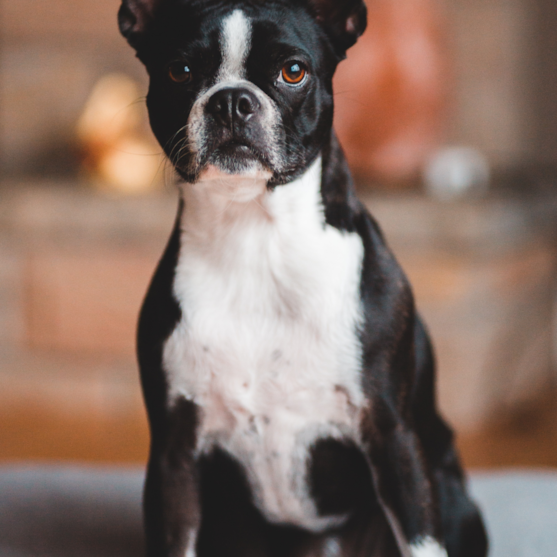
The Boston Terrier, often called the “American Gentleman,” is a small but sturdy breed known for its tuxedo-like markings, expressive eyes, and affectionate personality. Originally bred in Boston, Massachusetts, this dog quickly became a national favorite due to its charming temperament, intelligence, and adaptability. Whether as a playful companion, a devoted family pet, or a city dweller’s best friend, the Boston Terrier fits seamlessly into a variety of lifestyles.
Compact yet muscular, the Boston Terrier typically weighs between 12 and 25 pounds and stands 15 to 17 inches tall. Its smooth, short coat comes in black, brindle, or seal, always paired with crisp white markings that give the breed its signature distinguished look. Large, round eyes add to the Boston Terrier’s lively expression, while its perky ears give an alert and intelligent appearance. Despite their formal attire, these dogs have a playful, often comical nature.
Boston Terriers are known for their friendly and people-oriented disposition. They thrive in both urban and suburban environments, adapting well to apartment living as long as they get daily exercise and mental stimulation. Their gentle and affectionate nature makes them excellent pets for families, singles, and seniors alike. With their combination of intelligence, charm, and unwavering loyalty, the Boston Terrier continues to be one of the most beloved companion breeds in the world.
BREED TYPE / MIX
Purebred
ENERGY
Moderate
SHEDDING
Moderate
TRAINING
Determined
TEMPERAMENT
Affectionate, Friendly, Lively, Playful
ADULT WEIGHT
10-25 lbs
ADULT HEIGHT
15-17 in
LIFE SPAN
10-14 yrs
Characteristics
- Affectionate and Loyal – Boston Terriers form strong bonds with their families. They thrive on human companionship and often follow their owners from room to room, always wanting to be part of the action.
- Highly Intelligent – Quick learners with a natural curiosity, Boston Terriers excel in training and love engaging in mentally stimulating activities. Their intelligence makes them adaptable, but it also means they can be a little stubborn if not properly guided.
- Playful and Energetic – While not as hyper as some small breeds, Boston Terriers have a fun-loving and active nature. They enjoy games, interactive toys, and outdoor play but are just as happy curling up for a nap after a burst of activity.
- Well-Mannered and Sociable – True to their nickname, the “American Gentleman,” Boston Terriers display polite and friendly behavior. They get along well with other pets, children, and even strangers.
- Adaptable to Any Lifestyle – Whether living in a city apartment or a suburban home, Boston Terriers adjust well to different environments. They are small enough for compact spaces but sturdy enough to enjoy outdoor adventures.
- Minimal Grooming Needs – Their short, smooth coat is low-maintenance, and requires only occasional brushing to keep it clean and healthy. Unlike long-haired breeds, they don’t require frequent trimming or complex grooming routines.
- Expressive and Comical – Boston Terriers have a natural charm and a knack for making people laugh. Their wide, round eyes and expressive faces often make them appear as if they’re reacting to conversations.
- Alert but Not Yappy – This breed has a natural awareness of its surroundings and may bark to alert its family of visitors, but they are not excessive barkers. Their balanced temperament makes them good watchdogs without being overly vocal.
- Brachycephalic Considerations – With their short, pushed-in snouts, Boston Terriers are part of the brachycephalic breed group. This means they are prone to breathing difficulties, overheating, and snoring, especially in hot or humid weather. Owners should be mindful of exercise in extreme temperatures and provide plenty of cool rest areas.
Appearance
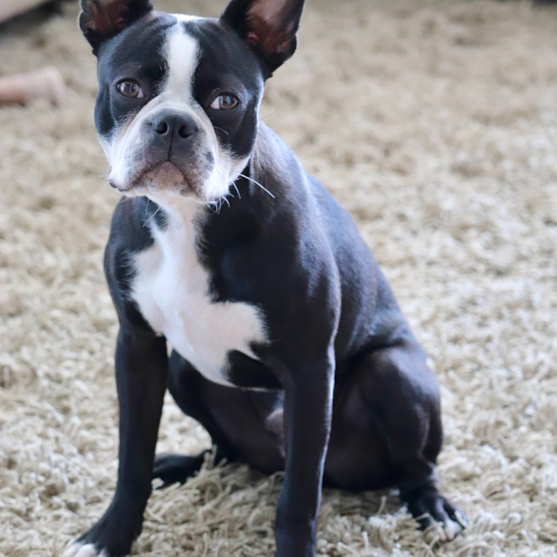
The Boston Terrier is a small, muscular breed with a compact, well-built frame and a sleek, tuxedo-like coat. Its refined proportions, straight stance, and confident posture give it a balanced and athletic look. Despite its size, the Boston Terrier has a solid, sturdy build that reflects both agility and strength.
Size and Build
Boston Terriers are small but well-proportioned, weighing 12 to 25 pounds and standing 15 to 17 inches tall at the shoulder. Their broad chest and strong limbs give them a powerful presence, while their short, square-shaped bodyallows for quick, efficient movement. Unlike toy breeds that appear delicate, the Boston Terrier is durable and athletic, built for both play and endurance.
Their movement is smooth and effortless, with a confident gait that showcases their agility. Whether trotting beside their owner or engaging in active play, they move with purpose and energy.
Coat and Coloration
A short, fine coat gives the Boston Terrier a clean, polished look. The fur lies close to the body, smooth to the touch and naturally low-maintenance. Unlike long-haired breeds, their coat does not require frequent grooming, but regular brushing keeps it healthy and free of loose hair.
Boston Terriers come in three standard colors:
- Black and White – The most well-known color pattern, creating the breed’s signature tuxedo appearance.
- Brindle and White – A mix of dark and light striping that gives the coat a richer, textured look.
- Seal and White – A deep brownish-black that appears black in most lighting but reveals a reddish tint in sunlight.
White markings on the face, chest, and legs give every Boston Terrier a distinct and symmetrical look. Their clean, crisp markings and refined coat pattern are what earned them the nickname "American Gentleman."
Facial Features and Expression
A broad, square-shaped head and large, round eyes define the Boston Terrier’s face. Their wide-set eyes give them a gaze that is thoughtful, intelligent, and full of personality. Many owners describe their Boston Terrier’s expression as almost human-like, with emotions clearly visible through their eyes.
The short, well-defined muzzle is another hallmark of the breed. As a brachycephalic dog, the Boston Terrier has a flat face with a deep stop (the indentation between the forehead and nose). While this gives them their distinct look, it also makes them prone to breathing issues and sensitivity to heat and humidity. Their black nose is broad, with slightly open nostrils that help with airflow.
The breed’s naturally erect ears sit high on the head, enhancing their alert and attentive expression. Most Boston Terriers have ears that stand up on their own as they mature.
Tail and Overall Proportions
Boston Terriers have a naturally short tail, which may be straight, screw-shaped, or slightly curved. Unlike some breeds, their tails are not docked but are simply short from birth. The tail sits low on the body and does not interfere with movement.
Temperament
The Boston Terrier is an affectionate, intelligent, and well-mannered breed with a charming and lively personality. Often described as a perfect balance of playful energy and relaxed companionship, this dog thrives in social settings and forms strong bonds with its family. Whether engaging in a game of fetch, curling up for a nap, or following its owner from room to room, the Boston Terrier is happiest when surrounded by people.
Boston Terriers are incredibly friendly dogs, eager to interact with their family, guests, and even strangers. Unlike some small breeds that can be wary of new people, Boston Terriers are naturally outgoing and enjoy meeting new friends. Their affectionate nature makes them wonderful companions for families, singles, and seniors alike.
This breed thrives on human companionship and does not like being left alone for long periods. Without enough interaction, they may become anxious or resort to excessive barking, chewing, or pacing. Boston Terriers do best in homes where they receive plenty of attention and are included in daily activities.
While they are known for their fun-loving personality, Boston Terriers are also polite and well-behaved. They love playtime, whether it’s a game of tug-of-war, a short walk, or an energetic zoom around the house. However, unlike high-energy breeds that require constant activity, Boston Terriers are happy to adjust their energy levels to match their owners. They are just as content playing as they are relaxing on the couch.
Despite their playful nature, they are not known for being hyperactive or destructive. They are naturally well-mannered dogs that respond well to training and develop strong household routines.
Boston Terriers are highly intelligent and eager to please. They quickly learn basic commands, house rules, and even tricks. Their strong desire to make their owners happy means they respond well to positive reinforcement, including treats, praise, and play rewards.
However, their intelligence also means they can be a little stubborn at times. If training lacks consistency, they may decide to test boundaries. Clear expectations, repetition, and rewards work best to keep them engaged and motivated. Training sessions should remain short and fun to prevent boredom.
Boston Terriers make excellent family dogs due to their gentle, affectionate nature. They get along well with children and often become their playful and protective companions. Their sturdy build and patient demeanor make them more tolerant of children’s play than some other small breeds.
When properly socialized, Boston Terriers also get along well with other dogs and pets. Their friendly personality allows them to integrate into multi-pet households without much difficulty. However, as with any breed, early socialization is important to ensure they develop good manners around other animals.
Boston Terriers have a natural awareness of their surroundings and will often alert their owners to visitors or unusual noises. However, they are not excessive barkers and tend to be more observant than vocal. Unlike breeds bred for guarding, Boston Terriers are not aggressive or territorial. They are more likely to greet a stranger with curiosity rather than suspicion.
Care
Grooming
The Boston Terrier is a low-maintenance breed when it comes to grooming. With its short, smooth coat, this breed doesn’t require extensive brushing or frequent trips to the groomer. However, proper care goes beyond coat maintenance. Regular attention to ears, eyes, nails, and skin ensures that a Boston Terrier stays clean, comfortable, and healthy.
Coat Care
Boston Terriers have a short, fine coat that lies flat against the body. Unlike long-haired breeds that need frequent brushing to prevent matting, a Boston Terrier’s coat is naturally low-shedding and stays sleek with minimal upkeep. A weekly brushing session with a soft-bristle brush or grooming mitt helps remove loose hair and distribute natural oils.
Though Boston Terriers don’t shed excessively, they do experience seasonal shedding in spring and fall. During these times, brushing two to three times a week helps manage loose hair and reduces the amount of fur around the house.
Bathing
Boston Terriers do not require frequent baths, as their short coat naturally repels dirt. A bath once every four to six weeks is usually enough to keep them clean. However, if a Boston Terrier gets particularly dirty or develops a doggy odor, an extra bath may be necessary.
Since Boston Terriers have sensitive skin, using a mild, hypoallergenic dog shampoo helps prevent dryness and irritation. Harsh soaps or over-bathing can strip their coat of natural oils, leading to itchy, flaky skin. After a bath, drying them thoroughly with a soft towel or low-heat blow dryer ensures that moisture doesn’t linger, which could cause discomfort.
Facial Care
One of the most distinctive features of the Boston Terrier is its large, expressive eyes. Because their eyes are slightly more prominent than in other breeds, they can be prone to tear staining and minor irritation. Wiping the face daily with a damp cloth or pet-safe eye wipes prevents tear stains from setting in and keeps the area clean.
Though not as wrinkled as some brachycephalic breeds, some Boston Terriers have slight folds around the nose and face. Dirt and moisture can build up in these areas, leading to irritation. A gentle wipe with a moist cloth once or twice a week helps prevent bacteria buildup.
Ear and Nail Care
Boston Terriers have naturally upright ears, which allow for good airflow. However, their ears can still collect wax and debris, especially if they spend time outdoors. A weekly ear check and cleaning with a vet-approved ear solutionkeeps them free of infections. Redness, bad odor, or excessive scratching may indicate an issue that requires veterinary attention.
Regular nail trimming is also crucial for Boston Terriers. Long nails can cause discomfort while walking and even lead to joint issues over time. Since Boston Terriers have small, compact feet, overgrown nails can push into the paw pads, creating pain or difficulty when moving. A trim every two to three weeks keeps their nails at a comfortable length. If their nails start making a clicking sound on hard floors, it’s time for a trim.
Dental Hygiene
Dental care is often overlooked, but it’s a vital part of grooming for Boston Terriers. Small breeds are more prone to tartar buildup, gum disease, and tooth decay, which can lead to serious health problems if left untreated. Brushing their teeth two to three times a week with a dog-safe toothpaste helps reduce plaque and keeps their breath fresh.
In addition to brushing, dental chews, water additives, and regular vet checkups contribute to good oral hygiene. By starting a dental routine early, owners can prevent common dental issues and keep their Boston Terrier’s teeth healthy well into old age.
Exercise Needs
The Boston Terrier has a moderate energy level, meaning they enjoy activity but don’t require excessive exercise to stay happy. Their playful personality makes them eager to engage in short bursts of activity, but they are just as content lounging with their owners. A daily routine of walks, playtime, and mental stimulation keeps them both physically and mentally healthy.
On average, a Boston Terrier benefits from 30 to 45 minutes of exercise per day, split between walks, play sessions, and interactive activities. Their stamina allows them to enjoy a good run or game of fetch, but because they are a brachycephalic breed, they do not tolerate extreme heat or intense workouts. Walks in cool weather, playtime indoors, and mentally stimulating games like hide-and-seek or puzzle toys provide the perfect balance of exercise.
Despite their small size, Boston Terriers are agile and quick-moving, often showing off short, high-energy sprints or "zoomies" around the house. They thrive on games that engage both their body and mind, such as fetch, tug-of-war, or agility exercises. While they enjoy a playful challenge, they don’t require a backyard to stay active. Their adaptability allows them to do just as well in apartments as they do in larger homes, provided they get enough daily movement.
Because of their social nature, Boston Terriers love going on walks with their owners. Two short walks per day, around 15 to 20 minutes each, help them release pent-up energy and satisfy their curiosity. Walks should always be done during cooler times of the day, as Boston Terriers are prone to overheating due to their short snouts. On particularly hot or humid days, they should stick to indoor activities to avoid respiratory distress.
A well-exercised Boston Terrier is a happy, well-behaved companion, but a lack of activity can lead to restlessness, barking, and destructive behavior. Without enough movement, they may become hyperactive indoors, chewing on household items or zooming around excessively. Since Boston Terriers also love food, insufficient exercise can result in weight gain, joint problems, and reduced lifespan.
Though they enjoy activity, Boston Terriers do not require intense exercise routines like some high-energy breeds. Instead, they thrive with a mix of moderate physical activity and mental engagement. A playful game, a refreshing walk, and some quality time with their owner each day keep this breed healthy, happy, and full of life.
Health
The Boston Terrier is generally a healthy and resilient breed, with a lifespan of 11 to 15 years. With proper care, regular vet checkups, and a balanced lifestyle, many Boston Terriers enjoy long, active lives well into their senior years. Like all breeds, they have specific health considerations, but responsible breeding and preventative care help minimize potential issues.
Common Health Considerations
Boston Terriers are a brachycephalic breed, meaning they have a short snout and compact skull shape. This gives them their distinctive, expressive face but also requires special attention to breathing and temperature regulation. They do best in moderate climates and should avoid excessive heat or strenuous exercise in hot weather. A comfortable, cool resting area and access to fresh water help keep them feeling their best.
Their large, prominent eyes are another signature feature that adds to their charming expression. Because their eyes are more exposed than in longer-muzzled breeds, they benefit from gentle eye care to prevent irritation from dust, wind, or minor debris. A quick daily check and an occasional wipe with a soft, damp cloth help keep their eyes bright and clear.
Some Boston Terriers may experience mild joint sensitivity as they age, particularly in the hips and knees. Keeping them at a healthy weight and ensuring they get moderate, low-impact exercise supports strong joints throughout their life. Many owners also choose to add joint-supporting supplements like glucosamine and omega-3s to their diet, which can be beneficial for long-term mobility.
Preventative Care
Routine vet visits are the best way to catch and manage potential health concerns early. Regular wellness exams, vaccinations, and dental checkups ensure a Boston Terrier stays in peak condition. Since dental health plays a significant role in overall well-being, brushing their teeth a few times a week or providing vet-approved dental chews helps keep their teeth and gums healthy.
A nutrient-rich diet also contributes to long-term health. High-quality dog food that includes lean proteins, healthy fats, and essential vitamins supports their immune system, coat health, and energy levels. Avoiding excessive treats and maintaining a proper feeding schedule helps prevent weight gain, which can put unnecessary strain on their joints and breathing.
Lifespan
The Boston Terrier lives between 11 and 15 years, with some reaching 16 or more with the right care. While genetics play a role, lifestyle choices have the biggest impact on longevity. A nutritious diet, regular exercise, routine vet checkups, and a loving home all contribute to a long, healthy life.
What Affects a Boston Terrier’s Lifespan?
Good health starts with proper breeding. A Boston Terrier from a responsible breeder has a better chance of avoiding genetic conditions that could shorten its lifespan. Ethical breeders focus on strong bloodlines, ensuring puppies grow into healthy, well-balanced dogs.
Diet is just as important. A high-quality food with lean protein, healthy fats, and essential vitamins supports everything from muscle strength to organ function. Overfeeding leads to weight gain, which puts stress on the heart, joints, and breathing. Keeping portions controlled helps a Boston Terrier stay active and strong well into old age.
Exercise plays a key role as well. Boston Terriers don’t need intense workouts, but daily walks and interactive play keep their bodies strong and minds sharp. A well-exercised dog maintains a healthy weight and better mobility throughout life.
Regular vet visits also help extend lifespan. Annual checkups, vaccinations, dental care, and early detection of age-related conditions keep Boston Terriers feeling their best. As they get older, vet visits become even more important for monitoring joint health, vision, and heart function.
Caring for a Senior Boston Terrier
Aging brings small changes, but Boston Terriers remain lively and affectionate well into their senior years. Their energy levels may slow down, but they still enjoy short walks, gentle play, and mental stimulation. Keeping them engaged and active prevents boredom and supports overall well-being.
Comfort becomes a bigger priority with age. A soft bed cushions aging joints, and slightly raised food and water bowls reduce neck strain. Adjusting their diet to include easier-to-digest foods and joint-supporting supplements helps them stay comfortable and mobile.
Training
The Boston Terrier is a smart, eager-to-please breed that picks up training quickly. While naturally well-mannered, they sometimes have a stubborn streak and need clear guidance and consistent training to develop good habits. With patience, structure, and positive reinforcement, they become obedient, well-behaved companions.
House Training
Boston Terriers are naturally clean dogs, but house training requires a structured routine to reinforce good habits. Taking them outside first thing in the morning, after meals, after naps, and before bed helps them understand when and where to go. Using the same spot each time and offering praise or a small treat after success strengthens the habit.
Crate training is another effective tool. A properly sized crate provides a safe, comfortable space while also encouraging bladder control and routine. Most Boston Terriers learn house training quickly when owners remain consistent and patient.
Obedience Training
Boston Terriers respond well to positive reinforcement and learn best when training sessions are short, fun, and engaging. Basic commands like sit, stay, come, and leave it should be introduced early, with treats and praise as rewards. Since they are highly social dogs, they enjoy learning when it feels like a game.
Although intelligent, Boston Terriers sometimes test boundaries if rules are not enforced consistently. Setting firm but gentle expectations prevents unwanted behaviors and helps them develop into well-mannered companions.
Socialization
Socialization plays a key role in shaping a friendly, well-adjusted Boston Terrier. Early exposure to different people, environments, sounds, and other animals helps them feel comfortable in new situations. Regular walks, puppy classes, and supervised playdates provide opportunities to build confidence and develop good manners.
A well-socialized Boston Terrier remains calm in public spaces, greets visitors politely, and interacts well with other dogs. Without early socialization, they may become overly excitable or hesitant in unfamiliar situations.
Managing Unwanted Behaviors
Boston Terriers are naturally well-behaved, but without guidance, they may develop undesirable habits like jumping on guests, excessive barking, or chewing household items. Clear boundaries and early correction prevent these behaviors before they become habits.
Redirecting energy into positive activities—like interactive toys, structured playtime, and obedience training—keeps their mind engaged and reduces restlessness. A well-exercised and mentally stimulated Boston Terrier is less likely to engage in problem behaviors.
Leash Training
Boston Terriers love going for walks, but without leash training, they may pull ahead or wander from side to side. A well-fitted harness provides better control than a collar and prevents unnecessary strain on their short snout.
Stopping when they pull and rewarding them for walking beside their owner teaches proper leash manners. With consistent practice, they learn to walk calmly and attentively, making daily walks more enjoyable for both dog and owner.
Training shouldn’t stop after puppyhood. Boston Terriers thrive when they continue learning throughout their lives. Reinforcing old commands and introducing new tricks keeps them engaged, strengthens the bond with their owner, and prevents boredom.
History
The Boston Terrier is one of the few truly American dog breeds, with roots tracing back to Boston, Massachusetts in the late 19th century. Originally bred as a companion and working dog, this breed quickly gained popularity for its intelligence, affectionate nature, and distinctive tuxedo-like coat. Over time, the Boston Terrier evolved from its early days as a bull-and-terrier type dog into the refined, well-mannered breed known today as the “American Gentleman.”
Origins
The Boston Terrier’s story begins in the 1860s, when a man named Robert C. Hooper of Boston acquired a dog named Judge. Judge was a cross between an English Bulldog and a now-extinct White English Terrier, and he became the foundation of what would eventually be known as the Boston Terrier breed.
Judge was a sturdy, muscular dog with a square head and strong build, resembling both of his parent breeds. He was bred with a smaller white female, and their offspring laid the groundwork for the development of a more compact, well-proportioned dog with a friendly temperament. Over time, breeders selectively refined these traits, moving away from the breed’s early bull-and-terrier ancestry to create a dog that was gentler, more social, and well-suited to family life.
By the 1880s, these early Boston Terriers had become increasingly popular in Massachusetts. Enthusiasts formed the American Bull Terrier Club, but the name led to confusion with Bull Terriers, a separate breed. To distinguish their dogs, the club renamed the breed the Boston Terrier in honor of its city of origin.
Recognition and Rise in Popularity
In 1893, the American Kennel Club (AKC) officially recognized the Boston Terrier, making it one of the first breeds developed in the United States to gain recognition. Unlike many working breeds of the time, Boston Terriers were bred primarily for companionship rather than hunting or guarding, which set them apart from other dogs.
Throughout the early 20th century, the Boston Terrier became one of the most popular breeds in America. Their small size, affectionate personality, and polite demeanor made them an ideal urban companion as more people moved into cities. Their popularity soared, and by the 1920s and 1930s, they were among the most frequently registered breeds in the country.
Boston Terriers Today
Over the years, breeders refined the Boston Terrier’s appearance, focusing on a more compact, balanced frame, a refined face, and a sleek coat. The breed’s distinctive black-and-white, brindle-and-white, or seal-and-white markings became standard, contributing to its signature tuxedo look.
Today, the Boston Terrier remains one of America’s most loved breeds. Known for its charming personality, intelligence, and adaptability, it thrives in both urban and suburban settings. It has found roles as a therapy dog, family pet, and loyal companion, proving its enduring appeal.
From its beginnings in Boston’s working-class neighborhoods to its place in homes around the world, the Boston Terrier has cemented itself as a true American classic—a breed that combines history, elegance, and an unwavering love for people.