





Published Monday, November 23, 2026 by Fairfield Furbabies
Some breed comparisons reveal obvious differences within seconds, but the Havapoo and Havachon require a closer look. These two adorable companions have similar sizes, soft coats, affectionate personalities, and a wonderful ability to make themselves part of family life. Both enjoy attention, appreciate a good game, and seem to have a natural talent for finding the most comfortable spot near their favorite people. Yet their similarities can make it easy to overlook the little differences that give each breed its own character.
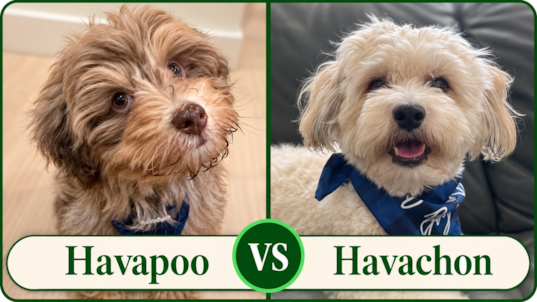
The Havapoo vs Havachon comparison is particularly interesting because the two breeds share Havanese ancestry but have developed somewhat different personalities and appearances. The Havapoo combines the Havanese with a Toy or Miniature Poodle, while the Havachon pairs the Havanese with a Bichon Frise. Both are intelligent, sociable, and playful, but the Havapoo can show a stronger interest in interactive challenges, while the Havachon is especially appreciated for its cheerful, people-oriented nature. These tendencies overlap, of course, and individual dogs can have personalities that surprise even experienced enthusiasts.
Their differences extend beyond temperament, although neither breed is dramatically larger or more demanding than the other. The Havapoo can have a wider range of coat textures and adult proportions, while the Havachon is commonly associated with a soft, plush appearance and a compact body. Grooming is important for both, and their exercise needs are remarkably similar. Understanding the details can help you appreciate what makes each dog special and decide which type of companionship feels most natural for your home.
Table of Contents
Havapoo vs Havachon Comparison Table
The Havapoo and Havachon share many characteristics, which makes a side-by-side comparison particularly useful. Their adult size ranges overlap, and both can adapt comfortably to different living arrangements when their daily needs are met. The more interesting distinctions involve coat texture, training preferences, social behavior, and the way each dog participates in everyday activities. The table below provides a practical overview of both breeds, with approximate ranges that allow for individual variation.
| Characteristics | Havapoo | Havachon |
| Parent Breeds | Havanese and Toy or Miniature Poodle | Havanese and Bichon Frise |
| Other Names | Poovanese, Havanoodle, Hava Poo | Havanese Bichon Mix, Bichon Havanese Mix |
| Adult Weight | Approximately 8–20 pounds | Approximately 9–17 pounds |
| Adult Height | Approximately 8–15 inches | Approximately 9–15 inches |
| Coat Type | Soft, wavy, curly, or occasionally silkier | Soft, fluffy, wavy, or loosely curled |
| Hypoallergenic Qualities | Low-shedding potential; no guaranteed hypoallergenic coat | Low-shedding potential; no guaranteed hypoallergenic coat |
| Grooming Needs | Brush 3–4 times weekly, more with dense curls; professional grooming about every 6–8 weeks | Brush 3–4 times weekly, more with dense curls; professional grooming about every 6–8 weeks |
| Exercise Needs | Approximately 30–45 minutes daily | Approximately 30–45 minutes daily |
| Training | Intelligent, responsive, curious, and interested in interactive lessons | Intelligent, cooperative, responsive to praise, and receptive to gentle training |
| Colors | Cream, white, black, chocolate, brown, apricot, gray, and mixed shades | White, cream, apricot, gray, black, tan, and multicolored combinations |
| Temperament | Affectionate, clever, gentle, curious, playful, and devoted | Affectionate, cheerful, friendly, patient, playful, and sociable |
| Best Fit | People who enjoy a loving companion with an interest in games, learning, and regular interaction | People who appreciate a cheerful, affectionate companion with a social nature and a comfortable daily routine |
Havapoo vs Havachon Overview
The Havapoo and Havachon belong to the modern group of companion crosses that have attracted considerable interest from families who appreciate smaller dogs. Neither has the centuries of formally documented history associated with established purebred breeds, but both have developed recognizable identities. Their popularity reflects the appeal of affectionate dogs with manageable exercise requirements, soft coats, and personalities suited to close family life. Although their histories share some similarities, each breed has developed its own following for reasons that extend beyond appearance.
Havapoo History and Popularity
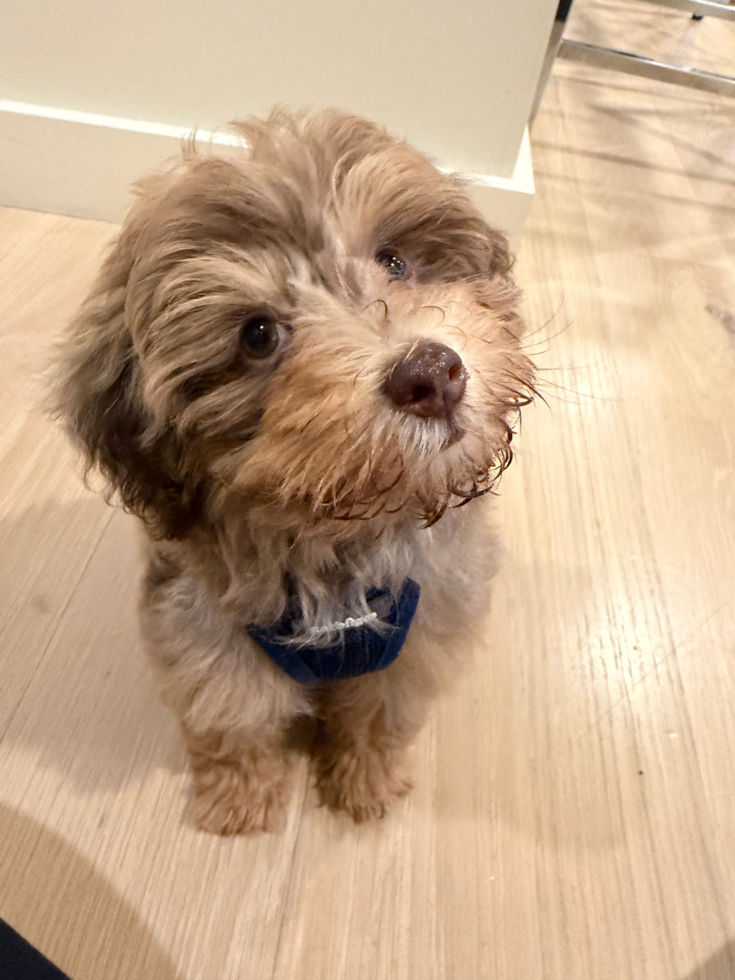
The Havapoo developed as interest in smaller Poodle crosses expanded during the late twentieth century and into the early twenty-first century. Its history is associated with the growing preference for companion dogs that offered intelligence, affectionate temperaments, and a manageable adult size. There is no single widely documented breeder or exact creation date that defines the beginning of the Havapoo. Instead, the breed developed through different breeding programs that introduced the Havanese and smaller varieties of the Poodle. This explains some of the differences in adult size, coat texture, and appearance seen among Havapoos today.
The Havapoo gradually established a following of its own as people discovered its appealing combination of companionship and intelligence. Its personality attracted owners who wanted a dog that enjoyed affection but also appreciated games, learning activities, and everyday interaction. The breed's compact size made it particularly attractive to people who wanted a companion suitable for apartment living or smaller homes. Its soft coat and variety of colors added to its visual appeal, although personality has played an equally important role in its popularity. Havapoos are now familiar members of the small Doodle family, with an identity that extends beyond their mixed ancestry.
One interesting aspect of the Havapoo's development is the variety created by the use of Toy and Miniature Poodles. Some Havapoos have very petite proportions, while others develop a slightly taller, sturdier appearance. Their coats can also differ considerably, with loose waves, soft curls, and silkier textures among the possibilities. This variety gives the breed a distinctive appeal, particularly for people who appreciate the affectionate Havapoo temperament but have different preferences for size and appearance. It also makes realistic expectations important when choosing a puppy, since not every Havapoo grows into the same type of adult dog.
Havachon History and Popularity
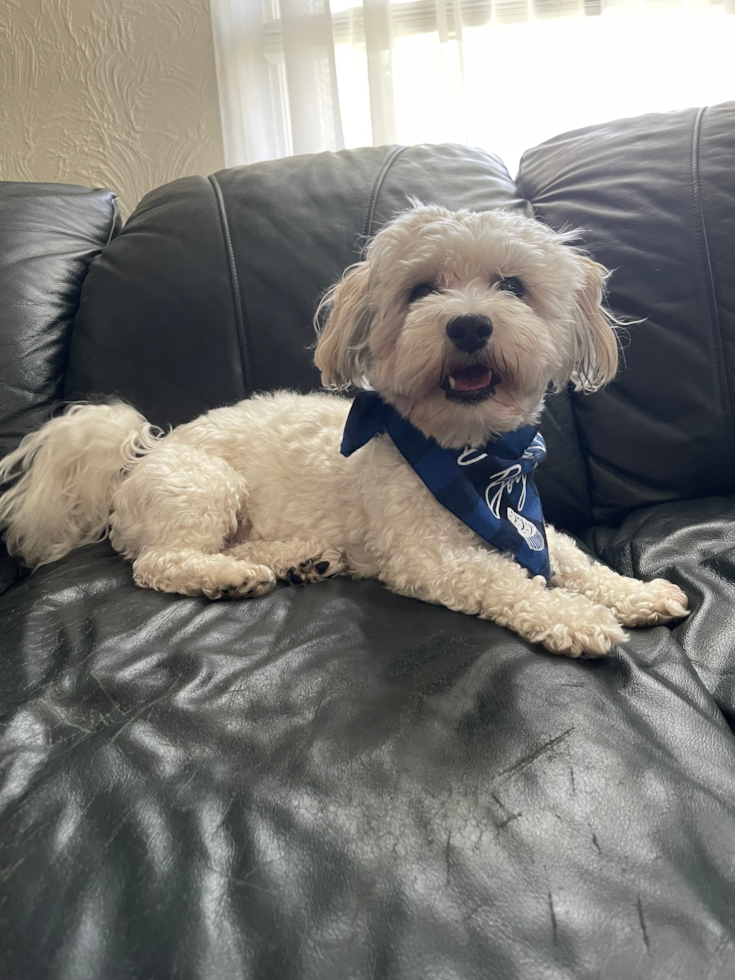
The Havachon is another modern companion cross, developed through the combination of the Havanese and Bichon Frise. Its origins are less formally documented than those of established purebred dogs, and there is no universally recognized date or individual credited with creating the first Havachon. The breed developed during a period of increased interest in small companion mixes with affectionate personalities and appealing coats. Its purpose was centered on companionship, with a particular emphasis on qualities that fit comfortably into family life. Over time, the Havachon established a recognizable identity as a cheerful, soft-coated little dog with a friendly disposition.
The Havachon's popularity has been influenced by its appearance, especially the rounded teddy bear look that many adults develop. Its fluffy coat, dark eyes, and gentle expression give it an inviting appearance that appeals to people who appreciate small companion dogs. However, its temperament deserves just as much attention as its looks. Havachons have earned a reputation for sociability, affection, and an enjoyable balance between play and relaxation. These characteristics have made the breed attractive to families, individuals, couples, and older adults who value companionship.
Unlike a purebred with a formal breed standard, the Havachon can show variation in coat texture, proportions, and personality. Some individuals have a silkier coat and a relatively light frame, while others develop a fuller, more rounded appearance. Their colors can also differ, with white and cream especially familiar but darker shades and mixed patterns equally possible. This diversity gives each Havachon its own character without changing the breed's general appeal. Its popularity continues to reflect a simple preference among dog lovers for affectionate companions that enjoy people and fit naturally into ordinary household life.
Havapoo vs Havachon Appearance
The Havapoo and Havachon share an appearance that can make them difficult to distinguish, particularly when both have similar haircuts. Their soft coats, compact bodies, expressive eyes, and dropped ears create the familiar teddy bear look that many people find irresistible. However, the way their coats grow, the shape of their bodies, and the structure of their faces can produce noticeable differences. These characteristics are particularly interesting because two puppies that look remarkably alike may develop quite different adult appearances.
Havapoo Appearance
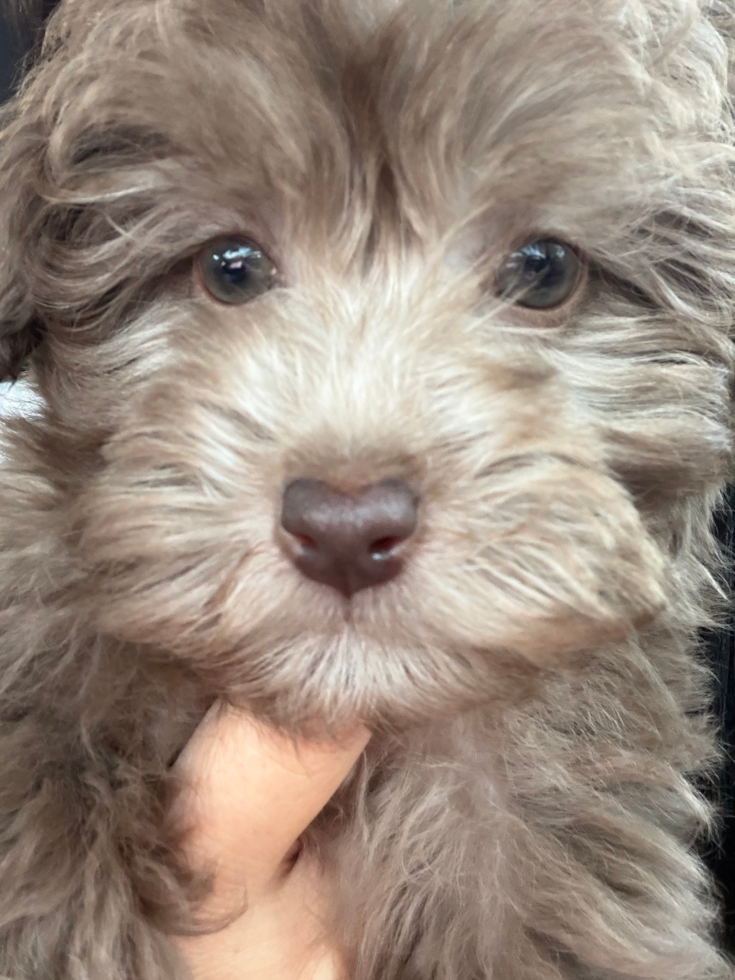
The Havapoo is a small, well-proportioned dog with a body that can range from petite and compact to somewhat taller and more substantial. Adults commonly weigh between 8 and 20 pounds and stand approximately 8 to 15 inches tall at the shoulder. A smaller Havapoo may have relatively short legs and a compact outline, while a larger individual can develop longer limbs and a more athletic appearance. Their bodies tend to look balanced beneath the coat, with enough substance to give them a sturdy presence without appearing heavy. The variation in adult proportions is one of the breed's most distinctive physical characteristics.
The Havapoo face has a soft, appealing expression, with dark eyes that give many dogs an attentive and curious appearance. Their ears hang close to the head and are commonly covered in soft waves or curls that blend into the surrounding coat. Some Havapoos have a slightly longer, more defined muzzle, while others develop a rounder face with fuller hair around the cheeks and forehead. The shape of the haircut can emphasize these differences, particularly when the facial hair is left long. Their tails may curve gently over the back or extend behind the body beneath a soft plume of hair.
Coat texture provides much of the Havapoo's visual variety, with some dogs developing loose waves and others showing more pronounced curls. A few have a silkier appearance, especially when the coat falls in softer sections rather than forming dense curls. Colors include cream, white, apricot, chocolate, brown, black, and gray, along with attractive combinations of contrasting shades. Some puppies develop lighter or slightly different coloring as their adult coats grow, so the final appearance may differ from the original puppy photographs. A Havapoo with a short, curly coat can look quite different from one with longer waves, even when their faces and body proportions are similar.
Grooming requirements depend on the coat's density, texture, and length. A Havapoo with tight curls may need more careful brushing than one with loose waves, particularly around the ears, under the legs, and close to the collar. Brushing three to four times weekly provides a practical starting point, while denser coats may require daily attention. Professional grooming every six to eight weeks helps maintain a manageable length and keeps the dog's expression neat and visible. Many Havapoos look especially appealing in a rounded puppy cut, although a slightly longer coat can show off their soft texture beautifully.
Havachon Appearance
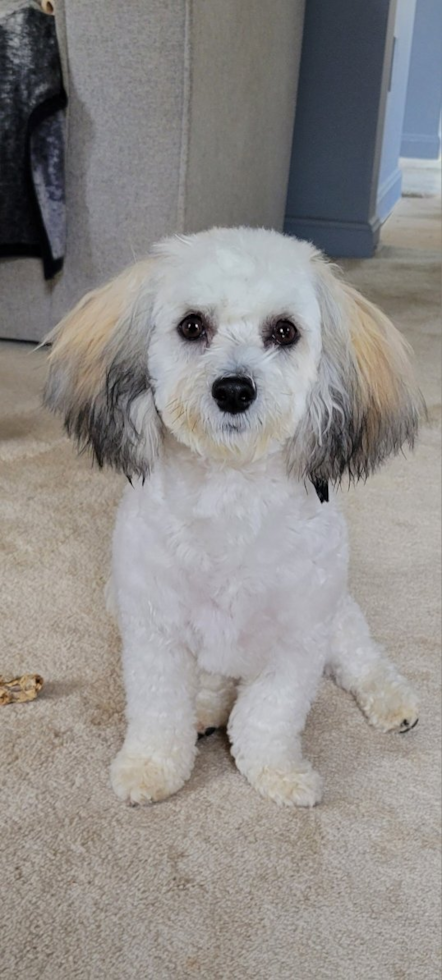
The Havachon has a compact, appealing body with a soft outline that gives many adults a plush appearance. Their weight commonly falls between 9 and 17 pounds, with a height of approximately 9 to 15 inches at the shoulder. Some Havachons have a relatively light build, while others develop a fuller chest and a more substantial appearance beneath their coat. Their legs are proportionate to their bodies, and their movement tends to be easy and comfortable. A well-groomed Havachon can look almost perfectly rounded from certain angles, although the coat contributes considerably to that impression.
The Havachon face is one of its most endearing features, particularly when the hair around the muzzle and cheeks is shaped into a soft, rounded style. Dark eyes stand out against the surrounding coat and give the dog an attentive, friendly expression. Their ears hang close to the cheeks and can disappear into the hair when the coat is left long. The muzzle is generally moderate in length, although individual facial proportions vary. A fluffy tail commonly curves over the back or toward one side and completes the breed's soft silhouette.
The Havachon's coat commonly has a plush texture, with soft waves or loose curls that create fullness around the body. Some dogs have hair that feels relatively silky, while others develop a denser, more cottony texture. White, cream, apricot, gray, black, and tan are among the familiar colors, with mixed patterns that can create attractive contrasts. A Havachon may have a mostly light-colored coat or darker markings around the ears, face, and body. The breed's rounded appearance is especially noticeable when the hair is left fuller around the head and chest.
Coat care is important because the Havachon's fluffy appearance requires regular maintenance. Longer hair can develop tangles beneath the outer layer, especially around the ears, neck, underside, and legs. Brushing three to four times each week helps keep the coat manageable, with additional attention for dogs that wear longer styles. Professional grooming approximately every six to eight weeks provides an opportunity to maintain the preferred length and shape. Some owners enjoy the classic fluffy Havachon look, while others prefer a shorter, practical trim that makes daily care easier.
Havapoo vs Havachon Appearance Comparison
The Havapoo and Havachon overlap considerably in adult size, so neither breed has a clear advantage for someone who simply wants a small dog. A Havapoo can be quite petite or reach the upper end of its 20-pound range, while Havachons commonly occupy a somewhat narrower weight range. Their heights also overlap, which means two adults can stand at nearly the same level despite having different body proportions. The distinction is more noticeable when their coats are short enough to reveal their underlying frames. A Havapoo may have a slightly leggier appearance, while a Havachon can look more compact and rounded, although neither description applies to every individual.
Coat texture offers another useful point of comparison, particularly for people who have a strong preference for curls or soft waves. Havapoos can develop tighter curls that create a more textured appearance, while Havachons commonly have a plush coat with loose waves or softer curls. However, the difference is not absolute, and both breeds can have coats that look remarkably similar. A skilled groomer can also create very different appearances through the choice of haircut, which makes photographs of adults in various styles particularly useful. Coat type should be considered individually rather than assumed from the breed name.
The grooming commitment is similar, but the work involved can feel different depending on the coat. A curly Havapoo may require careful attention close to the body, while a Havachon with a thick, fluffy coat can need extra brushing through areas where hair gathers. Neither should be chosen with the expectation of virtually maintenance-free grooming. Owners who enjoy a fuller coat should prepare for more frequent brushing, regardless of which breed they prefer. If convenience matters more than coat length, a shorter trim offers a practical option for both.
Havapoo vs Havachon Temperament
The Havapoo and Havachon have affectionate personalities and a genuine appreciation for human companionship, but their individual habits can create different experiences at home. Both enjoy attention, respond to familiar people, and appreciate activities that bring them into the daily life of the household. Their personalities are friendly and playful without the intense exercise requirements associated with larger working dogs. The interesting differences appear in how they respond to activities, what captures their interest, and the type of interaction they seem to enjoy most.
Havapoo Temperament
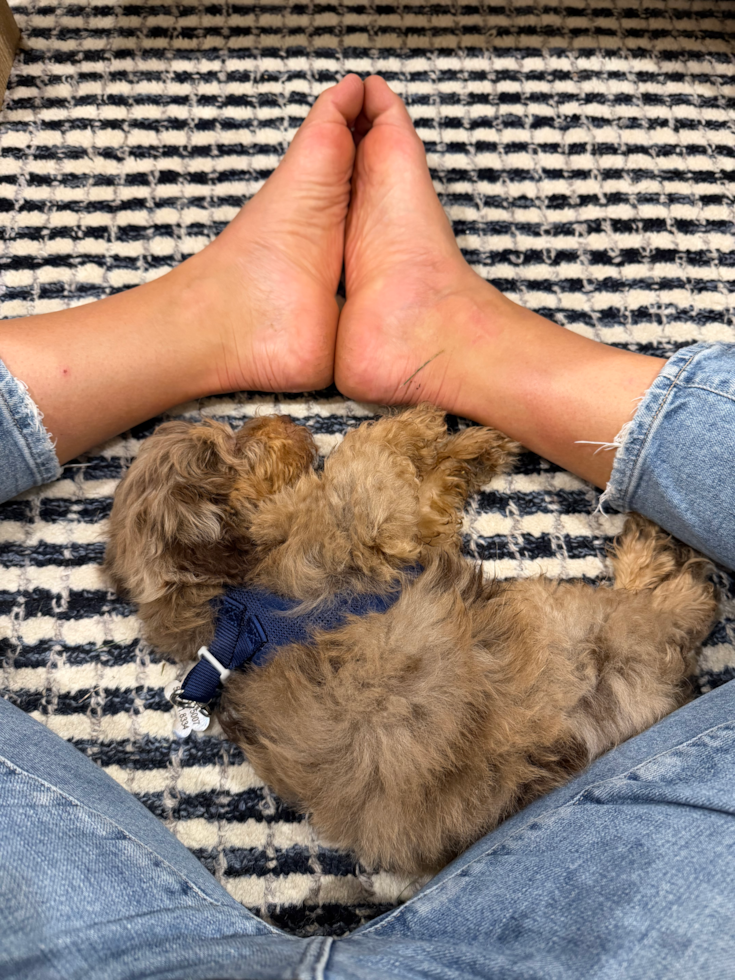
The Havapoo has a gentle, affectionate temperament with a curious side that makes everyday interaction especially enjoyable. These dogs appreciate companionship and tend to notice what their owners are doing, particularly when an activity involves toys, treats, or familiar routines. A Havapoo may show interest in a new object, investigate a different sound, or recognize the small signals that precede an enjoyable activity. Their attention to detail can make them entertaining companions, especially for owners who appreciate a dog that likes to participate. This curiosity is one of the breed's most appealing characteristics.
Many Havapoos enjoy activities that involve a little thought, particularly when their owners make learning part of the experience. Simple tricks, puzzle toys, and games that reward attention can provide enjoyable challenges without requiring complicated training sessions. Their intelligence makes them responsive learners, although consistency is important when establishing household rules. A Havapoo may quickly recognize which behaviors earn praise and repeat them when an opportunity appears. Positive training works particularly well because the breed values both rewards and interaction with familiar people.
Affection is central to the Havapoo's personality, and many develop close attachments to their families. Some show affection through quiet contact, while others seek attention through playful invitations and a willingness to join household activities. Their social behavior can be welcoming, although unfamiliar situations should still be introduced gradually and positively. A Havapoo that receives appropriate social experiences during puppyhood can develop confidence around visitors, other dogs, and everyday household activity. These qualities can make the breed a lovely companion for families who want an affectionate dog with an interest in the world around it.
Exercise needs are moderate, with approximately 30 to 45 minutes of daily activity providing a useful starting point for many adults. A couple of short walks, some indoor play, and an occasional training game can create an enjoyable routine. Havapoos do not require an especially large living space, and they can adapt comfortably to apartments when their needs are met. Their intelligence also makes mental engagement worthwhile, particularly on days when outdoor activities are limited. A dog that enjoys simple challenges can find satisfaction in activities that take place entirely within the home.
The Havapoo's attachment to people is a wonderful quality, but it also means owners should teach comfortable habits around short periods of separation. A puppy that receives constant attention may need gradual practice before it feels relaxed when the household is temporarily quiet. Havapoos can also alert their owners to unfamiliar sounds or visitors, although individual barking habits vary. Consistent guidance helps establish polite behavior without discouraging the dog's natural curiosity. For an owner who enjoys affection, training, and little interactive moments throughout the day, the Havapoo has a particularly appealing personality.
Havachon Temperament
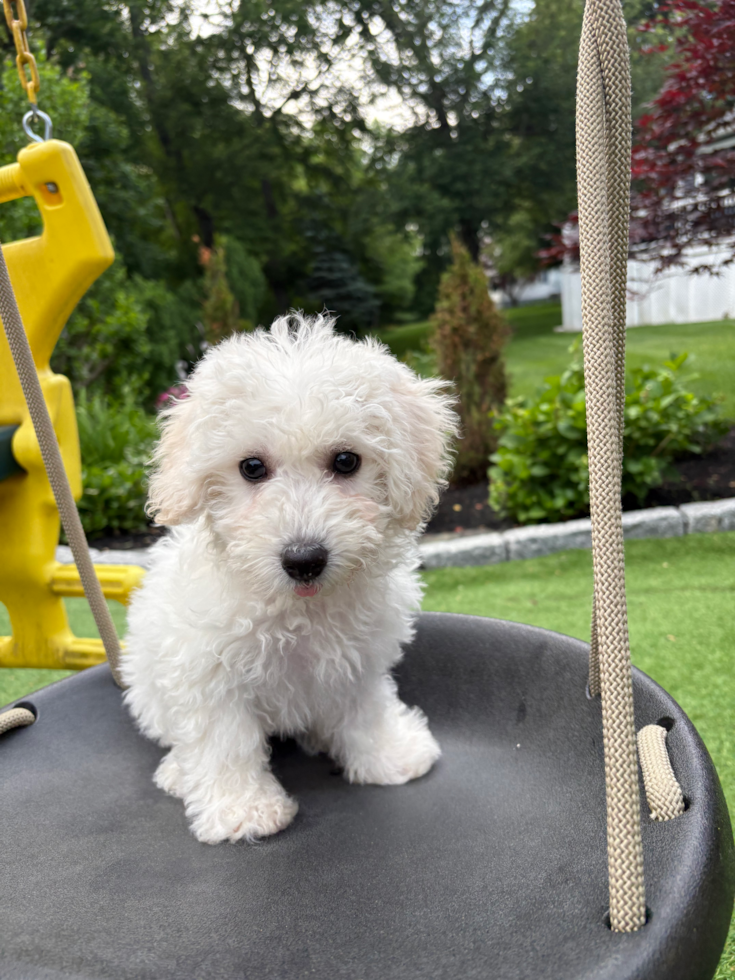
The Havachon has a cheerful, affectionate personality that places social interaction at the center of its everyday life. These dogs commonly enjoy familiar people and appreciate opportunities to participate in household activities. A Havachon may approach a family gathering with interest, greet someone it knows enthusiastically, or settle near the group once the excitement passes. Its friendly nature can create an especially pleasant atmosphere in homes where people spend a good deal of time together. The breed has an enjoyable balance of playfulness and affection that appeals to many companion-dog enthusiasts.
One attractive quality of the Havachon is its interest in social play. These dogs can be enthusiastic about gentle games, particularly when another person is involved and willing to participate. Their playful moments are commonly followed by periods of relaxation, which can make their daily routine comfortable for households with moderate activity levels. A Havachon may enjoy a familiar toy game as much as an opportunity to explore a new walking route. The pleasure of shared interaction is an important part of the breed's character.
Havachons are intelligent and capable of learning commands, tricks, and household routines through positive training. Their willingness to cooperate can make lessons enjoyable, especially when the owner uses praise, treats, and a calm approach. Some individuals show a sensitive response to tone, so harsh corrections can undermine confidence rather than improve behavior. Short, consistent lessons help establish expectations and give the dog opportunities to succeed. Their friendly nature should never be mistaken for an automatic understanding of good manners, since polite greetings and reliable habits still require practice.
The Havachon can suit a variety of households, from individuals and couples to families with respectful children. Many enjoy the company of other pets when introductions are handled thoughtfully and everyone has enough space. Their compact size makes them convenient indoor companions, but they still appreciate regular walks and opportunities to play. Approximately 30 to 45 minutes of daily activity provides a useful routine for many adults, with adjustments for the individual dog's interests and energy. Their adaptable personality makes them appealing to people who prefer enjoyable activities rather than demanding exercise schedules.
Companionship is especially important to the Havachon, and these dogs commonly prefer homes where they receive regular attention. They may follow family members through the house, settle near a favorite person, or show excitement when someone returns after a brief absence. This closeness is endearing, but independence should still be encouraged through gradual practice and comfortable resting routines. Some Havachons bark when unfamiliar sounds interrupt the household, particularly if they have learned that vocal behavior attracts attention. Early guidance helps develop calm habits and allows the dog's naturally friendly temperament to shine.
Havapoo vs Havachon Temperament Comparison
The Havapoo and Havachon have more temperament similarities than differences, which is worth remembering before choosing between them. Both enjoy people, appreciate affection, and can participate happily in family activities. The Havapoo may show a stronger interest in games that involve learning or problem-solving, while the Havachon can have a particularly social approach to play and companionship. However, neither breed is limited to one style of interaction, and individual dogs can show a broad combination of traits. The difference is most useful when you consider what kind of activities you enjoy sharing with your companion.
Training is one area where those preferences may appear. A Havapoo can enjoy the process of figuring out a new instruction, particularly when lessons are varied and positive. A Havachon may respond just as successfully but place greater value on familiar encouragement and the social enjoyment of the session. Both can learn household rules, polite greetings, and everyday commands, and neither should be described as difficult simply because it has an individual personality. The most successful training approach is one that respects the dog's motivation and uses clear, consistent expectations.
Their social behavior provides another interesting comparison, especially in households that receive frequent visitors. Havachons have a reputation for cheerful friendliness and can approach familiar guests with considerable enthusiasm. Havapoos can be equally welcoming, although some may show more curiosity about the unfamiliar activity before settling into an interaction. Both benefit from early social experiences and gentle guidance around greetings. A sociable personality is a wonderful advantage, but good manners still need to be taught.
Activity requirements are remarkably similar, and this makes the two breeds suitable for many of the same lifestyles. A Havapoo may enjoy a slightly greater variety of interactive games, while a Havachon may be especially content with familiar walks and social play. Neither requires a large yard, and both can enjoy apartment living when owners provide regular activity and companionship. A household with a moderate daily routine can satisfy either breed without committing to demanding exercise sessions. The more meaningful question is how much interaction the owner enjoys providing throughout the day.
For families with children, both breeds have appealing qualities, particularly their affectionate temperaments and interest in play. Their small size requires respectful handling, and interactions with younger children should always receive supervision. A Havapoo may enjoy games that involve learning and toys, while a Havachon can appreciate social play and shared activities. Both can also develop good relationships with other pets when introductions are appropriate. Individual confidence, early experiences, and household routines influence compatibility more than breed stereotypes.
For first-time owners, the Havapoo and Havachon are both approachable choices when expectations are realistic. A Havapoo may appeal to someone who enjoys teaching tricks and wants a companion with an active interest in interactive activities. A Havachon may feel particularly appealing to someone who values affectionate company, friendliness, and a comfortable balance between play and relaxation. Both require grooming, patient training, and a reliable daily routine. The better choice is the dog whose personality and individual needs suit the way its owner enjoys spending time.
Havapoo vs Havachon Conclusion
The Havapoo and Havachon are closely matched companions, and choosing between them requires more attention to their individual qualities than to dramatic breed differences.
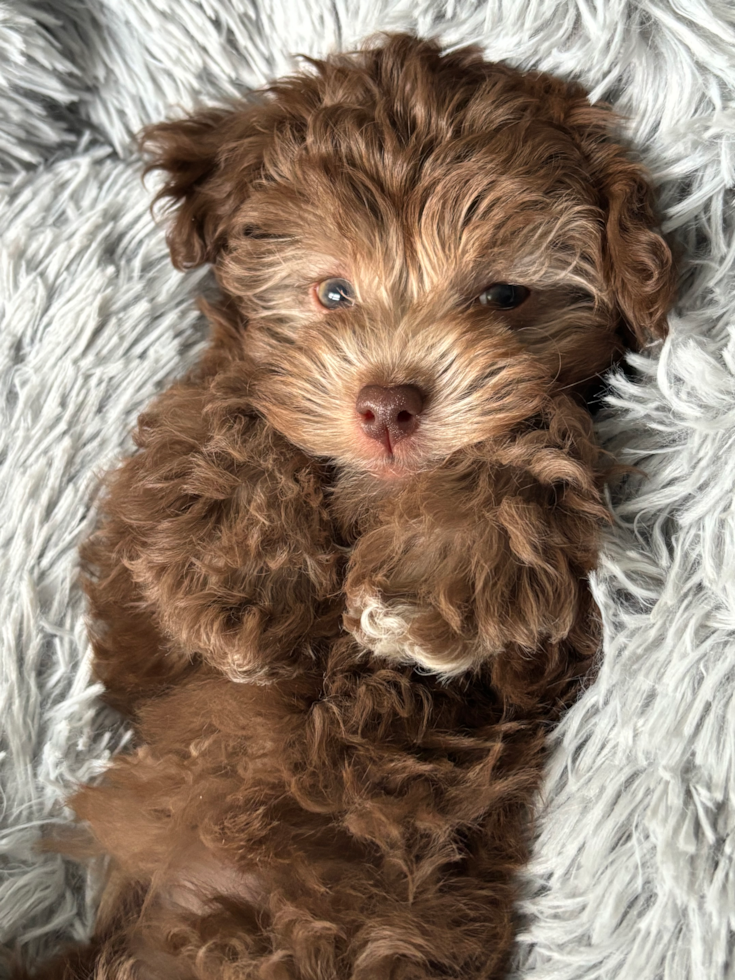
If you enjoy a dog with an affectionate nature, a curious personality, and an interest in learning new things, the Havapoo has plenty to offer. Its variety of coat textures and adult sizes can also appeal to people who appreciate the distinctive appearance of smaller Poodle mixes. A Havapoo may be especially rewarding for someone who enjoys little games, training activities, and regular interaction throughout the day.
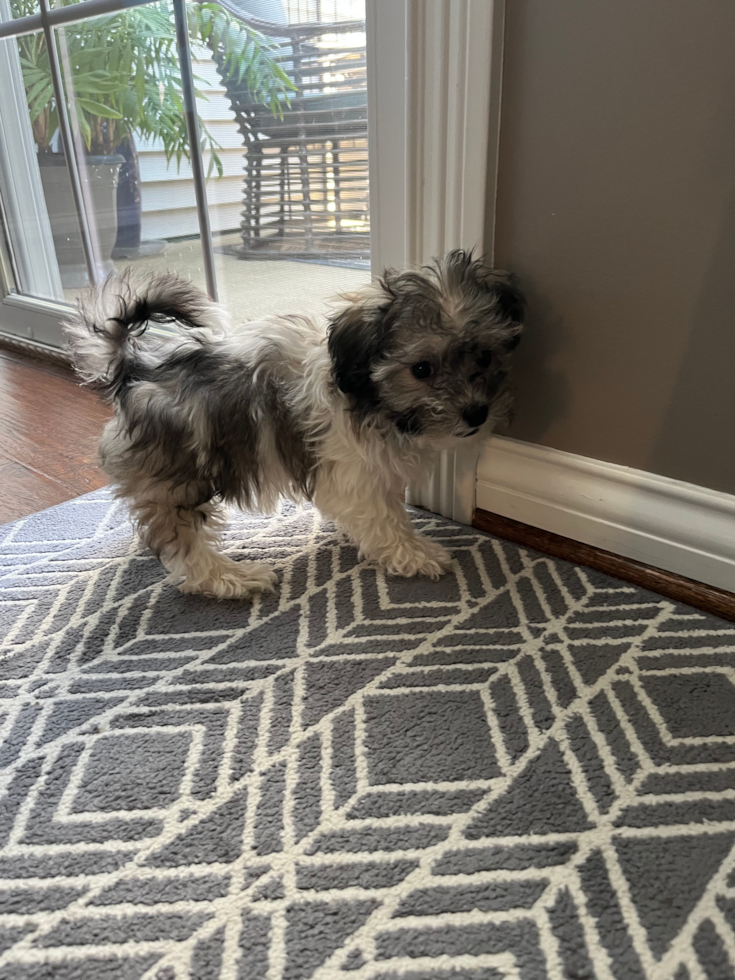
The Havachon offers a different kind of appeal through its cheerful, sociable personality and soft, plush appearance. It can be a wonderful choice for people who value affectionate companionship, familiar routines, and enjoyable activities that fit comfortably into everyday life. Its friendly nature can suit households where family members spend time together and appreciate a dog that wants to participate. The Havachon's coat requires regular care, but its rounded appearance and warm temperament have earned it a devoted following among small-dog enthusiasts.
The most useful way to make the decision is to think about the everyday relationship you want with your dog. A Havapoo may suit someone who enjoys affectionate companionship with a little extra curiosity and enthusiasm for interactive learning. A Havachon may appeal to someone who appreciates a cheerful, people-focused companion with a comfortable approach to play and relaxation. Both can offer years of enjoyable company, but the better match is the one whose individual personality, grooming needs, and daily habits fit naturally into your home.
Frequently Asked Questions
Are Havapoos and Havachons the same breed? Havapoos and Havachons are different companion crosses, although they share Havanese ancestry. The Havapoo combines the Havanese with a Toy or Miniature Poodle, while the Havachon combines the Havanese with a Bichon Frise. Both are small, affectionate dogs with similar exercise requirements and soft coats. However, their adult appearance and individual personalities can differ, particularly in coat texture, body proportions, and preferred activities. Their similarities make them closely matched companions, but they are not interchangeable breed names.
Is a Havapoo always more energetic than a Havachon? A Havapoo is not automatically more energetic than a Havachon, since individual personalities can vary considerably. Both breeds commonly need approximately 30 to 45 minutes of daily activity, with walks and play divided into manageable sessions. A Havapoo may show greater enthusiasm for interactive training or problem-solving games, but that does not necessarily mean it needs longer walks. A lively Havachon can enjoy plenty of activity, particularly when its favorite people participate. The better guide is the individual dog's interests rather than a fixed assumption about energy levels.
Can Havapoo and Havachon puppies look identical? Havapoo and Havachon puppies can look remarkably similar, particularly when both have soft, wavy coats and rounded faces. Their small bodies, dark eyes, dropped ears, and fluffy hair can make visual identification difficult. Coat texture may provide some clues as the dogs mature, but it is not a reliable way to identify every puppy. Some Havapoos have loose waves that resemble a Havachon coat, while some Havachons develop curls that look similar to a Havapoo's. Their parentage, rather than appearance alone, determines which cross they belong to.
Do Havapoos and Havachons change color as they grow? Color changes are possible in both breeds as their puppy coats develop into adult coats. Some puppies gradually lighten, while others retain much of their original shade or develop subtle changes in their markings. A dark puppy may have a softer or lighter adult coat, although the extent of the change varies. These changes are part of the natural variety found within small companion crosses and are not limited to one breed. Owners should appreciate the possibility that their adult dog's coloring may differ from its first puppy photographs.
Which breed is easier to train, the Havapoo or Havachon? Both breeds are intelligent and capable of learning commands, household rules, and enjoyable tricks. Havapoos can show particular enthusiasm for interactive lessons, especially when training includes variety and small challenges. Havachons are responsive learners too, and many appreciate praise, familiar routines, and positive encouragement. Neither breed should require harsh training methods, and consistency is more important than expecting every puppy to learn at the same pace. The easiest dog to train is commonly the one whose motivation the owner understands and uses effectively.
Are Havapoos and Havachons suitable for apartment living? Havapoos and Havachons can adapt comfortably to apartment living because of their small size and moderate exercise requirements. Neither breed requires a large yard, although both appreciate daily walks and opportunities for play. Owners should also provide activities that occupy the dog's attention during quieter periods indoors. Barking can occur in response to hallway sounds, visitors, or unfamiliar activity, so calm household habits are worth teaching early. A predictable routine and regular companionship are more important than the amount of indoor space available.
Can Havapoos and Havachons live with other dogs? Both breeds can develop friendly relationships with other dogs when introductions are handled appropriately. Their social personalities give them good potential for companionship, but individual confidence and play preferences still matter. A small dog may enjoy another dog's company without appreciating rough or overwhelming play. Supervised introductions and separate resting spaces can help establish a comfortable relationship between household pets. Either breed can fit into a multi-dog home when the dogs have compatible personalities and receive thoughtful guidance.
Which breed requires less grooming? Neither breed has a guaranteed advantage when it comes to grooming requirements. Havapoos with tight curls may need more detailed brushing, while Havachons with dense, fluffy coats can also require considerable attention. Coat length influences maintenance just as much as texture, particularly when owners prefer a fuller appearance. Regular brushing and professional appointments are important for both breeds, even when shedding is minimal. A shorter haircut can make the routine easier, but the individual dog's coat determines how much work is necessary.
Can Havapoos and Havachons stay home alone during the day? Both breeds appreciate human companionship and should gradually learn how to spend comfortable periods alone. Puppies need frequent attention and a predictable daily routine, so long absences require appropriate arrangements. Adult dogs can develop more independence through consistent practice, familiar resting spaces, and suitable activities. Owners who work long hours may need help from a family member or trusted pet-care professional. The important consideration is whether the dog's need for companionship and daily interaction can be met reliably.
Which breed is better for a first-time dog owner? Havapoos and Havachons can both be suitable for first-time owners who understand the responsibilities of a small companion dog. A Havapoo may appeal to someone who enjoys interactive training and wants a curious, affectionate dog that appreciates regular mental engagement. A Havachon may suit someone who values sociability, playful affection, and a comfortable daily routine. Both require consistent grooming, patient training, and opportunities to develop confidence around unfamiliar experiences. The best choice depends on the individual puppy and the type of companionship its future owner hopes to enjoy.