





Published Wednesday, November 18, 2026 by Fairfield Furbabies
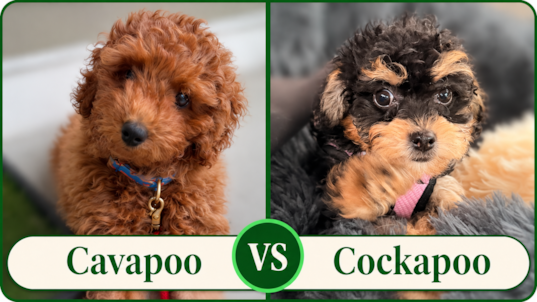
The Cavapoo and Cockapoo are two incredibly charming companion dogs with beautiful coats, affectionate personalities, and an enthusiasm for family life that makes them hard to resist. Both have those expressive eyes, floppy ears, and soft, cuddly appearances that dog lovers adore, but their similarities go much deeper than looks. They are intelligent, playful, devoted companions that enjoy spending time with their people, whether that involves an afternoon walk or a quiet evening at home. However, the Cavapoo vs Cockapoo comparison reveals some meaningful differences in size, energy, behavior, and the way each breed approaches everyday activities.
The Cavapoo has a gentle, cheerful nature and a wonderful balance between playfulness and relaxed companionship. The Cockapoo brings a little more exuberance to the relationship, with a curious, outgoing personality and an enthusiasm for games and exploration that can make daily life particularly entertaining. Both can develop close relationships with children, adults, and other household pets, although their personalities and activity needs deserve careful consideration. Understanding these differences can help you decide whether the Cavapoo's affectionate, adaptable nature or the Cockapoo's lively, engaging character feels more natural for your home.
Table of Contents
Cavapoo vs Cockapoo Comparison Table
The Cavapoo and Cockapoo share several appealing qualities, including affectionate personalities, beautiful coats, and a strong interest in human companionship. Their differences are most noticeable in adult size, activity preferences, and the amount of stimulation they may seek throughout the day. These characteristics can influence everything from household routines to training and grooming commitments. The table below offers a quick comparison before we explore each breed in greater detail.
| Characteristic | Cavapoo | Cockapoo |
| Parent Breeds | Cavalier King Charles Spaniel and Toy or Miniature Poodle | Cocker Spaniel and Toy or Miniature Poodle |
| Other Names | Cavoodle, Cavapoodle, Cavalier Poodle Mix | Cockerpoo, Cockapoodle, Cocker Spaniel Poodle Mix |
| Adult Weight | Approximately 8–20 pounds | Approximately 12–25 pounds |
| Adult Height | Approximately 9–14 inches | Approximately 10–15 inches |
| Coat Type | Soft, wavy, curly, or occasionally straighter | Soft, wavy, curly, or loosely textured with spaniel-like feathering |
| Hypoallergenic Qualities | Low-shedding potential; no hypoallergenic guarantee | Low-shedding potential; no hypoallergenic guarantee |
| Grooming Needs | Moderate to high; frequent brushing and regular professional grooming | Moderate to high; frequent brushing, coat maintenance, and regular professional grooming |
| Exercise Needs | Approximately 30–60 minutes daily | Approximately 40–60 minutes daily |
| Training | Intelligent, responsive, affectionate, and enthusiastic about reward-based lessons | Intelligent, eager, energetic, and responsive to interactive training |
| Colors | Cream, apricot, red, gold, chocolate, brown, black, white, and multicolored combinations | Cream, apricot, red, black, chocolate, brown, gold, sable, and multicolored combinations |
| Temperament | Affectionate, cheerful, sociable, playful, gentle, and attentive | Affectionate, outgoing, curious, energetic, playful, and intelligent |
| Best Fit | Families and individuals who enjoy an affectionate, interactive companion with a comfortable balance between activity and relaxation | Families and individuals who enjoy an enthusiastic companion that participates in games, training, and regular outdoor activities |
Adult measurements are approximate because neither mix has a standardized size. Exercise estimates describe adult dogs and should be adjusted according to age, individual energy, and daily routines.
Cavapoo vs Cockapoo Overview
The Cavapoo and Cockapoo are two familiar names among modern companion mixes, although their histories and development are not identical. Both have attracted considerable interest through their affectionate personalities, attractive coats, and ability to fit into many different household environments. The Cockapoo has a longer documented presence among intentional crossbreeds, while the Cavapoo gained recognition more recently as interest in smaller companion dogs expanded. Each has developed its own identity, and understanding that history provides an interesting introduction to the qualities dog lovers appreciate in them today.
Cavapoo History and Popularity
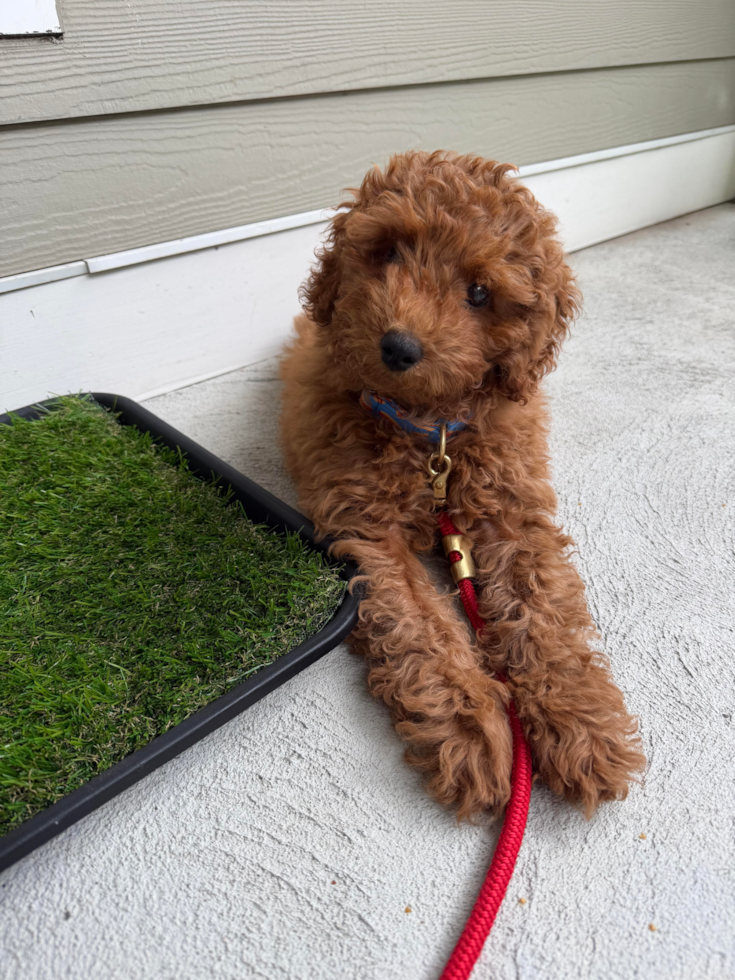
The Cavapoo is a companion dog developed through the combination of the Cavalier King Charles Spaniel and the Poodle, most commonly the Toy or Miniature variety. The mix gained attention during the late twentieth century, particularly in Australia, where it is widely known as the Cavoodle. Its development reflected growing interest in small, affectionate companions with appealing coats and personalities that could adapt comfortably to everyday family life. Although the Cavapoo does not have a universally accepted breed standard, it has established a recognizable identity through its gentle disposition, playful intelligence, and expressive appearance. These qualities have helped make it a familiar choice among people who appreciate small companion dogs with affectionate personalities.
The Cavapoo's appeal extends well beyond its adorable teddy bear appearance because its personality offers a particularly enjoyable balance between companionship and playfulness. Many Cavapoos show a strong interest in human interaction and enjoy opportunities to participate in daily routines, whether that involves walks, games, or simply spending time near their favorite people. Their intelligence adds another attractive quality, particularly for owners who enjoy teaching tricks or introducing activities that encourage curiosity and cooperation. At the same time, many appreciate periods of relaxation and can settle comfortably into a quieter household routine after an enjoyable day. This balance has contributed to the Cavapoo's popularity among families, couples, singles, and first-time dog owners.
The Cavapoo has also attracted attention for its variety of coat colors, soft textures, and manageable size. Some develop dense curls and a rounded appearance, while others have loose waves, longer ears, and a more delicate outline. Their personalities can also differ, with some showing greater enthusiasm for activity and others displaying a particularly gentle, affectionate disposition. Although the breed has a recognizable reputation, individual Cavapoos do not all share identical characteristics. The most appealing quality of the Cavapoo is the relationship it can offer, particularly for someone who enjoys a dog that combines affection, curiosity, and a comfortable place within family life.
Cockapoo History and Popularity

The Cockapoo is one of the earliest modern companion crosses, with a history that reaches back to the United States during the 1950s. By the 1960s, Cockapoos had already attracted a following among people who appreciated their friendly personalities, intelligence, and soft coats. The breed developed through the combination of the Cocker Spaniel and Poodle, although the specific type of Cocker Spaniel and the size of the Poodle can vary between breeding lines. This variety has contributed to differences in appearance, size, and activity level, and the Cockapoo does not have one universally accepted breed standard. Despite that flexibility, it has maintained a recognizable identity as an affectionate, cheerful companion with a lively interest in the world around it.
The Cockapoo's enduring appeal comes from its outgoing personality and the enthusiastic way many participate in family activities. These dogs can show genuine excitement for walks, games, and opportunities to explore unfamiliar places, which makes them entertaining companions for people who enjoy an active relationship with their pets. Their intelligence and responsiveness have also contributed to their reputation as enjoyable dogs to train, particularly when lessons involve rewards, variety, and meaningful interaction. Although Cockapoos can be playful and energetic, many also appreciate close physical companionship and comfortable time at home with their families. This combination of enthusiasm and affection has helped the breed attract admirers across several generations.
The Cockapoo has developed a broad following among families, active individuals, and people who appreciate a small dog with an expressive personality. Its appearance can vary considerably, from petite individuals with tight curls to somewhat larger dogs with longer legs, flowing ears, and soft waves. Temperament can also differ because some Cockapoos have a particularly lively approach to daily activities, while others show a calmer and more relaxed disposition. The breed's long history has not eliminated this variety, and prospective owners should appreciate that Cockapoos can have different activity needs and behavioral preferences. What gives the Cockapoo its lasting appeal is its enthusiastic companionship and the wonderful personality that many bring into everyday family life.
Cavapoo vs Cockapoo Appearance
The Cavapoo and Cockapoo share several physical characteristics, particularly their soft coats, expressive eyes, and hanging ears that create their familiar teddy bear appearance. Their adult sizes overlap, and dogs with similar coat textures can look remarkably alike, especially after a rounded haircut. However, differences in body proportions, facial features, coat texture, and overall build can create noticeably different appearances. These characteristics are worth exploring because they influence personal preferences and the grooming routines owners can expect throughout their dog's life.
Cavapoo Appearance
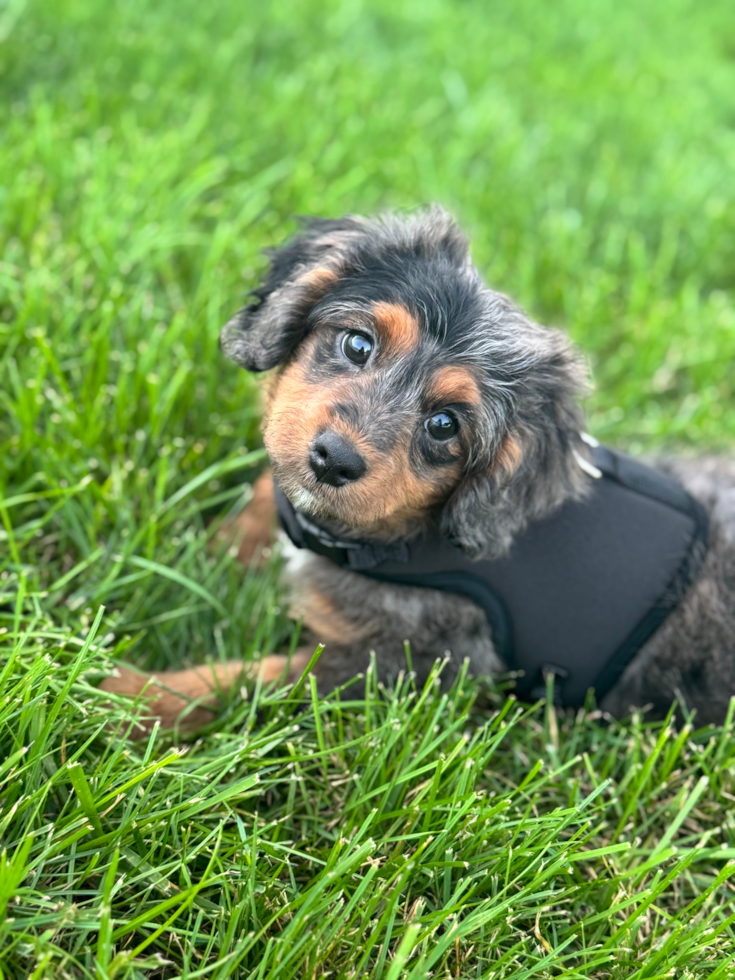
The Cavapoo is a small, attractive dog with a soft outline and a body that can appear delicate, compact, or slightly athletic depending on its individual proportions. Adults commonly weigh approximately 8 to 20 pounds and stand around 9 to 14 inches tall at the shoulder, although some individuals may fall outside these estimates. Their bodies tend to appear balanced, with moderate legs, a gently rounded head, and an elegant overall shape that complements their cheerful personality. Some Cavapoos develop a particularly petite appearance, while others have a sturdier frame and slightly longer legs. Beneath their fluffy coats, many have a refined outline that gives them a graceful appearance without taking away from their adorable companion-dog charm.
The Cavapoo's coat is one of its most distinctive features, with textures that range from loose, flowing waves to tighter curls and occasionally straighter, silkier hair. A curlier coat can create a rounded, plush appearance, particularly around the head and muzzle, while softer waves may fall naturally along the body and ears. Colors are wonderfully varied and include cream, apricot, red, gold, chocolate, brown, black, and white, along with attractive combinations of several shades. Some Cavapoos have nearly solid-colored coats, while others display contrasting markings around the chest, face, or paws that create a distinctive appearance. Coat colors can also change as the dog matures, particularly in individuals whose rich puppy shades gradually soften with age.
Cavapoos tend to have expressive eyes, gentle facial features, and hanging ears that frame the face beneath soft, flowing hair. Their muzzles are typically moderate in length, although head shape and facial proportions can differ considerably between individuals. Some have a rounder face with full cheeks and a plush muzzle, while others display a more defined outline with longer ears and softer waves around the face. A short teddy bear haircut can emphasize the eyes and rounded features, while a longer style creates a more flowing appearance that highlights the natural coat texture. These differences contribute to the breed's visual variety, even among Cavapoos with similar adult sizes and coloring.
Grooming is an important part of Cavapoo ownership because curly and wavy coats can develop tangles around the ears, legs, chest, and areas where collars or harnesses create friction. Dense curls may need daily attention, particularly when the coat is kept long, while softer waves can sometimes be easier to maintain with regular brushing and thorough combing. Professional grooming every six to eight weeks is a common routine, although the ideal schedule depends on coat length, texture, and the owner's preferred style. Some Cavapoos shed very little, while individuals with straighter coats may release more visible hair around the home. Their beautiful appearance is certainly part of their appeal, but owners should be prepared for a consistent grooming commitment throughout the dog's life.
Cockapoo Appearance
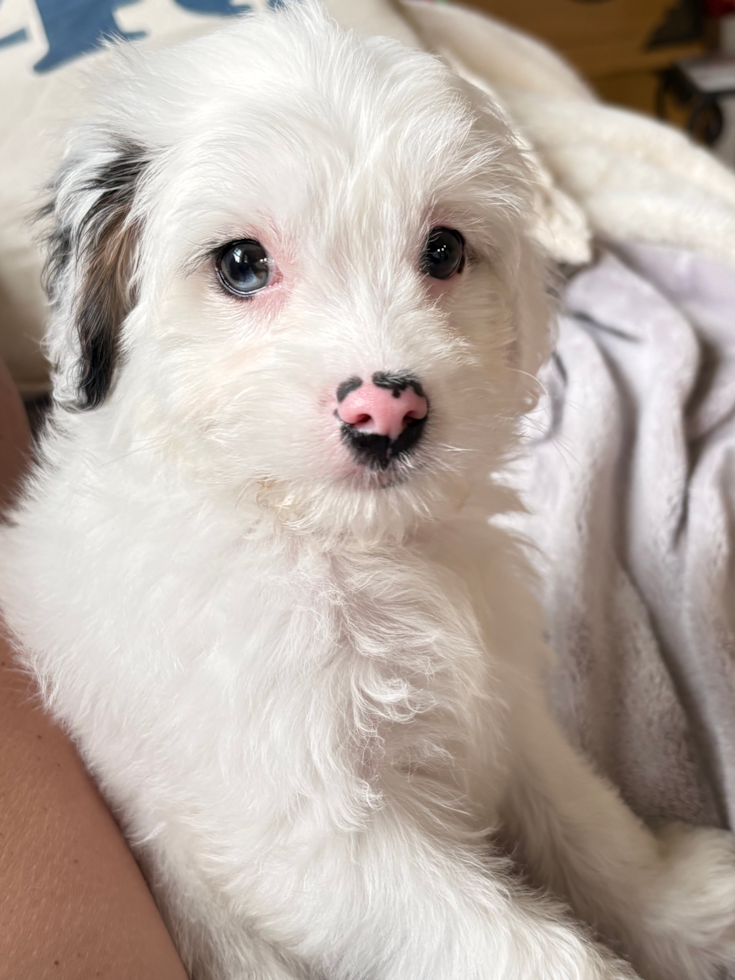
The Cockapoo has an attractive, expressive appearance that can range from compact and curly-coated to slightly taller with a flowing coat and longer body proportions. Adult Cockapoos commonly weigh approximately 12 to 25 pounds and stand around 10 to 15 inches tall, although dogs from different breeding backgrounds can fall outside these ranges. Their bodies tend to appear well-balanced, with moderate legs, a relatively sturdy frame, and enough physical substance to create an athletic appearance beneath the coat. Some Cockapoos have a broader chest and longer body than the typical petite Cavapoo, while others develop a lighter, more delicate outline. The variety in size and build gives Cockapoos a broad range of appearances, even among dogs with similar coat colors.
The Cockapoo's coat can be beautifully soft, with textures that range from loose waves to dense curls and, in some individuals, longer hair with a more flowing appearance. Some have a fluffy coat that stands away from the body, while others develop waves that fall naturally around the ears, chest, and legs. Coat colors include cream, apricot, red, gold, chocolate, brown, black, and white, along with sable shades and attractive multicolored patterns. Some Cockapoos have contrasting patches on the chest or face, while others display rich solid coloring that gives the coat a particularly striking appearance. Their coloring may also change as the adult coat develops, so a puppy's early shade does not always reflect its final appearance.
One of the Cockapoo's most recognizable features is its expressive face, which can include large eyes, a gently rounded forehead, and hanging ears covered in soft waves or curls. Some individuals have a slightly longer muzzle and more defined facial proportions, while others develop a rounder head and a plush appearance that resembles a teddy bear. Their ears can carry generous feathering, particularly when the coat is kept longer, which adds an elegant touch to their overall appearance. A Cockapoo with a shorter haircut may reveal a more athletic outline, while a longer coat creates a softer, fuller silhouette. These variations contribute to the breed's charm and make appearance less predictable than a single familiar image might suggest.
Cockapoo grooming requires consistent attention because its coat can develop mats around the ears, neck, legs, and underside if brushing is neglected. Curly coats may need daily combing, while looser waves can sometimes be maintained with frequent brushing and professional trims. Many owners choose a shorter pet haircut because it keeps the coat manageable while preserving the soft appearance that makes Cockapoos so appealing. Shedding varies between individuals, with some releasing very little loose hair and others displaying more noticeable shedding, particularly when their coats have a straighter texture. Regular grooming should be considered an essential part of Cockapoo ownership, regardless of whether the dog has a loose, wavy coat or tighter curls.
Cavapoo vs Cockapoo Appearance Comparison
The Cavapoo and Cockapoo can look remarkably similar when they have comparable coat textures, coloring, and haircuts, but differences in body proportions can help distinguish them. Cavapoos tend to have a smaller overall frame, with a compact build and gentle facial features that contribute to their familiar teddy bear appearance. Cockapoos can develop somewhat greater height, body weight, and physical substance, particularly when their breeding background includes larger spaniel or Poodle varieties. Their ears may also appear longer or more heavily feathered, although this characteristic varies considerably between individual dogs. Adult size alone cannot identify the breed, but the Cockapoo has a slightly greater tendency toward a larger, more athletic outline.
Facial features offer another interesting comparison because Cavapoos can have a particularly soft, rounded expression, while Cockapoos may display a more pronounced muzzle and a slightly broader head. However, coat texture and grooming styles can dramatically change how either dog appears, especially when the hair around the cheeks and muzzle is trimmed into a rounded shape. A curly Cockapoo can look almost identical to a Cavapoo with a similar haircut, while a loose-waved Cavapoo may strongly resemble a Cockapoo with longer ears. Coat colors also overlap considerably, so cream, red, apricot, or chocolate coloring does not reliably distinguish one breed from the other. Their visual differences are best appreciated through overall proportions and individual features rather than one specific characteristic.
Grooming requirements are substantial for both breeds, and the amount of work depends more on the individual coat than on the breed name. Cavapoos with dense curls may need frequent brushing to prevent mats close to the skin, while Cockapoos with longer, flowing coats can develop tangles around the ears, legs, and chest. Both can have low-shedding coats, although neither breed has a guaranteed shedding level or texture. Professional grooming and regular home maintenance are important regardless of which appearance appeals more. Owners who love the fluffy teddy bear look should be comfortable with the time and attention required to maintain it throughout the year.
Cavapoo vs Cockapoo Temperament
The Cavapoo and Cockapoo are both affectionate, intelligent dogs that enjoy close relationships with their families, but their personalities can create different experiences for owners. The Cavapoo is associated with a gentle, sociable temperament and a comfortable balance between playfulness and relaxation. The Cockapoo can bring greater enthusiasm for exploration, games, and activities that encourage its curious nature. These tendencies are not fixed rules, but they offer useful guidance for understanding how each breed may approach everyday life.
Cavapoo Temperament

The Cavapoo has an affectionate, cheerful personality that makes it a delightful companion for people who enjoy a close relationship with their dog. Many Cavapoos take a genuine interest in household activities and seek opportunities to participate, whether that involves a neighborhood walk, a playful game, or simply spending time near family members. Their gentle nature can create a comfortable presence within the home, particularly for owners who appreciate a dog that enjoys companionship without constant excitement. A Cavapoo may happily follow someone from room to room, settle nearby during a quiet afternoon, and then show immediate enthusiasm when a favorite toy appears. This balance between affection, curiosity, and playfulness is one of the breed's greatest attractions.
Cavapoos enjoy daily activity and tend to respond well to routines that combine walks, playtime, and opportunities to use their minds. Approximately 30 to 60 minutes of activity can serve as a reasonable starting point for an adult, although individual energy levels influence the ideal amount. Short games of fetch, gentle exploration, puzzle toys, and interactive activities can provide variety without requiring extensive outdoor space. Their intelligence means some Cavapoos appreciate additional mental challenges, particularly during adolescence when curiosity and enthusiasm can be especially noticeable. At home, a Cavapoo that receives enough attention and appropriate activity can settle comfortably, which makes the breed appealing to people who enjoy a balance between play and relaxation.
Training is one of the Cavapoo's attractive qualities because many individuals enjoy the attention and rewards associated with learning new skills. Positive reinforcement, clear expectations, and enjoyable lessons can help establish reliable household manners while strengthening the relationship between dog and owner. Basic obedience, recall, polite leash behavior, and simple tricks provide useful opportunities to develop confidence and cooperation. House training requires patience and consistency during puppyhood, when frequent bathroom breaks and dependable routines help establish good habits. Cavapoos can learn quickly, but their intelligence does not eliminate the need for regular practice, appropriate boundaries, and continued guidance as they mature.
The Cavapoo's affectionate nature makes social interaction an important part of its everyday life, particularly because many develop close attachments to their families. Early exposure to different people, environments, and ordinary household experiences can help puppies develop confidence and comfortable social habits. Cavapoos can enjoy life with children and other pets when introductions are appropriate and interactions respect the dog's individual comfort and small size. Their attachment to people also makes gradual independence training valuable, since puppies need opportunities to learn that short periods alone are normal. With thoughtful socialization, consistent routines, and enough daily interaction, a Cavapoo can adapt beautifully to family homes, apartments, and a variety of lifestyles.
Cockapoo Temperament
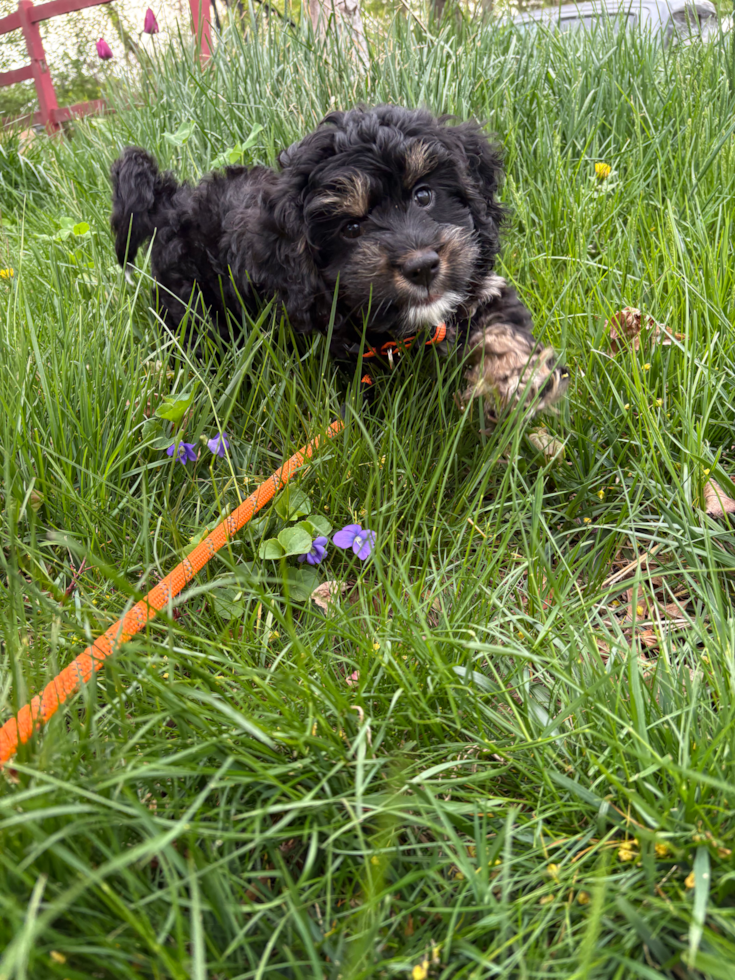
The Cockapoo has an outgoing, affectionate personality that can make it an especially entertaining companion for people who enjoy an active relationship with their dogs. Many show genuine enthusiasm for daily activities and appreciate opportunities to explore, play, and interact with their families. Their cheerful disposition can create a lively presence in the home, particularly during puppyhood when curiosity encourages them to investigate toys, sounds, and new experiences. A Cockapoo may eagerly greet family members, bring a favorite toy to initiate a game, or show immediate excitement at the prospect of a walk. This enthusiasm is part of the breed's charm and can make everyday activities feel like enjoyable shared experiences.
Cockapoos tend to appreciate regular exercise and mental stimulation, particularly when they have an energetic personality and a strong interest in exploration. Approximately 40 to 60 minutes of daily activity can serve as a reasonable starting point for many adults, although individual dogs may enjoy longer outings or additional play. Walks, games of fetch, scent-based activities, and interactive toys provide useful opportunities to channel their curiosity and enthusiasm. Some Cockapoos develop a strong interest in unfamiliar smells and moving objects, which can make walks particularly entertaining but may also require patient leash training. A varied routine that offers enjoyable experiences can help satisfy their curiosity and encourage comfortable behavior at home.
Training can be particularly rewarding with a Cockapoo because many are intelligent, attentive, and enthusiastic about activities that involve cooperation with their owners. Positive reinforcement, clear instructions, and meaningful rewards can help develop reliable manners while preserving the dog's playful personality. Their curiosity can make new lessons especially engaging, although some Cockapoos may become distracted when an interesting smell, sound, or movement captures their attention. House training benefits from consistent routines and regular opportunities for success, while recall and leash manners deserve continued practice as the puppy develops greater confidence. Owners who enjoy teaching tricks, exploring new activities, and encouraging learning may find the Cockapoo's enthusiastic approach particularly enjoyable.
Cockapoos can develop wonderful relationships with children and other household pets, particularly when they receive positive social experiences and appropriate guidance from an early age. Their playful personalities can make them entertaining companions for older children who enjoy games, walks, and interactive activities. Some individuals may have greater enthusiasm for chasing moving toys or investigating their surroundings, so calm introductions and consistent training are important around other animals. Their strong attachment to family members also creates a need for gradual independence training, since constant companionship during puppyhood can make later separation more difficult. With appropriate socialization, daily activity, and clear household routines, a Cockapoo can adapt successfully to many different family environments.
Cavapoo vs Cockapoo Temperament Comparison
The biggest difference between the Cavapoo and Cockapoo is the way their personalities may influence the pace of everyday life. Cavapoos tend to enjoy a comfortable balance between interactive activities and quiet companionship, which can make them especially appealing to owners who appreciate a gentler daily rhythm. Cockapoos may show greater enthusiasm for exploration, games, and activities that provide opportunities to investigate their surroundings. Neither breed should be considered completely relaxed or excessively energetic, and individual personalities can challenge these general expectations. The distinction becomes most useful when owners consider how much time they want to devote to interactive activities and what kind of daily routine they enjoy.
Training offers another interesting comparison because both breeds are intelligent and capable of learning household manners, commands, and enjoyable tricks. Cavapoos may show a particularly cooperative approach to lessons, with a strong interest in praise and rewards that encourages close interaction with their owners. Cockapoos can be equally responsive, although their enthusiasm for exploration may introduce additional distractions during outdoor training. Both benefit from positive reinforcement, consistency, and opportunities to practice desirable behaviors in different environments. First-time owners can succeed with either breed, but someone who enjoys more varied activities and interactive challenges may particularly appreciate the Cockapoo's enthusiastic personality.
Apartment living can work well for both breeds when their daily needs receive appropriate attention, although the Cavapoo may have a slight advantage for quieter households. Many Cavapoos appreciate moderate activity and can settle comfortably indoors once their needs for exercise and interaction have been met. Cockapoos can also enjoy apartment life, but some require more structured walks, games, and mental stimulation to satisfy their curiosity. Both breeds can bark in response to visitors, unfamiliar noises, or exciting activity outside the home, so calm socialization and consistent household routines are important. The amount of indoor space matters less than whether the dog receives enough attention, appropriate exercise, and opportunities to relax.
Families with children may appreciate the Cavapoo's gentle, affectionate nature and its willingness to participate in games that involve toys, simple commands, and interactive attention. Cockapoos can also be wonderful family companions, particularly in households where children enjoy outdoor activities and playful interaction with their pets. Both require supervision around young children because rough handling and excessive excitement can create uncomfortable situations for a small dog. Their compatibility with cats and other dogs depends on individual temperament, social experiences, and the quality of introductions rather than a guaranteed breed characteristic. The most successful match is one where the dog's energy, social needs, and personality complement the family's actual lifestyle.
Cavapoo vs Cockapoo Conclusion
Choosing between a Cavapoo and Cockapoo comes down to the kind of companionship that feels most natural to your daily life.
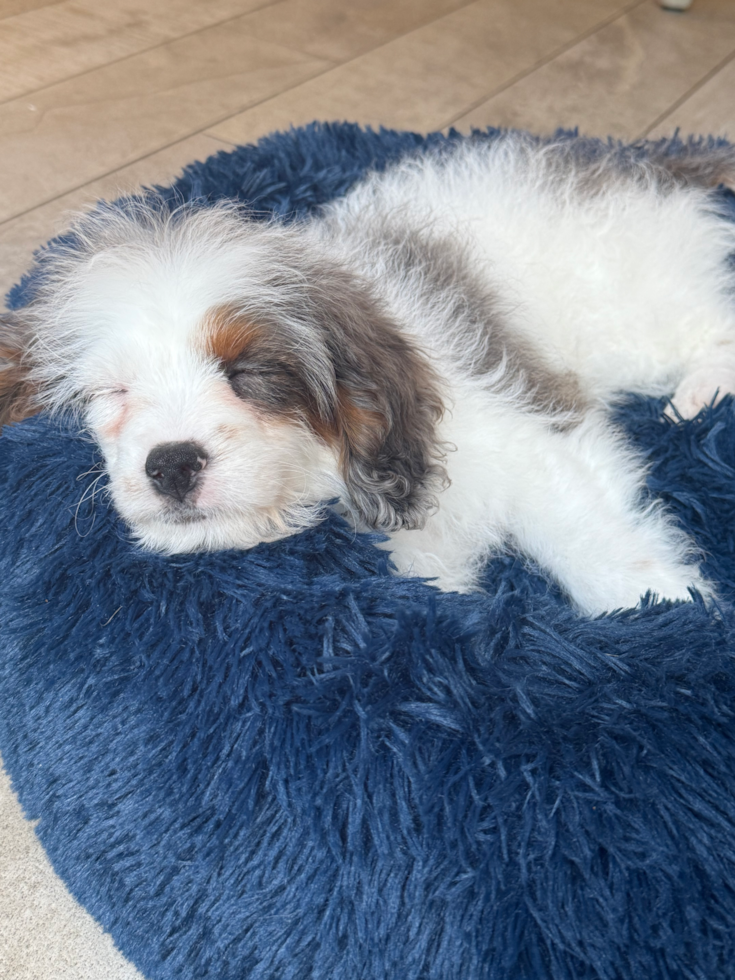
The Cavapoo may be the more appealing choice if you enjoy an affectionate, intelligent little dog that participates happily in family activities but also appreciates quieter moments at home. Its gentle personality and adaptable nature can create a particularly comfortable relationship for someone who values close companionship with moderate activity needs.
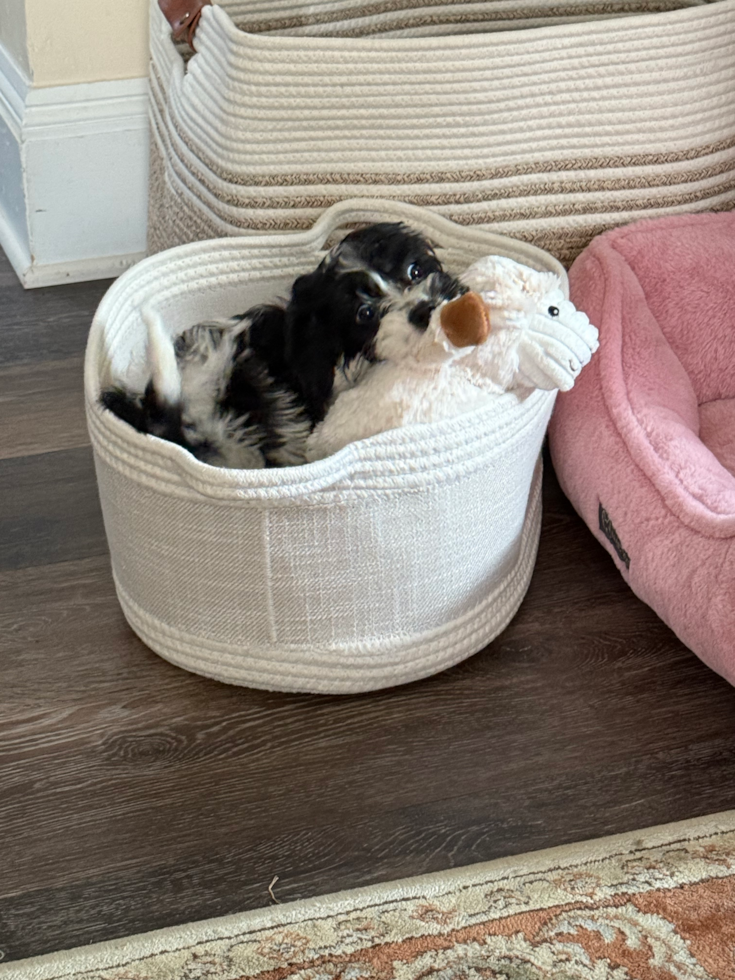
The Cockapoo may feel like a better match if you enjoy a cheerful, enthusiastic dog that takes an active interest in games, walks, training, and exploration. Both can offer wonderful affection and companionship, although their individual personalities deserve just as much consideration as their general breed characteristics.
Appearance and grooming can also influence the decision, particularly for owners who have a preference for certain coat textures, colors, or body proportions. Cavapoos tend to have a smaller overall frame and a soft teddy bear appearance, while Cockapoos may develop greater height, longer ears, and a somewhat more athletic outline. Both can have beautiful low-shedding coats, but regular brushing and professional grooming are important regardless of which breed appeals more. Families with children, apartment dwellers, and first-time owners can find a suitable companion in either breed when they understand the dog's activity level and everyday needs. The most meaningful differences appear in the way each dog approaches interaction, exploration, and the rhythm of household life.
There is something especially rewarding about finding a companion whose personality complements the way you already enjoy spending your time. A Cavapoo can bring gentle affection and playful curiosity to a household that appreciates a comfortable balance between activity and relaxation, while a Cockapoo can add enthusiasm and entertaining energy to a family that enjoys shared adventures. Neither breed needs to fit a perfect description to create a wonderful relationship, because every puppy develops its own personality through genetics, social experiences, and daily interaction. What matters most is choosing a companion whose energy, temperament, and social needs align with the attention and affection you can provide. With the right match, either a Cavapoo or Cockapoo can bring years of friendship, laughter, and those little everyday moments that make sharing your life with a dog so special.
Frequently Asked Questions
What is the main difference between a Cavapoo and a Cockapoo? The main difference between a Cavapoo and a Cockapoo is their typical energy level and approach to everyday activities. Cavapoos tend to have a gentle, affectionate personality and enjoy a comfortable balance between playtime and relaxation. Cockapoos may show greater enthusiasm for exploration, interactive games, and activities that challenge their curiosity. Both are loving companion dogs, but the Cavapoo may appeal more to someone who prefers a quieter daily routine, while the Cockapoo can suit an owner who enjoys more active participation.
Which is bigger, a Cavapoo or a Cockapoo? Cockapoos tend to have a slightly larger adult size range, although the two breeds overlap considerably in both height and weight. Cavapoos commonly weigh approximately 8 to 20 pounds and stand around 9 to 14 inches tall, while Cockapoos typically weigh about 12 to 25 pounds and stand around 10 to 15 inches. Individual measurements depend on genetics and development, so some Cavapoos can be larger than particular Cockapoos. Breed labels provide a useful general estimate, but they cannot predict exact adult size.
Which is calmer, a Cavapoo or a Cockapoo? The Cavapoo may have a slight advantage for people who prefer a calmer household routine because many enjoy moderate activity and relaxed companionship. Cockapoos can be equally affectionate and capable of settling indoors, although some show greater enthusiasm for games, walks, and exploration. Individual temperament can reverse these expectations, especially during puppyhood when both breeds may display considerable energy. Owners should consider the personality of the individual dog rather than assume one breed will always be calmer.
Which needs more exercise, a Cavapoo or a Cockapoo? Cockapoos may have somewhat higher exercise needs, particularly when they have an energetic personality and a strong interest in outdoor activities. Many adult Cockapoos enjoy approximately 40 to 60 minutes of daily exercise, while Cavapoos may be comfortable with around 30 to 60 minutes of walks and play. These estimates vary between individuals, and both breeds benefit from opportunities for mental stimulation alongside physical activity. Owners who enjoy regular outdoor adventures may particularly appreciate the Cockapoo, while the Cavapoo can suit a somewhat more relaxed exercise routine.
Is a Cavapoo or a Cockapoo easier to train? Both Cavapoos and Cockapoos are intelligent dogs that can learn household manners, obedience commands, and enjoyable tricks through positive, consistent training. Cavapoos may show a particularly cooperative approach to lessons, with strong responsiveness to praise and rewards. Cockapoos can be equally enthusiastic learners, although some may become distracted by interesting smells, sounds, or activity around them. First-time owners can succeed with either breed when they establish clear expectations and maintain patient, consistent routines.
Which sheds less, a Cavapoo or a Cockapoo? Both breeds can have low-shedding coats, and neither has a guaranteed advantage over the other. Cavapoos with dense curls may release very little visible hair, while Cockapoos with similar coat textures can also shed minimally. Straighter or silkier coats may release more loose hair regardless of which breed the dog belongs to. Regular grooming helps manage shedding and tangles, but individual coat characteristics are more important than the breed name alone.
Which needs more grooming, a Cavapoo or a Cockapoo? Cavapoos and Cockapoos both require regular brushing and professional grooming, particularly when they have dense, curly coats. Cavapoos may develop tight curls that require careful combing, while Cockapoos with longer, flowing hair can experience tangles around the ears, legs, and chest. Shorter pet trims can make coat maintenance easier, but they do not eliminate the need for regular brushing. Neither breed should be considered low maintenance when it comes to grooming, and the amount of work depends primarily on coat length and texture.
Are Cavapoos and Cockapoos good with children and other pets? Both breeds can develop wonderful relationships with children and other household pets when they receive appropriate socialization and gentle introductions. Cavapoos may particularly appeal to families that enjoy affectionate companionship and moderate play, while Cockapoos can be entertaining partners for older children who appreciate interactive games and outdoor activities. Their small size means children should learn to handle them respectfully and recognize when a dog needs personal space. Compatibility with cats and other dogs depends on individual personalities, previous experiences, and the quality of introductions rather than breed expectations alone.
Are Cavapoos or Cockapoos better for apartment living? Cavapoos and Cockapoos can both adapt to apartment living when their daily exercise, social, and mental stimulation needs receive appropriate attention. The Cavapoo may be particularly comfortable in quieter households because many enjoy moderate activity and relaxed periods indoors. Cockapoos can also live happily in apartments, although some need additional walks, interactive games, and opportunities to explore their surroundings. Training around barking, comfortable periods alone, and calm indoor behavior is important for both breeds, particularly in homes with close neighbors.
Are Cavapoos or Cockapoos better for first-time dog owners? Both Cavapoos and Cockapoos can make wonderful companions for first-time dog owners who are prepared to provide consistent training, grooming, and daily attention. Cavapoos may offer a slightly more approachable experience for someone who prefers a gentle, affectionate companion with moderate activity needs. Cockapoos can be equally rewarding, particularly for owners who enjoy regular walks, interactive games, and the opportunity to teach new skills. The best choice depends on the owner's lifestyle, expectations, and willingness to meet the individual dog's needs rather than previous experience alone.